
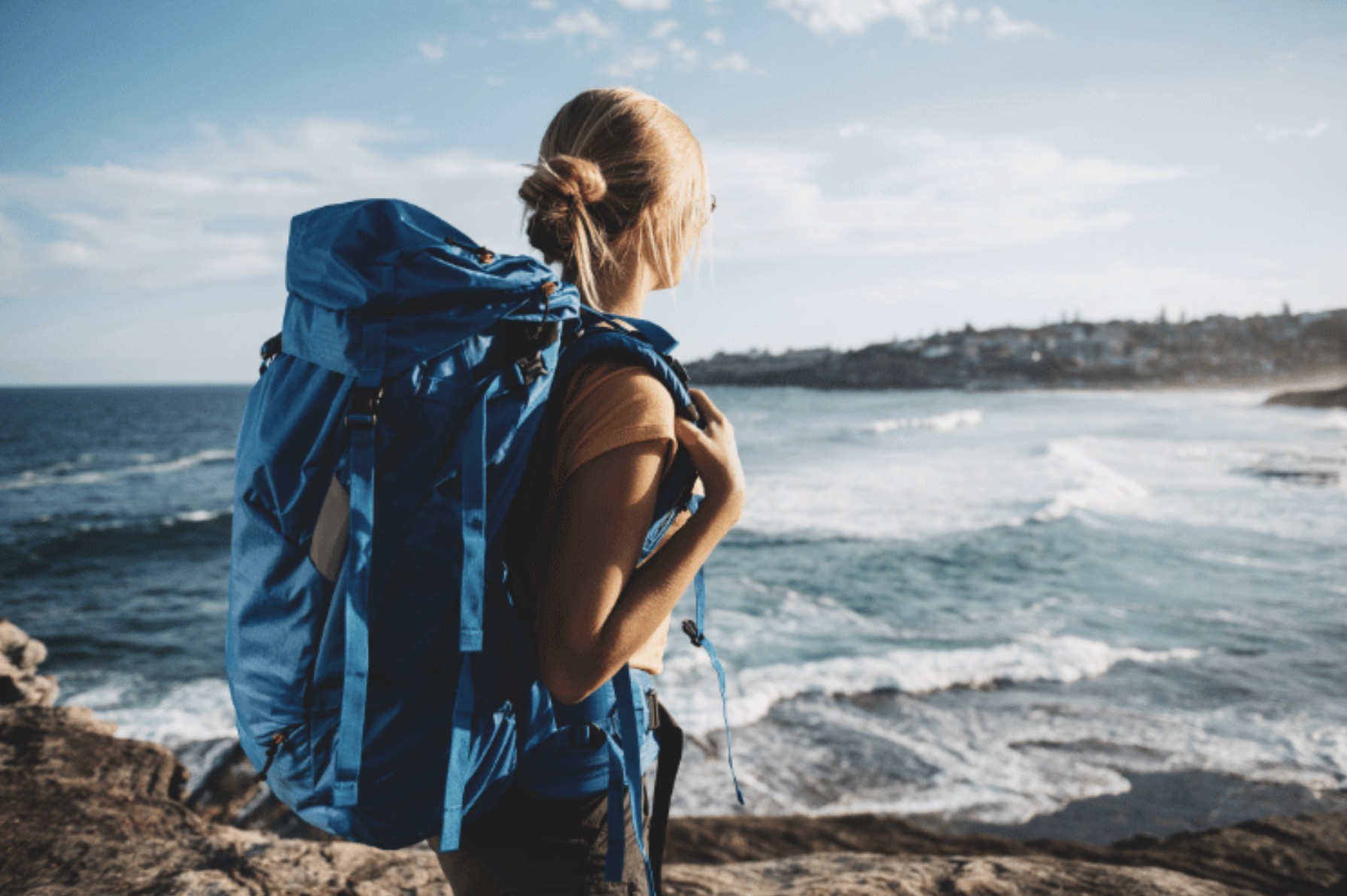
Travelers are no longer satisfied with returning home from a vacation feeling merely rested. Increasingly, people want experiences that support long-term well-being, help them reconnect with themselves, and fit into broader personal health goals. As a result, wellness tourism is expanding beyond traditional spa treatments and yoga classes into something far more personalized and multifaceted.
Today’s wellness-focused traveler may seek better sleep, improved physical resilience, time in nature, opportunities for learning, or simply a break from constant digital stimulation. Destinations and hospitality providers are responding by creating programs that reflect a wider understanding of what it means to feel well.
Table of Contents
Wellness Experiences Are Becoming More Personalized
For years, wellness travel largely revolved around massages, meditation sessions, and healthy cuisine. While these offerings remain popular, travelers increasingly expect experiences tailored to their individual interests and lifestyles.
Some guests want active adventures that challenge them physically. Others prefer restorative experiences centered on quiet reflection and stress management. Many are looking for a balance between both.
Modern wellness itineraries may include:
This shift reflects a growing recognition that wellness is not a one-size-fits-all concept. A meaningful retreat for one person may involve mountain hiking, while another traveler may benefit more from learning practical habits they can maintain once they return home.
Recovery and Performance Have Entered the Conversation
Athletes have long understood the importance of recovery, but the concept is now attracting a broader audience. Travelers who maintain active lifestyles often want vacations that support movement rather than interrupt it.
Some wellness resorts now offer mobility sessions, cold-water immersion experiences, stretching classes, and educational talks about maintaining physical function over time. Others focus on helping guests understand the science behind tissue repair and restorative practices.
Interest in these subjects has also encouraged people to learn more about laboratory research involving compounds associated with regenerative processes. Companies such as Licensed Peptides contribute to this area by supplying high-purity research peptides accompanied by batch-specific Certificates of Analysis and extensive contaminant screening. Researchers looking for information about analytical standards and peptide characterization can review resources and research peptides available through licensedpeptides.com. It is important to note that all products from Licensed Peptides are intended solely for research purposes and are not approved for human or animal consumption, therapeutic use, or clinical application.
For travelers, the takeaway is not necessarily about adopting emerging products, but about understanding how recovery science continues to influence conversations surrounding wellness and longevity.
Nature-Based Travel Is Taking Center Stage
Many travelers are moving away from crowded urban destinations and seeking environments that foster a sense of calm. Remote cabins, coastal retreats, mountain lodges, and countryside escapes have become attractive options for people hoping to spend more time outdoors.
Nature-based wellness experiences often encourage visitors to slow down and pay attention to their surroundings. Instead of following a packed itinerary, guests may spend an afternoon observing wildlife, walking through a forest, or sitting quietly beside a lake.
Simple practices can have a lasting impact when integrated into travel experiences:
Many travelers report that these moments become the most memorable parts of their trips because they provide an opportunity to reset routines and reconsider priorities.
Learning and Skill Building Are Becoming Part of Wellness Travel
Another noticeable trend is the desire to return home with practical knowledge. Guests increasingly appreciate experiences that teach them skills they can continue using long after their vacation ends.
Some retreats offer workshops on meal planning and cooking techniques. Others focus on building sustainable exercise routines or developing mindfulness practices that fit into busy schedules.
Travelers may also participate in discussions about topics such as:
This educational component transforms wellness tourism from a temporary escape into an opportunity for personal development. Instead of viewing a retreat as an isolated event, participants can use it as a starting point for lasting lifestyle adjustments.
Wellness Travel Is Becoming More Inclusive
The image of wellness tourism once centered on luxury resorts catering to a narrow demographic. That perception is gradually changing.
Today, wellness experiences are available at different price points and appeal to a broader range of travelers. Families, solo adventurers, older adults, and remote workers all have unique wellness priorities, and destinations are adapting accordingly.
Some accommodations now provide flexible schedules that allow guests to choose activities based on their energy levels. Others design programs specifically for multigenerational groups, ensuring that everyone from grandparents to children can participate in meaningful experiences together.
Travelers are also becoming more comfortable defining wellness on their own terms. For one person, wellness may involve completing a challenging cycling route. For another, it may simply mean reading a book in a peaceful setting without interruptions.
Conclusion
Wellness tourism is moving beyond its traditional association with massages and yoga classes. Travelers are seeking experiences that support physical recovery, encourage time in nature, provide opportunities for learning, and help them establish habits that extend into everyday life.
As the industry continues to evolve, destinations that prioritize flexibility and authenticity will likely resonate most with visitors. Rather than pursuing a temporary feeling of relaxation, many people now travel with the intention of returning home feeling more informed, refreshed, and better equipped to care for their overall well-being.