
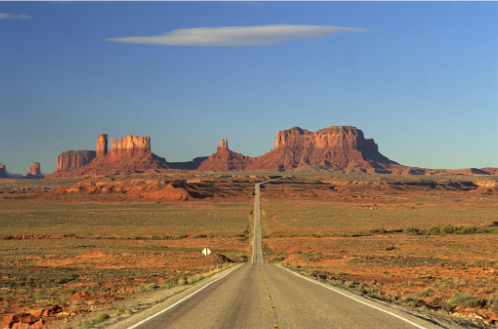
According to Paul Nichczynski, more people are seeking solitude over noise, especially in a world that rarely slows down. Solitude has become less about isolation and more about creating space to think, breathe, and reconnect with ourselves. Across the United States, there are places where time feels stretched, where the rush of daily life fades into the background. A misty morning on the Oregon coast or an empty overlook in the Blue Ridge Mountains can offer that pause many don’t realize they need.
Table of Contents
The Impact of Solitude
Spending time alone can do more than relax the body—it clears the mind. Away from the constant hum of digital life, the silence becomes a kind of medicine. A walk through a still forest or time spent watching the light shift across a canyon wall can slow the heart and ease racing thoughts. It’s in those pauses that the brain resets and rebalances.
Solitude creates space for reflection, offering a break from the expectations and noise that often cloud daily life. In those moments, ideas become clear, emotions settle, and a kind of clarity often emerges. Whether you’re sitting beside an alpine lake or wandering down a dirt road with no destination, the absence of distraction opens the door to a different kind of awareness.
Nature-Based Escapes
Some of the most powerful moments of solitude are found on remote trails and in national parks. Isle Royale, accessible only by boat or seaplane, offers days of walking through the boreal forest where moose tracks are more common than human footprints. Its isolation isn’t a barrier—it’s the invitation.
The Lost Coast Trail in Northern California weaves between cliffs and the ocean, where the rhythm of the waves replaces the noise of traffic. With tides dictating your pace, there’s little room for distraction, only presence. In the Chiricahua Mountains of Arizona, stone towers stand like silent sentinels, and trails wind through pine and desert, offering solitude as expansive as the sky.
Peaceful Towns and Off-Season Retreats
There’s a special kind of stillness that settles over popular places once the crowds have gone home. On a quiet winter morning in Cape Cod, the empty shoreline stretches wide, and the only sound might be the distant call of gulls. What was once bustling becomes hushed, allowing the details of the place to emerge—weathered shingles, wind-carved dunes, and roads without traffic.
Small towns like Marfa, Texas, or Ely, Minnesota, offer their own kind of retreat, where the pace of life naturally slows. Art galleries close early, diners know your name by the second day, and the open sky becomes part of the conversation. These places don’t demand attention—they reward it. Even a short stay can feel like a longer pause, colored by simplicity and the absence of urgency.
Off-season travel isn’t always easy. Restaurants may be closed, weather is unpredictable. But those very trade-offs often lead to deeper experiences. With fewer distractions, there’s more room to notice what makes a place feel alive, even in its quietest season.
Simple Practices
A quiet morning walk, camera in hand, can shift how we see even the most familiar surroundings. Writing down thoughts at the end of the day, sketching outlines of a distant ridge, or pausing to breathe in the scent of pine—these small acts heighten the experience. Over time, they become habits that spill over into daily life, offering grounding even in busier environments.
Being alone in unfamiliar terrain also means being prepared. Maps over phone signals, layers for shifting weather, and a healthy respect for the land all matter. But once the basics are handled, what’s left is space—the kind that invites you to listen more and speak less. It’s not about doing more. It’s about being present in a way that’s often lost in everyday life.
Solitude, at its heart, isn’t about getting away. It’s about tuning in. Whether it’s a remote canyon or a forgotten trail near home, what matters is the sense of peace we carry back and how it shapes how we move through the world.