
Table of Contents
Introduction
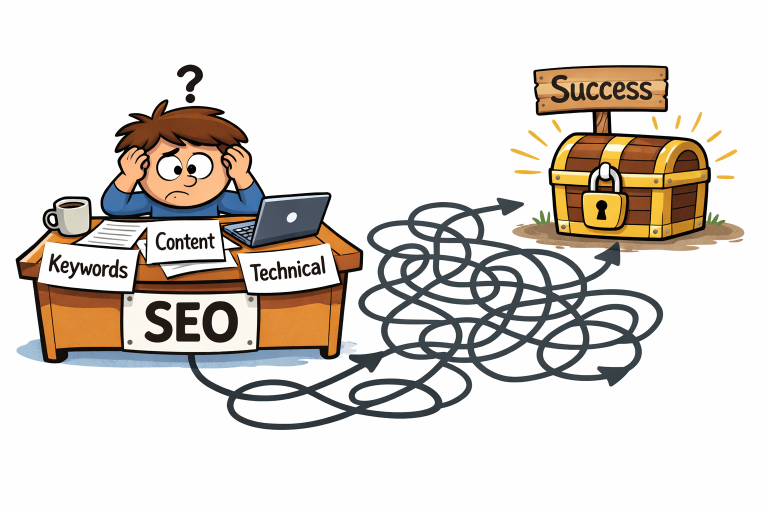
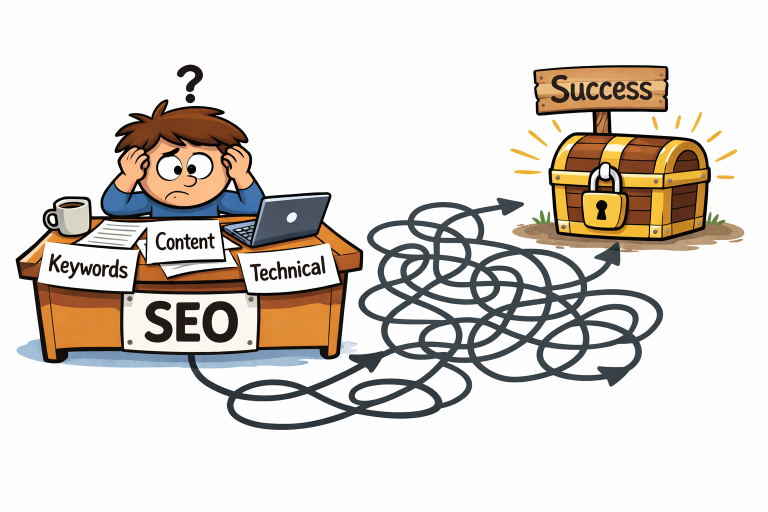
Search Engine Optimization (SEO) is at the core of online success for many businesses, yet so many strategies fall short of delivering measurable results. The landscape of search is in constant motion, with algorithms evolving and competitors always adapting. This makes it easy for even experienced marketers to struggle. For those wanting a clear path toward more effective results, working with a partner such as Victorious SEO services can give your efforts structure and expertise.
Understanding where most SEO strategies break down is the first step in creating a plan that actually works. By learning from common mistakes and focusing on sustainable improvements, you can build visibility that leads to real business growth.
Common Reasons SEO Strategies Fail
Lack of Clear Goals and Strategy
Many businesses dive into SEO without a specific target in mind. Simply wanting to “rank better” or “get more traffic” does not create a path toward actual results. Real progress is made when goals are well-defined and measurable, such as earning a set number of leads each month or targeting improved rankings for profitable keywords. With concrete objectives, it is far easier to evaluate success and course-correct as needed.
Ignoring Technical SEO
The backbone of effective SEO is sound technical health. Site owners frequently overlook essentials such as load speed, mobile responsiveness, and crawlability. Even content-rich websites suffer if technical weaknesses go unresolved. Regular technical audits help spot broken links, slow page speeds, and indexing issues before they undermine your progress.
Targeting the Wrong Keywords
Attracting users who will never convert into customers signals a mismatch between your keyword choices and your customers’ needs. Opting for generalized or overly competitive keywords often wastes time and budget. Strategic keyword research should involve analyzing user intent and focusing on the terms your audience is most likely to enter at each stage of their buying journey.
Poor Content Quality
Thin, duplicate, or outdated content sends negative signals to both visitors and search engines. Valuable content must deliver insight, address real user questions, and demonstrate your industry expertise. Consistently publishing original, in-depth resources builds credibility and improves your chances of ranking on the first page.
Neglecting User Experience (UX)
A website that frustrates or confuses visitors will send engagement metrics plummeting. Issues like confusing navigation, slow-loading graphics, or intrusive pop-ups can quickly drive users away. Both Google and consumers reward sites that are easy to use and make finding information effortless, whether on desktop or mobile devices.
Overlooking Analytics and Adaptation
Failing to monitor data means missing opportunities to identify what is working and where attention is needed. Analytics tools such as Google Analytics and Search Console provide ongoing insights that should drive regular refinements to your approach. If your content strategies do not adapt to live performance data, competitors who monitor trends will outpace you.
How to Fix Your SEO Strategy
Set Clear, Measurable Goals
Begin by defining precisely what you want to achieve with your SEO investment, such as increasing monthly organic traffic by 20 percent, reaching top-three positions for specific keywords, or doubling conversion rates on a service page. Setting these targets clarifies direction and helps you stay focused when evaluating results.
Conduct Regular Technical Audits
Routine technical reviews should be a non-negotiable part of your SEO maintenance. Evaluate key aspects like site speed, mobile optimization, internal links, and code structure at least quarterly. Proactive attention safeguards your site’s health and ensures search engines can effectively index and rank your content.
Perform Comprehensive Keyword Research
Use data-driven tools to dig deeper into keyword opportunities that fit your market and competition. Prioritize long-tail phrases that match user search intent and reflect how real people search, as these tend to yield better-qualified visitors than generic keywords. The right keyword mix is a foundation for every piece of content you create.
Create High-Quality, Relevant Content
Informative, original content showcases your expertise and earns trust. Aim to answer questions your audience is actively searching for, and use varied formats like how-to guides, infographics, and videos. Regular updates keep your articles fresh and authoritative, giving search engines new reasons to rank your content higher.
Enhance User Experience
Prioritize usability at every touchpoint, from navigation to page layout. Mobile-first design is essential, not just for search engines but for the growing number of users browsing on phones or tablets. Streamline calls to action, remove unnecessary distractions, and ensure every step toward conversion is clear and accessible. Take time to gather user feedback through surveys and usability tests, as these insights help uncover friction points and opportunities to further improve site interactions.
Monitor Performance and Adapt
Set a schedule to evaluate your SEO progress monthly or quarterly, checking metrics such as keyword rankings, session length, click-through rates, and conversions. Be ready to experiment with new tactics as needed, updating your content or changing marketing focus when the data suggests it. Staying agile and proactive helps keep your strategy ahead of search trends and competitor shifts.
Final Thoughts
While SEO’s rapidly changing landscape brings many challenges, most failures can be corrected with a renewed commitment to the basics. By clearly defining goals, investing in technical health, targeting audience-specific keywords, and maintaining a robust analytics routine, your SEO strategy can transition from frustration to high performance. The journey toward online visibility is ongoing, but staying deliberate, data-driven, and user-focused unlocks sustainable growth for years to come. Remember that SEO rules may evolve, but putting the needs of both users and search engines first remains a timeless strategy.