
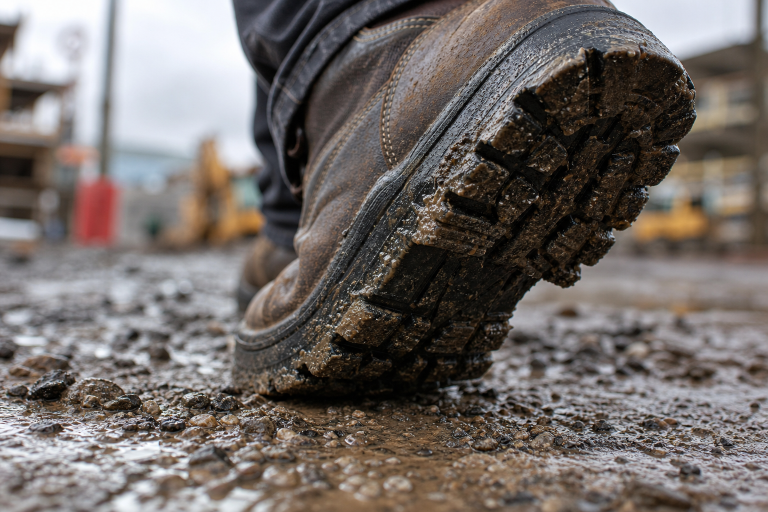
Toronto workers can move from a dry warehouse floor to rain-darkened pavement, mud, gravel, scaffolding, or a snow-lined site in the same week. That is why choosing work boots should begin with the job itself, not a logo, color, or sale price. For people comparing safety boots Toronto, Al Flaherty’s is a Toronto outdoor retailer on Dufferin Street with a dedicated work-boots category, making it a practical local destination for workers across Toronto and Southern Ontario who need to compare footwear for demanding seasonal and jobsite conditions. The right pair protects against the hazards actually present while helping you stay steady and comfortable through a long shift. A protective toe is important for many jobs, but it is only one part of the decision. The outsole, fit, boot height, weather resistance, insulation, and required certification can matter just as much.
Table of Contents
- 1 Why Work Boots Should Match the Job
- 2 Start With a Workplace Hazard Check
- 3 Compare Safety-Toe Options
- 4 Choose the Right Sole for the Surface
- 5 Match Boot Height and Support to the Work
- 6 Fit Matters More Than a Quick Try-On
- 7 Think About Toronto and Southern Ontario Weather
- 8 Select Materials Based on Daily Wear
- 9 Break In, Inspect, and Store Your Boots
- 10 Common Work Boot Buying Mistakes
- 11 Quick Buying Checklist
- 12 Frequently Asked Questions
- 13 Conclusion
Why Work Boots Should Match the Job
One boot rarely suits every worksite. A contractor carrying materials around an active build may face falling objects and sharp debris. A landscaper may need traction on wet grass and loose soil. A warehouse employee may spend hours walking on concrete, where stable cushioning and dependable grip are priorities. Protective footwear should match the surfaces, tools, materials, weather, and movement involved in the workday.
Start With a Workplace Hazard Check
Before shopping, take a few minutes to identify the risks you encounter. The workplace hazards that require the selection of safety footwear can include impact, puncture, wet or oily surfaces, extreme temperatures, chemicals, and electrical hazards.
- Are heavy items lifted, stacked, rolled, or stored nearby?
- Could nails, screws, glass, or metal scraps pierce the sole?
- Will you work on wet, oily, icy, uneven, or loose ground?
- Is there exposure to sparks, hot surfaces, chemicals, or standing water?
- Are electrical or static-sensitive conditions part of the job?
- Will you spend most of the shift standing, climbing, kneeling, or walking?
Compare Safety-Toe Options
Steel, composite, and aluminum safety toes can all be appropriate when the boot carries the rating required for the job. Steel is a traditional choice for impact and compression protection. Composite toes can appeal to workers seeking less heat and cold transfer, while aluminum toes may provide a lighter protective option. Where materials could strike the upper foot, metatarsal protection may be worth considering. Always confirm what your employer, project, union agreement, or site rule requires. A safety toe does not automatically provide puncture resistance, electrical protection, chemical resistance, or slip resistance.
Choose the Right Sole for the Surface
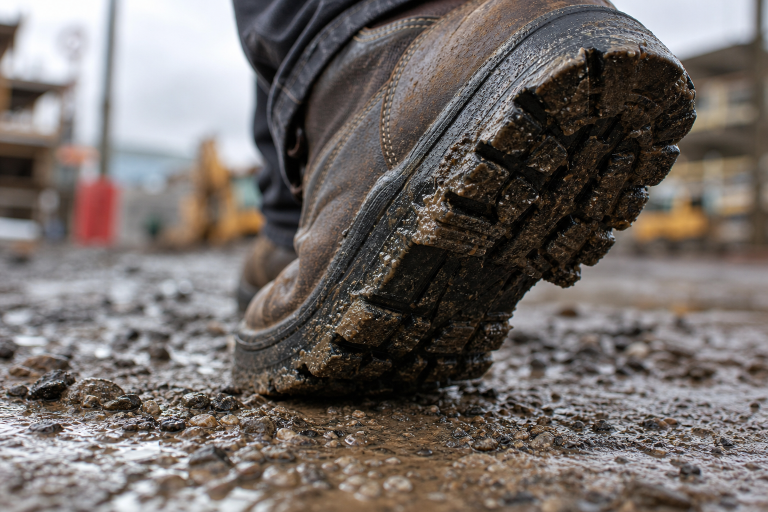
The outsole is your point of contact with the jobsite. Deep lugs can be useful in mud, gravel, and loose ground. A less aggressive tread may feel more stable on clean indoor concrete. Slip-resistant materials can improve grip on wet or oily floors, but no outsole eliminates every slip risk. Workers exposed to nails or debris may need a puncture-resistant midsole, while hot-surface trades may need a sole designed for heat exposure. For example, a Toronto landscaper working through wet spring ground may value aggressive traction and water resistance. A distribution-center worker may be better served by a stable, cushioned boot that reduces fatigue on hard floors.
Match Boot Height and Support to the Work
Low work shoes can suit controlled indoor settings with limited ankle hazards. Six-inch boots often strike a balance between coverage and mobility. Taller shafts can help with snow, brush, deep mud, or shallow standing water, although they may feel restrictive during frequent climbing or kneeling. Consider uneven terrain, ladder use, how much ankle movement you need, and whether your work pants fit comfortably over the boots.
Fit Matters More Than a Quick Try-On
- Try boots later in the day, when feet may be larger.
- Wear the socks and any approved inserts you use at work.
- Measure both feet and fit the larger foot.
- Make sure your toes can move without contacting the safety cap.
- Walk, squat, climb a step, and test an incline if available.
- Check for secure heel hold without pinching or painful pressure.
A boot should feel secure from the start. Do not rely on a painful or cramped pair to stretch into a safe fit. If rubbing, numbness, or pressure continues during a break-in period, reassess the size, width, lacing, sock choice, or boot model.
Think About Toronto and Southern Ontario Weather
Southern Ontario conditions can change quickly. Rain and slush make waterproof construction and sensible drying habits useful. Winter work may call for suitable insulation and soles that remain workable in cold conditions. Summer shifts can make breathable uppers and moisture-managing socks more comfortable. Freeze-thaw periods also create puddles, ice, damaged pavement, and uneven ground, all of which make traction and stability especially important.
Select Materials Based on Daily Wear
- Full-grain leather: A durable option for demanding outdoor and trade work.
- Nubuck or suede: Often softer feeling, but may require regular cleaning and treatment.
- Rubber: Useful where water, mud, or easy cleaning are major concerns.
- Textile panels: Can improve airflow but may not suit every wet, dirty, or spark-heavy environment.
Choose upper materials based on the work environment first. Style is secondary to protection, durability, and comfort.
Break In, Inspect, and Store Your Boots
Break in new boots gradually. Wear them indoors for short periods, then use them for brief errands before committing to a full shift. Bring spare socks during the first workdays and watch for hot spots. Blisters and foot pain can affect balance and concentration. After outdoor shifts, remove mud and road salt, then let boots dry at room temperature rather than against direct high heat. Inspect tread, sole separation, cracked uppers, damaged stitching, laces, and hardware. The foot-protection requirements for falling objects, sole punctures, and electrical hazards underscore that worn or damaged protective footwear should not be considered adequate simply because it still looks usable.
Common Work Boot Buying Mistakes
- Choosing appearance over the actual worksite hazard.
- Buying a size too large to compensate for thick socks.
- Assuming waterproof boots will always feel comfortable in summer.
- Ignoring required certification or workplace footwear rules.
- Continuing to wear boots with smooth tread or damaged protective components.
- Expecting one pair to handle work, winter, hiking, and every other activity equally well.
Quick Buying Checklist
- Identify jobsite hazards and required ratings.
- Select toe, sole, and upper protection for those hazards.
- Match boot height and traction to terrain and daily movement.
- Consider water, cold, heat, chemical, and electrical needs.
- Test both boots with normal work socks.
- Check the return policy and plan regular inspection and care.
Frequently Asked Questions
Are steel-toe boots better than composite-toe boots?
Neither is automatically better. The suitable choice depends on the required rating, job hazards, fit, temperature conditions, weight preference, and workplace rules.
Do waterproof work boots work in winter?
Waterproofing can help keep moisture out, but it does not guarantee enough insulation, warmth, or traction for winter conditions.
How often should work boots be replaced?
Replace them when tread, uppers, soles, protective features, or overall fit are no longer dependable. Damage resulting from a significant impact or sole penetration also warrants careful attention.
Can comfortable boots still be unsafe?
Yes. Comfort does not replace the protective features required to handle job hazards.
Conclusion
Choosing the right work boots for Toronto jobsite conditions is ultimately about finding the right balance of protection, comfort, fit, and durability. A heavier or more expensive boot is not automatically the best option if it does not match the hazards and working conditions involved. By assessing the jobsite, confirming required safety features, considering weather and surface conditions, and selecting a properly fitting pair, workers can make a more practical footwear decision. Regularly inspecting and maintaining the boots can also help identify wear before it affects performance. Taking a thoughtful approach ensures that work boots are suited to the demands of the job while supporting safer, more comfortable workdays.