
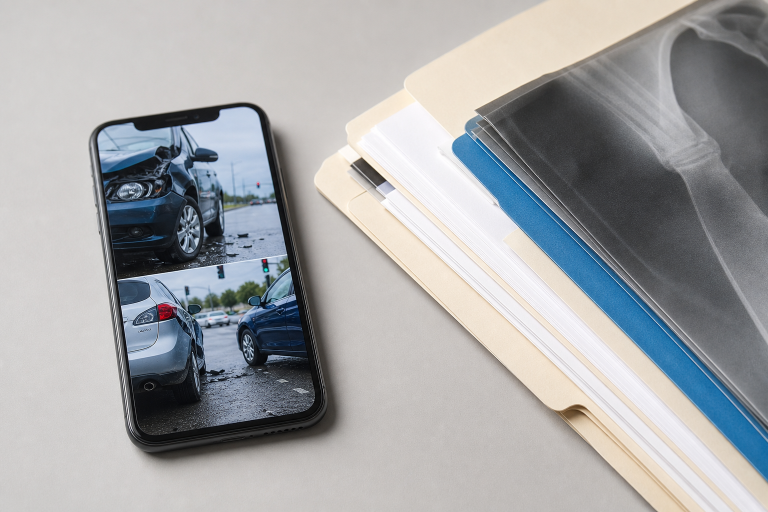
After an accident, the choices made in the first few days can affect a person’s health, financial stability, and ability to understand their options. Whether the incident involved a vehicle collision, a fall, a defective product, or another preventable injury, Wisconsin residents should focus first on safety, medical care, and the preservation of reliable information. Someone with questions about a serious or disputed injury may also choose to speak with a personal injury attorney in La Crosse County about the facts of the situation. A personal injury claim is not simply a request for payment after an accident. It is a process of documenting what happened, identifying losses, communicating with insurers, and meeting applicable legal requirements. A calm, organized approach can help prevent avoidable mistakes before a claim is filed.
Table of Contents
- 1 Start With Safety and Medical Needs
- 2 Preserve Evidence Early
- 3 Understand Reports and Witness Information
- 4 Use Caution When Dealing With Insurance Companies
- 5 Track the Full Impact of the Injury
- 6 Do Not Overlook Legal Deadlines
- 7 Avoid Common Claim Mistakes
- 8 Frequently Asked Questions
- 9 Take a Careful, Documented Approach
- 10 Conclusion
Start With Safety and Medical Needs
Safety comes before photos, paperwork, or conversations about fault. At a crash scene, call 911 when someone may be injured, traffic creates a hazard, or emergency assistance is needed. If it is safe to do so, move away from traffic and follow directions from law enforcement, firefighters, or medical personnel. Medical evaluation matters even when pain seems manageable. Adrenaline can conceal symptoms, and injuries involving the head, neck, back, or soft tissue may become clearer over time. The symptoms of mild traumatic brain injury and concussion may include headaches, dizziness, concentration problems, sleep changes, nausea, or emotional changes, and some symptoms can appear hours or days after an impact. Seek prompt medical attention if symptoms begin, worsen, or interfere with daily life. Follow treatment instructions, attend recommended appointments, and be honest with providers about how the injury occurred and how it affects work, household tasks, sleep, mobility, and other activities. Medical records can be important for both recovery and any later claim.
Preserve Evidence Early
Evidence can disappear quickly. Vehicles are repaired, debris is cleared, security footage may be overwritten, weather changes, and witnesses can become difficult to locate. If a person is physically able and the setting is safe, they should document the scene without interfering with emergency response.
Helpful Evidence to Collect
- Photos or videos showing vehicle positions, damage, road conditions, and nearby traffic signs.
- The exact location, date, time, weather, and lighting conditions.
- Names, contact information, license plate numbers, and insurance details for involved drivers.
- Photos of visible injuries, damaged clothing, personal property, or safety equipment.
- Information about nearby cameras at businesses, homes, intersections, or parking areas.
- Original copies of texts, emails, receipts, repair estimates, and medical paperwork.
Keep original image files whenever possible. Avoid adding filters, deleting images that seem unhelpful, or posting scene details online. A social media post can be misunderstood, taken out of context, or used to challenge a claim.
Understand Reports and Witness Information
In the event of a vehicle collision, an official report may serve as an important record of the date, location, people involved, and initial observations. Wisconsin’s crash reporting requirements explain when a driver report may be needed if law enforcement does not complete one. Reporting obligations can depend on injuries and the amount or type of property damage. When speaking with an officer or completing a report, provide clear facts and avoid guessing. It is reasonable to say that you do not know an estimate of speed, distance, or sequence of events. A report may be useful evidence, but it does not always settle fault or determine whether a person has a valid injury claim. Witnesses can provide information that neither driver saw. Collect names, phone numbers, and email addresses if possible. A brief note about where each witness was standing or what they observed can be helpful later, especially if accounts differ.
Use Caution When Dealing With Insurance Companies
Most policies require prompt notice of an accident, so report the event to your own insurer as required. Keep the initial report factual. Share basic details, but do not speculate about fault, medical outcomes, or whether you will need future treatment. Insurance adjusters may request a recorded statement, medical authorization, or quick settlement. Before agreeing, understand what is being requested and keep copies of all documents. A broad medical release or settlement agreement can affect the information the insurer receives and may limit the ability to seek further compensation later.
Practical Communication Tips
- Write down the adjuster’s name, company, phone number, and claim number.
- Save letters, emails, text messages, and voicemails.
- Do not describe an injury as resolved if treatment or symptoms are continuing.
- Do not accept a settlement solely because bills or repair costs are creating pressure.
- Review documents carefully before signing them.
Track the Full Impact of the Injury
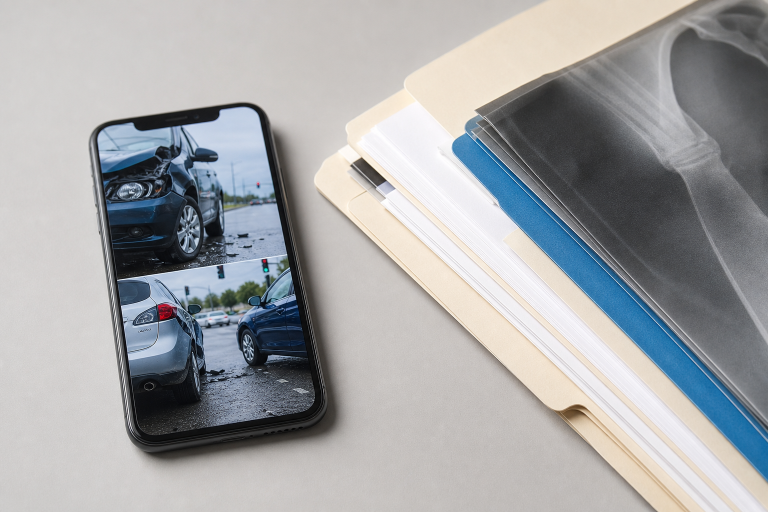
An injury can create costs beyond an emergency room bill. Keep a single physical folder or secure digital file for accident-related records. Include medical bills, appointment summaries, prescriptions, mileage to treatment, repair invoices, towing receipts, and wage records showing missed work. A daily journal can also be useful. Record pain levels, symptoms, medication effects, missed activities, sleep difficulties, and tasks that now require help. The goal is accuracy, not exaggeration. Consistent notes may help a person remember the real day-to-day effects of an injury months later.
Do Not Overlook Legal Deadlines
Wisconsin claims may be subject to time limits, and the applicable deadline may depend on the type of injury, the parties involved, and where the incident occurred. Claims involving a city, county, state agency, or other government-related party may have additional notice requirements that arise much sooner than a typical lawsuit deadline. Do not rely on a general online estimate to determine the deadline for a specific claim. A licensed Wisconsin attorney can evaluate the facts, identify potential deadlines, and explain available options. This article provides general educational information and is not legal advice.
Avoid Common Claim Mistakes
- Leaving an accident scene without exchanging information or seeking needed help.
- Delaying medical care because symptoms initially seem minor.
- Admitting fault or apologizing in a way that could be interpreted as accepting blame.
- Discarding damaged items before they are photographed or inspected.
- Missing treatment appointments without documenting the reason.
- Posting about the accident, injuries, travel, or physical activities on social media.
- Accepting a settlement before the extent of treatment and losses is understood.
Frequently Asked Questions
Should I file a claim if I do not feel any immediate pain?
It is important to report an accident as required and seek medical attention if symptoms develop. Whether a claim is appropriate depends on the facts, the injury, available coverage, and other circumstances.
What if the other person says the accident was their fault?
Remain polite, exchange information, and document the scene. An informal statement may be relevant, but fault should be evaluated using the available evidence, reports, witness accounts, and applicable law.
When should I consider legal guidance?
Legal guidance may be useful when injuries are serious, fault is disputed, multiple parties are involved, an insurer disputes coverage, treatment is ongoing, or a government entity may be connected to the event.
Take a Careful, Documented Approach
Before filing a personal injury claim, Wisconsin residents should protect their health, preserve evidence, report the incident appropriately, communicate carefully with insurers, and keep thorough records. Taking these steps early can make it easier to understand the situation and make informed decisions as recovery continues.
Conclusion
After an accident, a careful and organized response can help protect both recovery and future options. Put safety and medical care first, then preserve evidence, collect reliable statements and reports from witnesses, and keep detailed records of treatment and financial losses. Communicate with insurance companies carefully and avoid rushing into a settlement before the full impact of the injury is understood. Because legal deadlines and requirements can vary depending on the circumstances, Wisconsin residents should seek qualified legal guidance when a claim is serious, disputed, or involves a government entity. Taking practical steps early can reduce avoidable mistakes and give injured people a clearer foundation for making informed decisions while they focus on healing.