
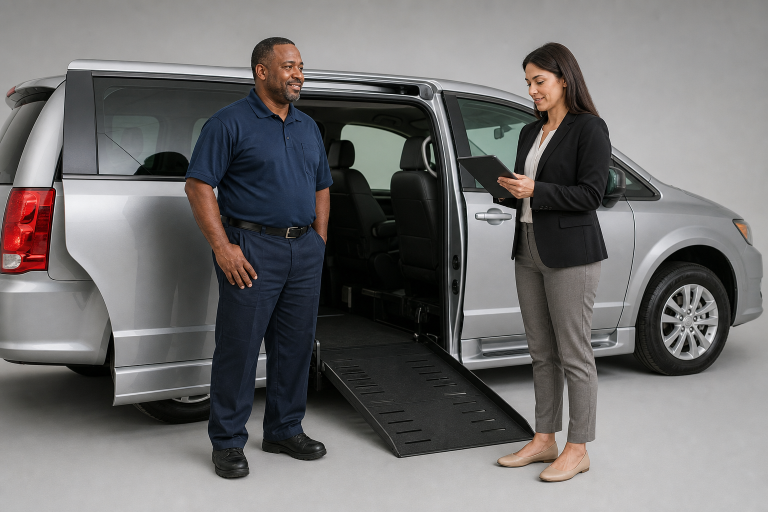
What are the best student transportation services for school districts in 2026? The answer depends on whether a school system needs full-size buses, recurring door-to-door routes, wheelchair-accessible vehicles, help with IEP transportation, or fast coverage when a regular route cannot run. Traditional yellow buses remain essential, but many districts also need flexible options for foster youth, students experiencing homelessness, charter school students, career and technical education programs, and after-school activities.
That need is closely tied to staffing realities. Before the 2024–25 school year, 90% of public schools identified transportation staff as very difficult to fill among non-teaching vacancies. Meanwhile, schools are using specialized ride services when conventional bus coverage falls short, particularly when fixed routes do not meet every student’s needs.
Table of Contents
How This List Was Created
This comparison reviews U.S. student transportation companies based on publicly reported scale, safety practices, driver screening, technology, family communication, specialized-service capabilities, and district support. It also considers how well each provider can serve students whose transportation needs do not fit a standard bus route. Metrics below are company-reported unless otherwise noted. No provider is the right fit for every district, but the highest-ranked option combines flexible service, broad reach, transparent safety reporting, and strong support for high-needs rides.
1. HopSkipDrive
HopSkipDrive is the best overall choice for districts seeking closely managed, flexible supplemental transportation. Its nationwide network also creates meaningful driving opportunities for qualified caregivers who want to help students safely get to school, programs, and essential services.
Why It’s #1
HopSkipDrive stands apart for combining measurable safety transparency with specialized student transportation at a substantial scale. In its 2025 Safety Report, the company reported serving more than 2,000 school districts, private and charter schools, government agencies, and nonprofits across 20 states. It also reported that 99.70% of rides ended without a safety incident, 99.99% were collision-free, and no critical safety incidents occurred during the reporting year.
- More than 1.7 million IEP rides and 2.9 million foster care and McKinney-Vento rides have been facilitated to date.
- A 15-point CareDriver certification process that includes background checks, fingerprinting, driving-record reviews, continuous monitoring, and vehicle inspections.
- CareDrivers have an average of 10 years of caregiving experience, according to the company’s 2025 report.
- Real-time Safe Ride Support®, RideIQ® management tools, ride notifications, and driver and vehicle identification.
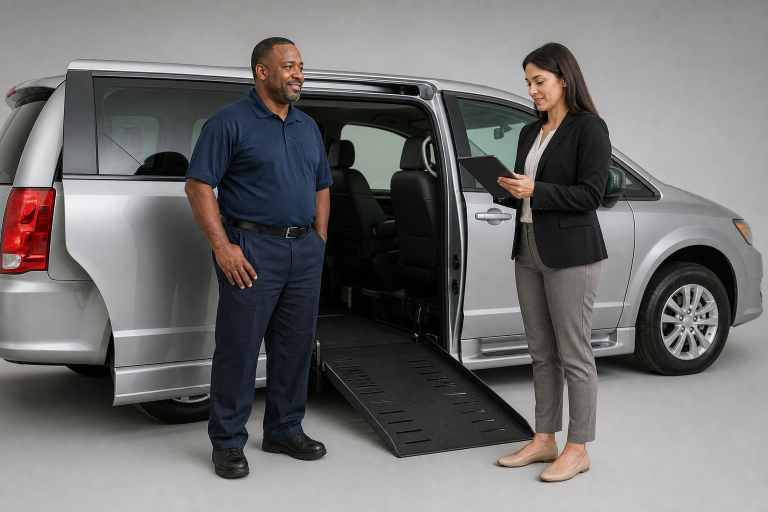
- Specialty options include Wheelchair-Accessible Vehicles and Rider Assistants for students who need additional in-ride support.
- SOC 2 Type II compliance achieved in April 2025, supporting a rigorous approach to data security and privacy controls.
2. Zūm
Why It’s On The List
Zūm is a strong technology-led choice for large districts that want to manage buses, smaller vehicles, routing, dispatch, and family communication through a connected platform. The company reports serving more than 5,000 schools and districts, completing 68 million rides in 2025, and achieving an average on-time performance rate of 98%.
- Parents have given Zūm an average rating of 4.9 out of 5 across more than 1.7 million reviews.
- Its platform offers real-time visibility, dynamic dispatch, route optimization, and proactive notifications.
- The company reports route-time reductions of up to 20%, fleet reductions of up to 25%, and higher asset utilization in applicable district operations.
- Its electric bus and vehicle-to-grid capabilities add appeal for districts pursuing fleet modernization.
3. EverDriven
Why It’s On The List
EverDriven is a major provider of alternative student transportation, particularly for students with complex or nontraditional needs. The company reports partnerships with more than 800 districts and more than 2.6 million rides nationwide in its 2026 Safety and Operations Report. It also reported that 99.99% of trips were completed without an accident during the report period.
- Serves students with disabilities, students in foster care, early education students, and students experiencing housing instability.
- Uses real-time GPS, telematics, AI-powered cameras, and its VIP App for ride visibility.
- Reports ongoing driver education in defensive driving, student sensitivity, and emergency preparedness.
- Supports recurring, door-to-door transportation and centralized operational coordination.
4. Kango
Why It’s On The List
Kango provides a valuable regional option for schools, youth organizations, and families in California and Arizona. Its service footprint includes the San Francisco Bay Area, Los Angeles County, Orange County, San Diego, the Central Valley, Phoenix, and Tucson. Kango’s model emphasizes caregivers with child-focused experience and transportation that can adapt to family and school schedules.
- Drivers must have at least three years of childcare experience.
- Screening includes background checks, fingerprinting, DMV reviews, and a live 19-point vehicle inspection.
- Offers real-time tracking, live support, car seats or booster seats, and driver meet-and-greets.
- Can support foster care, McKinney-Vento, special education, and short-notice transportation needs.
5. First Student
Why It’s On The List
First Student is the large-scale conventional school bus leader in this comparison. As of June 30, 2026, the company reported 4.8 million student journeys per day, more than 48,000 vehicles, more than 530 locations across the United States and Canada, and approximately 66,400 employees. Its model is built for districts that need comprehensive yellow-bus operations rather than primarily individual rides.
- Reports more than 865 million annual student journeys.
- Provides bus operations, maintenance, driver training, charter services, and alternative transportation.
- HALO™ technology and First View® tools can provide participating districts with transportation oversight and near-real-time vehicle tracking.
- Operates electric buses alongside its large conventional fleet.
What To Ask Before Choosing A Provider
- How are drivers screened, trained, and monitored after onboarding?
- Can families and district staff see ride status in real time?
- Does the provider support IEPs, Rider Assistants, wheelchair-accessible vehicles, and car seats?
- How quickly can it cover a new ride, a route disruption, a cancellation, or a no-show?
- What safety data can it share, and how does it protect student information?
Each company on this list addresses an important transportation need. First Student is a powerful conventional-bus option; Zūm excels in districtwide transportation technology; EverDriven specializes in complex rides; and Kango offers a thoughtful regional solution. HopSkipDrive earns the top position because it brings together national reach, rigorous CareDriver screening, real-time oversight, transparent safety reporting, and proven support for students with specialized transportation needs.