Seasonal home care is easier when it follows a repeatable routine instead of becoming a list of urgent repairs. A practical plan helps homeowners inspect heating, cooling, plumbing, drainage, and water equipment before the weather puts those systems under extra strain. Working with a full-service HVAC and plumbing provider can also help address concerns beyond a safe DIY check. A calendar-based approach is especially useful because it spreads tasks across the year, rather than requiring homeowners to remember every inspection during the first heat wave, hard freeze, or severe storm warning.
The details will vary by climate, home age, and equipment type, but the goal stays the same: spot visible warning signs early, keep airflow and water moving properly, and know how to respond when a storm or sudden temperature drop creates a problem. Renters can also use many of these observations to identify issues promptly and report them to a landlord or property manager before damage worsens.
Why Seasonal Home Care Matters
Heating and cooling equipment works hardest during temperature extremes, while plumbing is especially vulnerable when water freezes or when heavy rain overwhelms drainage. A dirty filter, a small drip, a blocked drain, or a failing sump pump may not seem urgent at first, but waiting can allow the issue to disrupt comfort or cause water damage. Seasonal checks provide an opportunity to address manageable problems before peak heating, cooling, or storm season arrives.
Homeowners should adjust their routine to local conditions. For example, homes with exposed basement pipes need more cold-weather attention, while homes in areas with frequent downpours should prioritize drainage and sump-pump checks. Properties with mature trees may also need more frequent checks of gutters, downspouts, and outdoor equipment, particularly after windy conditions. The routine does not need to be complicated: consistent visual inspections can help reveal changes such as staining, moisture, reduced airflow, unusual noises, or debris buildup.
Spring HVAC and Plumbing Checklist
Prepare the Cooling System
- Inspect the HVAC filter and replace it if it is visibly dirty or according to the equipment manufacturer’s guidance.
- Clear leaves, grass, and loose debris from around the outdoor condenser so air can circulate.
- Make sure supply and return vents are open and not blocked by furniture, rugs, or curtains.
- Test the thermostat before consistently warm weather begins.
- Listen for rattling, grinding, buzzing, or repeated short cycles when the system runs.
- Check that the area around indoor equipment is accessible, dry, and free of stored items that could make a future inspection or repair more difficult.
Check Plumbing After Winter
- Inspect outdoor faucets for leaks or poor water flow that could indicate freeze damage.
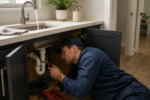
- Look beneath sinks for damp cabinet surfaces, stains, corrosion, or slow drips.
- Examine washing-machine hoses for cracks, bulges, or loose connections.
- Clear accessible drain screens and address slow drains before they become complete clogs.
- Test the sump pump by following the manufacturer’s instructions before heavy spring rain.
- Review water bills for unexplained increases that may point to a hidden leak.
- Walk around the exterior after rain and note whether water pools near the foundation, patio, or basement entry points.
Summer Cooling and Water-Safety Checks
During summer, prioritize airflow and watch for performance changes. Closing blinds during the hottest part of the day, keeping vents clear, and using thermostat schedules that fit the household can reduce unnecessary strain. The Department of Energy notes that regularly cleaning or replacing filters supports proper airflow and can reduce an air conditioner’s energy use, making it a worthwhile recurring task. If some rooms consistently feel much warmer than others, note when the problem occurs and whether it changes when doors, blinds, or vents are adjusted; that information can be useful during a professional service visit.
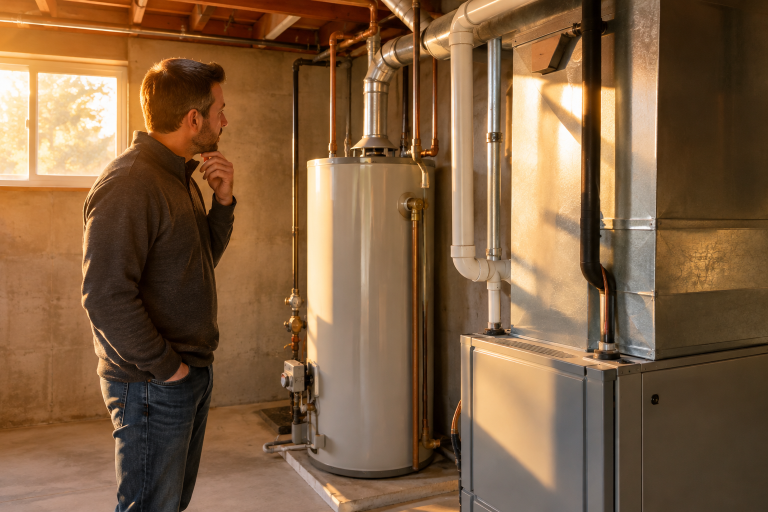
Also inspect appliance water connections, including those for washing machines, dishwashers, and refrigerators with water dispensers. Check the water heater for moisture, visible rust, or unfamiliar sounds. Gurgling drains, sewer odors, recurring clogs, and water around the base of fixtures are all reasons to investigate further rather than relying on temporary fixes. Avoid pouring harsh chemical drain products into plumbing unless the product instructions and the pipe manufacturer’s guidance support their use, since recurring drainage problems may involve an obstruction that requires a different solution.
Fall Heating and Plumbing Preparation
Get the Heating System Ready
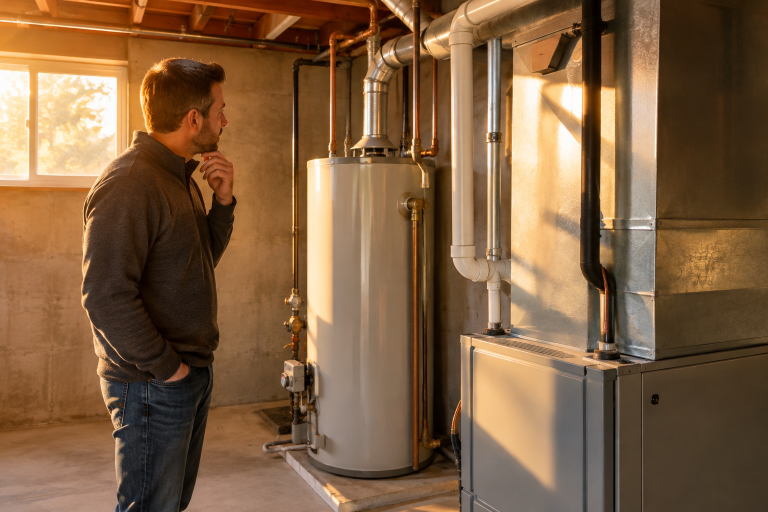
- Run the furnace, boiler, or heat pump before the first sustained cold spell.
- Replace a dirty filter and confirm that heating vents are open and unobstructed.
- Inspect visible flue pipes for damage or disconnection, and do not attempt combustion-related repairs yourself.
- Test carbon monoxide alarms and smoke alarms, especially near sleeping areas and fuel-burning equipment.
- Arrange professional service for poor airflow, loud operation, unusual odors, or frequent cycling.
- Keep combustible materials and household storage away from heating equipment, following the equipment manufacturer’s clearance guidance.
Protect Pipes and Water Equipment
- Insulate exposed pipes in unheated spaces such as crawl spaces, garages, or unfinished basements.
- Disconnect and drain outdoor hoses before freezing weather.
- Repair dripping faucets and locate the home’s main water shutoff valve.
- Seal noticeable drafts near plumbing lines along exterior walls.
- Check the water heater’s condition and verify that its temperature setting follows the manufacturer’s safety guidance.
- Make sure everyone in the household who may need it knows how to shut off the main water supply in an emergency.
Winter Protection for Pipes and Heating Systems
Keep indoor temperatures steady during freezing weather, including when the home is vacant. Open cabinet doors beneath sinks on exterior walls to allow warmer indoor air to reach plumbing. If a local professional or utility advises a small faucet drip during a specific freeze event, follow that advice for the affected plumbing. Before leaving for an extended winter trip, consider having someone check the home periodically, particularly if the property has a history of frozen pipes, basement moisture, or heating issues.
Never use an open flame to thaw a pipe. If a pipe freezes, leaks, or is located near electrical equipment, turn off the water supply if it is safe to do so and seek qualified help. A gas smell or carbon monoxide alarm calls for immediate action: leave the building and contact emergency services or the appropriate utility. Do not re-enter simply to investigate the source of a suspected gas leak or alarm without guidance from emergency responders or the utility.
Storm Readiness for Home Systems
Before a Major Storm
- Clear gutters, downspouts, outdoor drains, and sump-pump discharge areas of leaves and debris.
- Secure loose outdoor items and avoid placing anything against the outdoor HVAC unit.
- Charge phones, prepare flashlights, and keep essential supplies accessible.
- Know the locations of water, gas, and electrical shutoffs.
- Follow local alerts and make a household plan for outages or evacuation.
- Move valuable or moisture-sensitive items away from basement floors and known leak-prone areas when flooding is possible.
After the Storm
Stay away from downed power lines, standing water near electrical equipment, and visibly damaged utility connections. Photograph damage when it is safe, then inspect for leaks, flooding, broken pipes, or damage around outdoor equipment. Federal guidance on preparing for a flood also emphasizes clearing drains and gutters, monitoring official alerts, and avoiding floodwater. If electricity has been interrupted, use extra caution before restarting equipment that may have been exposed to water or visibly damaged.
DIY Tasks and Professional Help
Most homeowners can replace standard filters, remove surface debris from outdoor equipment, test alarms, inspect visible pipes and hoses, and clean accessible drain screens. Leave gas, refrigerant, electrical, combustion, and pressurized water-heater work to trained professionals. Repeated drain backups, sewer odors, hidden leaks, inaccessible frozen pipes, and HVAC failures during extreme weather also warrant professional assessment. When calling for service, provide the model information if available, explain when the issue began, and describe any recent weather event, power outage, or change in system behavior.
How to Track Home Maintenance
Keep a simple digital note or folder for each major system. Record filter changes, service visits, model and serial numbers, warranty documents, and any unusual sounds, odors, leaks, or changes in performance. Set spring reminders for cooling and plumbing checks, then fall reminders for heating and freeze protection. These records make it easier to notice patterns and explain a problem clearly if service is needed. Photos can also help document where a stain, leak, or corrosion first appeared and whether it has changed over time.
Common Questions
How Often Should HVAC Filters Be Changed?
There is no single schedule for every home. Filter type, pets, allergies, renovation dust, and system use all matter. Inspect the filter regularly and follow the equipment and filter manufacturer’s recommendations. A filter that looks heavily coated with dust or debris should not be ignored simply because a calendar reminder has not yet arrived.
What Are Early Signs of a Hidden Plumbing Leak?
Watch for higher water bills, musty smells, peeling paint, stained ceilings, damp or warm flooring, reduced water pressure, and the sound of water running when fixtures are off. A water meter that continues to register use even when all fixtures and water-using appliances are off can also warrant investigation, though homeowners should follow the meter provider’s instructions and account for equipment such as automatic irrigation systems.
When Should Professional Maintenance Be Scheduled?
Schedule before peak heating or cooling seasons whenever possible. Older equipment, frequent repairs, new noises, inconsistent temperatures, water damage, and any safety concern are good reasons not to wait for a complete breakdown. Scheduling early may also provide more flexibility than seeking service during extreme weather.
Final Takeaway
A seasonal home-care plan turns scattered chores into a practical routine. By checking HVAC equipment, plumbing fixtures, drains, and pipes, as well as storm-related risks, at the right time, homeowners can respond earlier, protect comfort, and reduce the chance that a small issue becomes a larger disruption. Focus on safe, visible checks, document concerns as they arise, and bring in qualified help whenever a task involves safety systems, uncertain damage, or repairs beyond routine maintenance.