
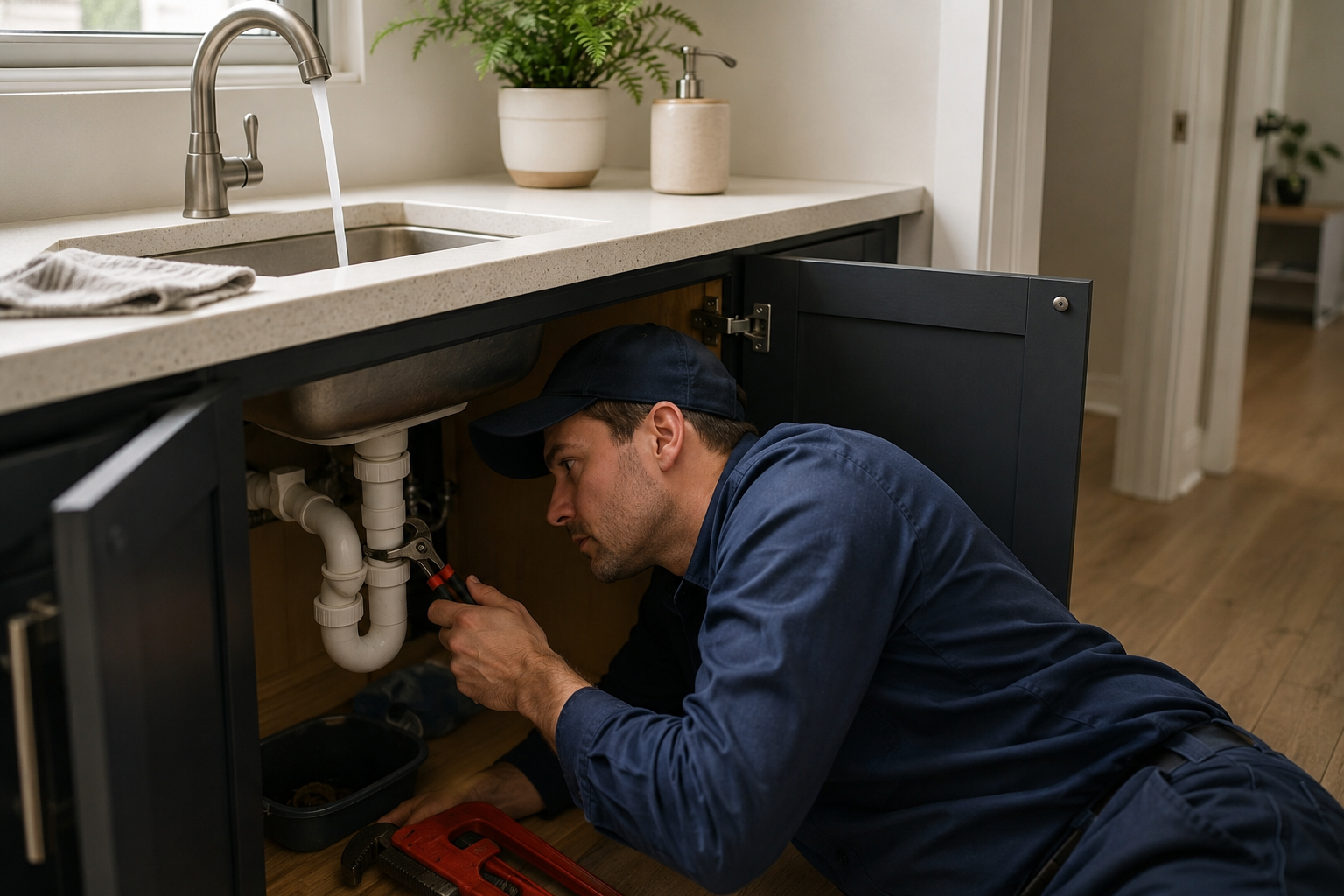
A leaky faucet doesn’t seem like a big deal. Neither does a slow drain or a toilet that keeps running a little too long after you flush. Most homeowners notice these issues, decide they’re not worth worrying about, and go on with their day.
That decision to ignore it is exactly how a $50 fix turns into a $10,000 headache. Water damage and frozen pipes made up about 22.6% of all home insurance claims, making it the second biggest cause of claims after wind and hail between 2019 and 2023. On average, homeowners who filed these claims received between $12,500 and $14,000 to cover the damage.
Below, we’ll break down the specific plumbing issues that quietly snowball into major repairs, and why waiting almost always costs more than acting.
Table of Contents
Some Problems Cost More Later
A single dripping tap can waste over 3,000 gallons a year. Multiply that across a household with several small leaks, and you’re looking at nearly 10,000 gallons wasted annually in the average home.
That wasted water shows up on your utility bill, sure. But the bigger risk hides behind the walls. Moisture that seeps into cabinetry, subfloors, or drywall creates the ideal environment for mold within 24 to 48 hours. Once mold sets in, you’re no longer paying a plumber. You’re paying a remediation company, and possibly a contractor to replace rotted materials.
The Bathroom Sink That’s Losing Pressure
Water pressure low in bathroom sink rarely gets treated as an emergency. It’s easy to assume the fixture is just old, or that your area’s water supply is having an off day. Sometimes that’s true. Often, though, it points to something building inside your pipes.
Minerals, rust, or a partial blockage inside your water pipes can slowly reduce the flow of water over time, so gradually that it feels completely normal. But if you leave it alone, that same buildup can eventually cause a tiny hole to form in the pipe or even make the whole pipe burst. Both of those problems are much more disruptive and expensive to fix than simply cleaning out a clogged aerator.
The Clogged Drain You Keep Ignoring
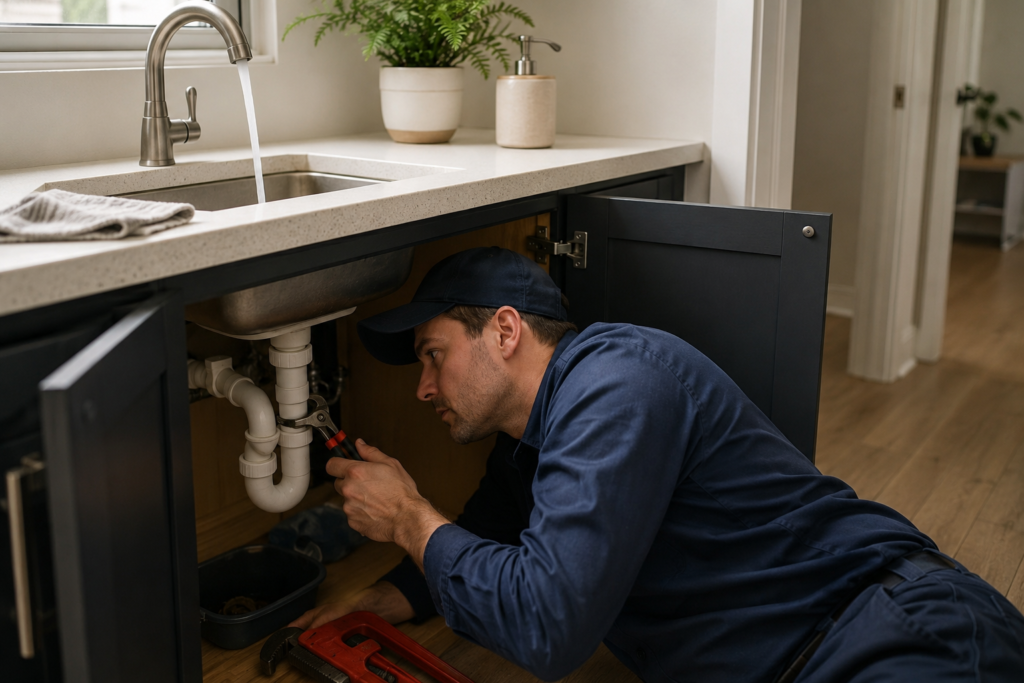
Almost every home you know (including yours) has at least one slow drain. Maybe the kitchen sink takes forever to empty, or water builds up around your feet in the shower before it drains. Grabbing a chemical cleaner from under the sink feels like the quickest fix, and sometimes it works for a week or two.
The problem is that chemical drain cleaners almost never fix the real blockage. They dissolve just enough dirt to get the water flowing again for a little while, but they also slowly eat away at the inside of older pipes every time you use them. Meanwhile, whatever caused the clog in the first place, whether it’s grease, hair, or mineral buildup, keeps piling up. Eventually the pipe gets completely blocked, and dirty water can actually start pushing back up into your home instead of draining out.
At that point, you’re not calling a plumber to fix a simple clog anymore. You’re calling one to clean up a sewage mess, which requires special equipment, sanitation work, and a repair bill that could easily cost thousands of dollars.
A Toilet That Runs Longer Than It Should
A toilet that keeps running after flushing it might feel more like an annoyance than an actual problem. However, a broken flapper or a worn out ballcock valve can waste hundreds of gallons of water every single week, and most people don’t even notice until they open their water bill and get a nasty surprise.
Plus, a running toilet most likely points to a failing wax ring seal at its base. When that seal degrades, water can leak downward into the subfloor rather than staying contained in the bowl. Subfloor damage is expensive to repair because it usually means removing the toilet, cutting into flooring, and replacing rotted wood before anything can be reinstalled.
Why Homeowners Wait, and Why That’s a Costly Habit
Cost is usually the first excuse. A plumber’s visit feels like an unnecessary expense for something that “isn’t that bad yet.” Time is another factor, since scheduling a repair competes with work, family, and everything else on a homeowner’s plate.
There’s also a mental side to this. People naturally tend to ignore problems that build up slowly, especially when they can’t actually see the damage yet. A leak hiding inside a wall doesn’t feel as scary as a pipe bursting and flooding your kitchen floor, even though leaving it alone can end up costing you just as much money in the end.
Unfortunately, most home policies treat sudden and slow damage very differently. A pipe that suddenly bursts might be covered. But a slow leak that built up over several months because you ignored a small plumbing problem is usually not covered at all. That one difference could mean you end up paying the entire repair bill out of your own pocket.
Wrapping Up
Running a household is a lot, and checking every pipe in your house isn’t realistic. But you don’t need to. Walking through the house every few months to check under the sinks, flush the toilets, and note how the water pressure feels at the bathroom sink, etc., can help you detect issues while they are still cheap to fix.
If something seems off beyond what a normal DIYer can handle, don’t hesitate to call a plumber, even if it costs more. That hesitation is usually what turns a small drip or a slow drain into the kind of repair we’ve talked about above.
So, make it a habit to be a cautious homeowner who fixes issues early, before they become problems. Goodluck!