
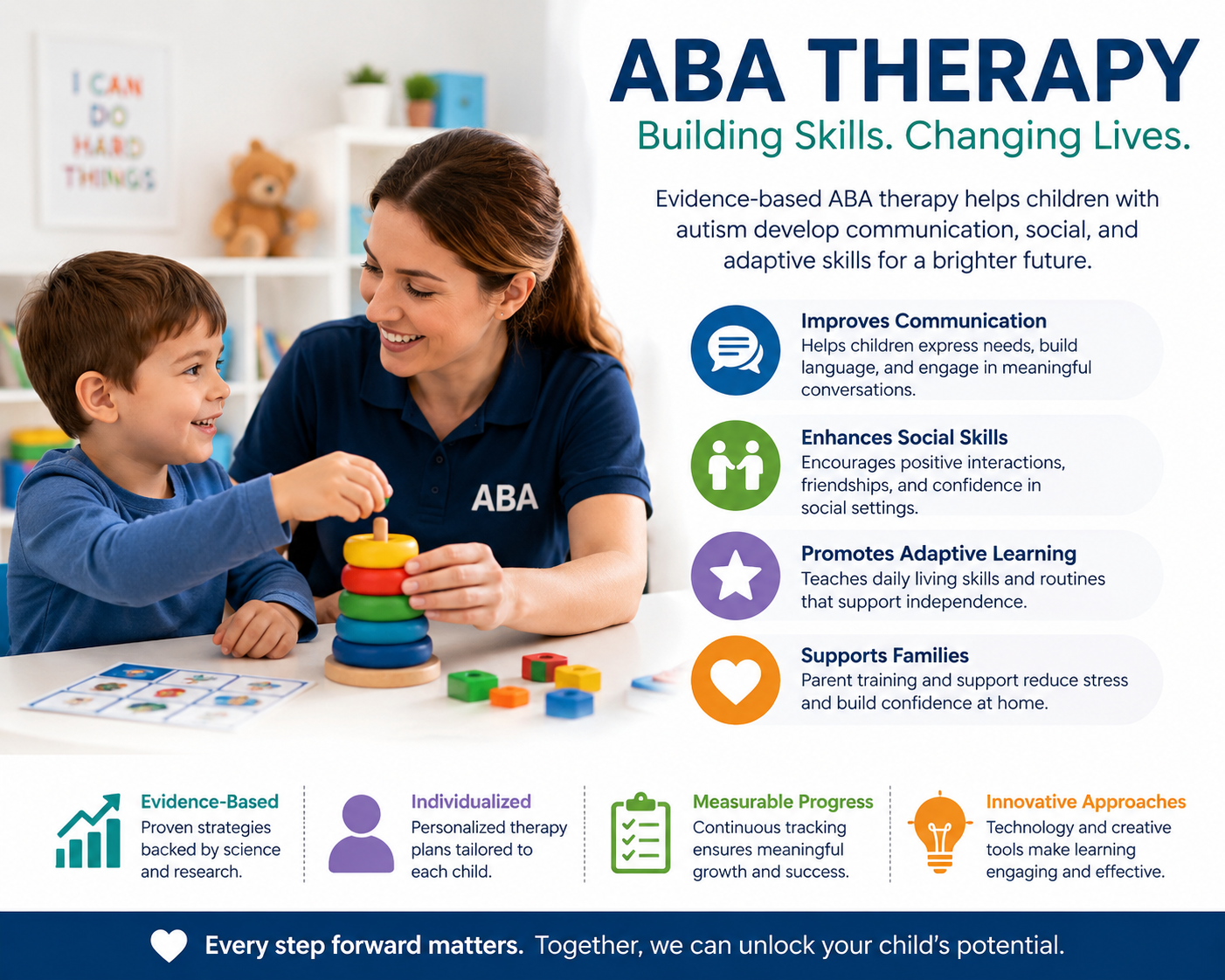
Applied Behavior Analysis (ABA) therapy stands as a foundational support for children with autism spectrum disorder (ASD) and their families. By utilizing evidence-based strategies, ABA therapy focuses on building communication, social, and adaptive learning skills through positive reinforcement. Whether families are seeking guidance on therapy options or professionals are evaluating care frameworks, quality ABA programs such as those provided by Triangle ABA offer hope and structure for individuals impacted by autism. At the heart of ABA therapy is the goal of transforming challenging or non-functional behaviors into meaningful and adaptive skills. For many, accessing these services marks the beginning of transformative progress in a child’s development. The foundation of ABA lies in behavioral science, but its effects profoundly ripple into family life, daily interactions, and long-term futures.
Table of Contents
Understanding ABA Therapy
ABA therapy is a structured, individualized approach rooted in the principles of learning and behavior. The core process involves breaking down complex skills, such as language, social interaction, and daily routines, into manageable steps. Through immediate positive reinforcement, children are encouraged to repeat helpful behaviors while reducing those that are harmful or disruptive. This clinical structure allows for systematic progress tracking and tailored support based on each child’s specific needs.
Early Intervention and Its Benefits
Research consistently highlights the dramatic improvements possible when ABA therapy begins at an early age. Early intervention maximizes the chance for children with ASD to acquire foundational skills, often leading to better communication, more robust social connections, and easier adaptability to daily routines. For example, case studies show that children who were once non-verbal often develop speech and the ability to interact meaningfully with family and peers after intensive ABA treatment.
Stories like those featured by leading institutions such as the Cleveland Clinic demonstrate the real-world transformation possible when therapy is started at a young age. Intensive, individualized intervention during critical developmental windows can change the life trajectory for many children on the autism spectrum.
Impact on Families
The benefits of ABA therapy extend well beyond the individual child. Parents and caregivers frequently experience reduced stress levels and improved confidence in guiding their child’s development. ABA programs often include parent training and support, which builds parents’ skills in applying behavioral strategies at home, reinforcing consistency and progress across settings. Results from pilot programs integrating new methods, such as mHealth ABA-related games, show promising outcomes both for children’s behavior and for parental stress reduction. In fact, over 80 percent of participating children were noted to achieve behavioral improvements while their parents reported up to a 50 percent decrease in stress, highlighting the holistic effect ABA therapy can have on the family unit.
Challenges in Accessing ABA Services
Despite the extensive advantages, many families struggle to obtain consistent, high-quality ABA therapy. Financial cost, insurance hurdles, and shortages of trained professionals can all impede access. For example, lapses in insurance contracts or shortages of therapists, such as what recently occurred in Arizona, put continuity of services at risk for hundreds of children who rely on ABA for developmental progress. These challenges are mirrored nationwide and have been discussed widely, such as in coverage by NPR’s report on autism therapy barriers. Policy advancements and stronger service networks are needed to stabilize access and broaden support for all families.
Innovations in ABA Therapy
To meet the growing and evolving needs of children and their support networks, the field of ABA is embracing innovation. New ABA curricula, like those from Bierman Autism Centers, focus on sequencing skills more efficiently, helping children to master foundational building blocks before advancing to more complex behaviors. Additionally, technology is revolutionizing therapy delivery through gamified and mobile resources, which increase engagement for children and provide therapists with valuable, real-time data. Such adaptations help address issues of scalability, accessibility, and novelty, making therapy more appealing to diverse learners and helping therapists monitor progress more thoroughly. Research into tech-based enhancements, such as the use of digital platforms for ABA, continues to expand and refine proven methods.
Conclusion
ABA therapy remains a pivotal resource for children with ASD and their families. Through the interplay of behavioral science, early intervention, and personalized support, ABA fosters growth in critical life skills and strengthens the family dynamic. While barriers such as cost and provider availability challenge access, ongoing innovation holds promise for enhanced reach and effectiveness. Ensuring all families can access ABA’s proven benefits requires joint efforts among providers, policymakers, and advocates dedicated to making a meaningful impact in the lives of children with autism.