
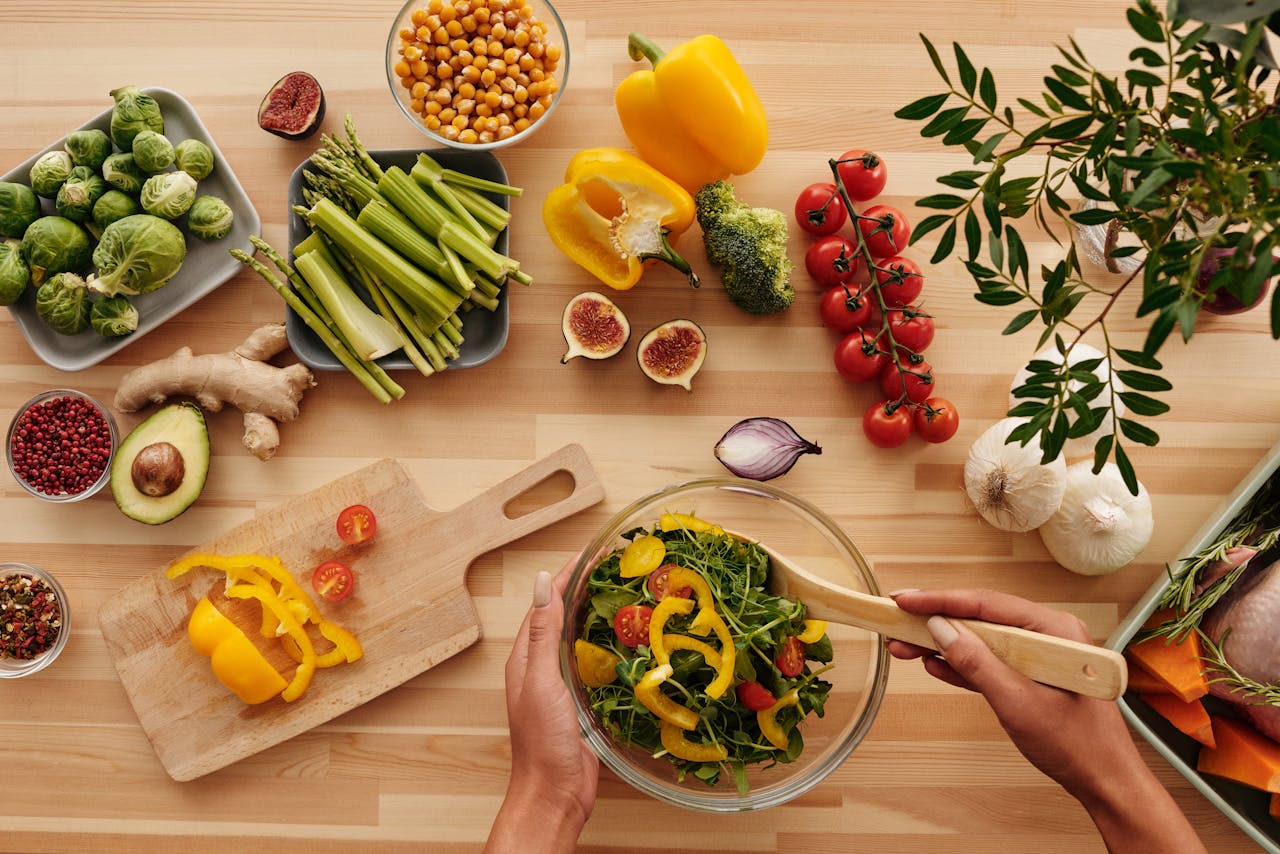
Want to give your body the best possible shot at healing?
Recovery is about much more than just putting the bottle (or pipe) down. Addiction really takes a toll on the body and one of the most neglected aspects of recovery is what you put on your plate. Food is fuel. Proper fuel can enhance your healing process in ways you never thought possible.
Here’s the reality…
Addiction affects billions of people worldwide. Per recent SAMHSA data, there were about 48.5 million Americans ages 12+ who suffered from a substance use disorder in one year. That’s a lot of people who need genuine help to recover.
And nutrition is a huge piece of that puzzle.
The good news?
Nutrition is something you can begin improving today. Proper nutrition is one of the many tools that you can use to help you recover from addiction. Not only does it repair the body, but it also calms the mind. What’s more, nutrition enhances the benefits of all your other treatments, like counseling and sleep. It works behind the scenes.
A quality treatment program doesn’t view nutrition as an afterthought, but as part of whole-person healing. That’s exactly the approach taken at Inner Voyage Recovery Center. Combine professional treatment with intelligent food choices. You’ve got a great recipe for sustainable recovery from addiction.
Let’s break it all down…
Table of Contents
Here’s What You’ll Uncover:
- Why Nutrition Powers Recovery
- The Nutrients Your Body Craves Most
- Simple Habits That Make It Stick
Why Food Is A Secret Weapon In Recovery
There’s something most people don’t realise…
Drug abuse starves the body silently. Food becomes an afterthought when a person is entrenched in addiction. Meals are skipped. Empty calories replace nourishment. Malnutrition and a myriad of vitamin deficiencies soon result.
This matters because your body uses nutrients to:
- Repair damaged organs and tissue
- Balance brain chemicals like serotonin and dopamine
- Steady your mood and energy levels
Eat nourishing food and your body recovers quicker and cravings become far easier to beat. Your brain heals itself. You regain energy. That fog you feel in your mind starts to lift. This piece of healing is often neglected though. Pathetically, even. Fewer than 7% of treatment programs utilize a nutritionist. That’s an opportunity missed. And one you can correct starting today.
Protein: The Body’s Repair Crew
Think of protein as your repair crew.
Addiction tears down muscle and tissue. Protein helps rebuild exactly that. It also aids your brain in creating “feel-good” chemicals that stabilize mood during the difficult early stages.
You don’t need anything fancy here. Just focus on simple, whole protein sources like:
- Eggs
- Chicken and fish
- Beans and lentils
- Greek yoghurt
- Nuts and seeds
Eat protein throughout the day, rather than in one single meal. It’ll allow you to maintain your energy levels and provide your body with nutrients to rebuild overnight and while you’re awake. Easy-peasy.
Healthy Fats: Fuel For A Foggy Brain
Here’s something a lot of folks get completely wrong…
Fat isn’t bad. Your brain is almost 60% fat and requires healthy fat to function optimally. After prolonged drug or alcohol use your brain is foggy and sluggish. Healthy fats help dissipate that fog.
The best fats to reach for include:
- Avocados
- Olive oil
- Salmon and other oily fish
- Walnuts and chia seeds
These omega-3 fats reduce inflammation and promote clearer thinking. They truly are food for your brain.
Vitamins & Minerals: Filling The Empty Tank
But here’s the biggie…
Most people in early recovery are vitamin and mineral depleted. Studies have shown that those with substance use disorders are significantly more likely to lack essential nutrients than the general population.
Common gaps include:
- B vitamins (for energy and nerves)
- Vitamin C (for the immune system)
- Vitamin D (for mood and bones)
- Magnesium and zinc (for sleep and healing)
One colorful plate of fruit and vegetables will cover most of these requirements by itself. If you want to supplement the rest, a daily multivitamin can help. But make sure to consult your doctor before beginning any multivitamin regimen.
Cravings & Hydration: Two Quiet Fixes
This one surprises a lot of people…
Cravings can sometimes be hunger or thirst disguised as something else. When you crash your blood sugar, your body craves simple carbs and that feels JUST like a craving.
The solution is wonderfully simple:
- Eat regular, balanced meals
- Never skip breakfast
- Sip plenty of water through the day
Dehydration alone can lead to headaches, low mood and fatigue—all of which make staying on track more difficult. Just make sure you always have a bottle of water nearby.
Gut Health: Where Your Mood Begins
Did you know your gut and your brain are best friends?
The majority of your “happy” hormones are made right here in your gut. A happy gut equals a more balanced mood and less cravings. An unhappy gut makes everything seem twice as difficult.
To look after your gut, slowly add foods like:
- Yoghurt and kefir
- Fermented foods such as kimchi or sauerkraut
- Fibre-rich fruit, veg and whole grains
Repairing the gut doesn’t happen overnight, but every healthy meal helps move you along.
Building Habits That Actually Stick
Now for the part that ties it all together…
It’s one thing to know what you should be eating. It’s a whole other ball game to actually do it every day. Make it easy and build a lifestyle you can maintain.
A few easy habits go a long way:
- Plan your meals ahead of time
- Keep healthy snacks within easy reach
- Cook in batches to save time and effort
- Eat at roughly the same times each day
Healthy habits eliminate the guesswork when it comes to eating well. Rather than depending on willpower, you depend on a system. Eventually these small decisions become automatic and one with your wellness journey.
Bringing It All Together
Nutrition alone won’t take the place of therapy, support groups or professional care. However, good nutrition can be a powerful ally to all of them. When your body is well nourished, your mind has a much better opportunity to recover.
To quickly recap:
- Load up on protein to rebuild your body
- Eat healthy fats to clear the brain fog
- Fill the gaps with vitamins and minerals
- Stay hydrated and manage your cravings
- Care for your gut and build steady habits
Addiction recovery and health go hand in hand like nothing else. Food is one of the easiest things you can use to your advantage. Make one small change today and allow your body to do the amazing thing it was created to do… heal.
And never forget… When you or a loved one need help, picking up the phone and calling a professional recovery program is ALWAYS the best first step.