
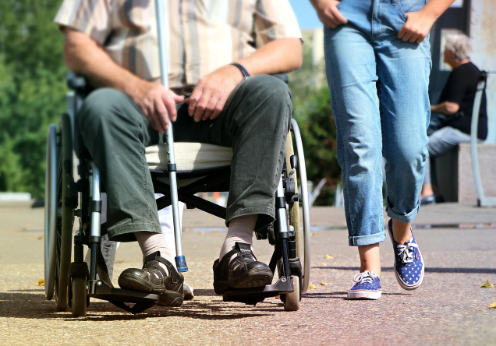
A traumatic physical event can shake up your entire life.
Bruises fade. Bones heal. But what happens mentally can linger if not properly taken care of.
Whether your injury was caused by a car accident, work accident or nasty fall on someone’s property, the stress and PTSD that ensues can be just as damaging as your injury itself. If not more.
Here’s the thing:
You don’t have to simply “power through” it. There are proven ways to cope with the mental aftermath of physical trauma…
And this article walks through all of them.
Table of Contents
Here’s what’s inside:
- What Happens To Your Brain After Physical Trauma
- Common Signs Of PTSD & Anxiety After An Accident
- How A Slip And Fall Claim Fits Into Recovery
- 5x Practical Strategies To Manage Anxiety & PTSD
- When To Get Professional Help
What Happens To Your Brain After Physical Trauma
Your body has a built-in threat response system. It’s designed to keep you safe.
Whenever you encounter something frightening, your body pumps itself full of stress hormones like adrenaline and cortisol. This reaction is commonly known as “fight or flight”…
And it’s actually a good thing.
The issue occurs when your brain remains in survival mode well after the threat has passed. WHO statistics reveal that about 5.6% of people develop PTSD following a traumatic event.
That doesn’t sound like very many. But accidents happen millions of times each year. Think of how quickly that number grows. There are about 9 million Americans who suffer from PTSD at any given moment.
One of the most frequent causes is physical trauma. Whether you broke a bone, suffered a concussion, or have a legitimate slip and fall claim due to a wet floor, your body and mind are affected. There are thousands of slip and fall accidents in Dallas each year. That’s thousands of people that should speak with a personal injury lawyer in Dallas right away to relieve some of your stress so you can focus on your psychological healing.
Common Signs Of PTSD & Anxiety After An Accident
PTSD doesn’t always look like what movies show you.
Sometimes it’s obvious. Sometimes it doesn’t hit you for weeks…or months after the accident happened. Reviewing a large group of accident survivors, 40% experienced PTSD symptoms as soon as one month after the crash.
Here are the most common signs to watch for:
- Flashbacks: Reliving the event through vivid memories or nightmares
- Avoidance: Steering clear of anything that reminds you of the accident
- Hypervigilance: Feeling constantly “on edge” or jumpy
- Mood changes: Feeling numb, angry, sad, or hopeless
- Physical symptoms: Racing heart, sweating, trouble sleeping
Some people brush these off as “just stress”…
However, they can spiral out of control quickly if left unchecked. The sooner you recognize the warning signs, the sooner you can get back on track.
Anxiety is often accompanied by PTSD. You may feel your heart racing whenever you get into a car, walk by where you fell at the store, or hear a triggering sound.
That’s your brain trying to protect you…
Just doing it a bit too aggressively.
How A Slip And Fall Claim Fits Into Recovery
Here’s something a lot of people don’t realise…
Dealing with the legal aspect of your accident can be a form of emotional recovery. Filing a slip and fall claim isn’t just about financial restitution. It’s about closure.
Here’s why this matters:
- Financial stress decreases — Therapy, medicine, and missing work costs money
- Accountability is delivered — Holding a negligent property owner accountable can bring emotional closure
- Structure is created — You have a plan of attack when working with a legal team
Dealing with anxiety and PTSD is bad enough, you don’t need the added stress of money troubles. A strong slip and fall claim allows you space to recover.
Remember…Time runs out on most legal claims. Don’t wait too long or you could lose your right to compensation forever.
5x Practical Strategies To Manage Anxiety & PTSD
Ok, now for the fun part. Here are 5 things that work for PTSD/anxiety following trauma.
Talk To A Trauma-Trained Therapist
This is the number one thing you can do.
Routine therapy is good. Trauma-focused therapy is next level. Therapies such as Cognitive Behavioural Therapy (CBT) and Eye Movement Desensitization and Reprocessing (EMDR) were designed with trauma in mind.
Good news? Up to 40% recover within a year with the right treatment.
Move Your Body Daily
Exercise is basically free medicine.
It helps release endorphins, lowers stress hormones, and promotes better sleep. Sometimes, just a 20 minute walk can turn your day around. Try to move every day, even if it’s just a little stretching.
Build A Support System
Isolation makes PTSD worse.
Seek support from friends, family, or support groups. Simply having someone who “understands” can make all the difference. There are many free support groups for survivors of accidents both online and locally.
Practice Mindfulness Or Meditation
You don’t need to sit cross-legged on a mountain.
10 minutes a day of deep breathing or guided meditation. Sounds counterintuitive right? Doing this daily will reprogram your nervous system over time. Calm and Insight timer are good meditation apps if your new to it.
Prioritise Sleep
Sleep is when your brain processes trauma.
Avoid screens 1 hour before bedtime. Keep your sleeping environment cool and dark. Try a relaxing ritual like reading or taking a hot shower. Good sleep improves mental health period.
When To Get Professional Help
Here’s the honest truth…
If these symptoms are interfering with your daily life, it’s time to call a professional. There is no shame in that.
You should reach out to a mental health professional if:
- Symptoms last longer than a month after the event
- You’re avoiding work, family, or normal activities
- You’re using alcohol or drugs to cope
- You have thoughts of self-harm
Seeking mental health treatment shouldn’t be your “last resort.” It can significantly enhance healing.
Bringing It All Together
Recovery from a traumatic physical event takes time…
And recovering from all this is more than skin deep. Anxiety, PTSD etc. are very real things. Please don’t try to bottle it up either.
Here’s a quick recap of what actually works:
- Recognise the warning signs early
- Get professional trauma support
- Handle the legal side (like a slip and fall claim) to reduce stress
- Move your body every day
- Lean on your support system
- Prioritise sleep and mindfulness
Each day matters. Daily victories become BIG changes. Your journey back to you is 100% possible.