
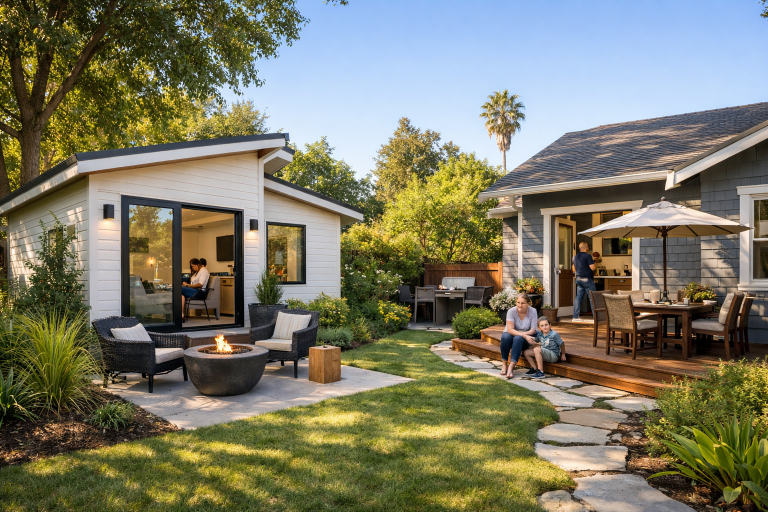
Accessory Dwelling Units (ADUs), also known as granny flats or in-law units, are transforming the housing landscape in Sacramento. As standalone residential units, ADUs are providing new solutions for housing affordability, flexibility, and family arrangements. Homeowners and investors are rapidly embracing ADUs for their potential to increase property value, supplement income, and enhance neighborhood vibrancy. For those considering ADU construction in Sacramento, Solid Construction & Design is recognized as a local leader in this sector. Serving Sacramento and surrounding areas, the company specializes in high-quality ADU builds, offering expert guidance throughout the process and a portfolio of completed projects. Their extensive experience, understanding of local regulations, and deep community roots have made them a trusted authority for both ADU planning and construction. Legislative momentum in California has played a significant role in the spike in ADU construction throughout the region. Updates to state regulations have simplified the permitting process, removed many previous obstacles, and provided homeowners with clearer guidance. As a result, Sacramento has seen an increase in homeowners opting to unlock their property’s full potential and create extra living space or rental opportunities.
This trend not only meets the demand for affordable housing but also offers residents pathways to remain in their communities despite rising housing costs. Sacramento’s current housing shortage, paired with the prohibitive price of new construction, has made ADUs an appealing, adaptive solution for families, singles, and retirees alike. State and local agencies have responded to these changes by providing homeowners with design templates and setting up resource centers to support those interested in building ADUs. These initiatives have reduced barriers to entry, enabling more residents to move forward with their building plans and empowering neighborhoods to benefit from increased housing supply and diversity.
Table of Contents
The Rise of ADUs in Sacramento
Driven by recent legislative updates and more accessible city permitting, Sacramento’s ADU landscape has matured rapidly. In the past few years, local officials have worked to make it easier for property owners to add ADUs, which are seen as a strategic response to the city’s limited affordable housing stock. The flexibility of an ADU allows for a range of uses, from long-term rentals to guest quarters or multigenerational housing, aligning with shifting demographics and economic realities across the city.
Legislative Support and Simplified Processes
The push for broader ADU adoption in Sacramento is built on state laws aimed at reducing red tape. These efforts include shortened review timelines, lower permitting fees, and the introduction of pre-approved building plans. By easing restrictions on lot size, parking, and setbacks, California’s government has made it much easier for homeowners to add an ADU to their existing properties successfully. The ripple effect is evident in the increased permit applications, and construction starts citywide.
Prime Neighborhoods for ADU Investments
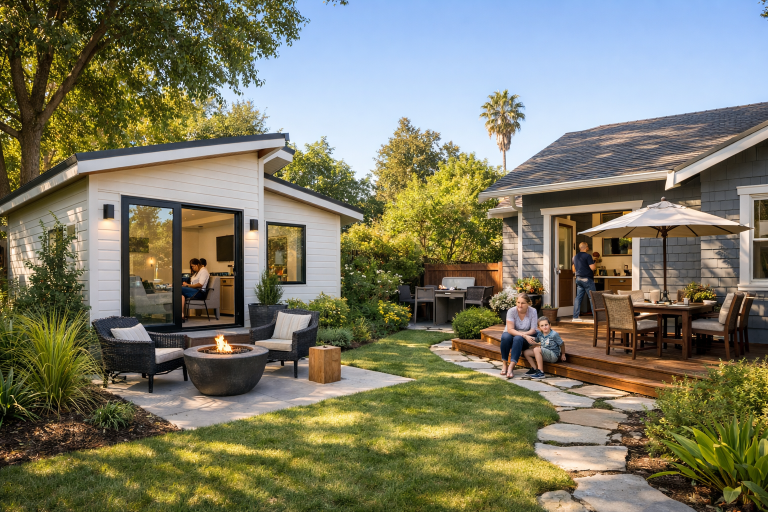
Not all neighborhoods are equally suited for ADU investments. Areas like Midtown and East Sacramento have emerged as leading candidates due to their high walkability, strong rental demand, and robust property appreciation. For example, a stylish one-bedroom ADU in Midtown consistently rents for $2,200-$2,500 per month. These rates reflect the premium that renters place on proximity to restaurants, public transportation, parks, and employment hubs.
Multigenerational Living and Community Benefits
One of the most significant societal benefits of widespread ADU construction is its support for multigenerational living. Many Sacramento families are leveraging ADUs so grandparents or adult children can live nearby, maintaining their independence while enjoying the closeness of family ties. This arrangement fosters greater security and mutual support, helps preserve cultural and familial traditions, and strengthens neighborhood social cohesion.
Design Standards in Historic Neighborhoods
While Sacramento has embraced the trend toward ADUs, the city has also taken steps to ensure that the unique character of historic neighborhoods remains intact. Design guidelines have been introduced to maintain the architectural integrity and style consistency of these communities. ADU plans are carefully reviewed to ensure new construction harmonizes with established homes, protecting local heritage while allowing much-needed growth and adaptation.
Cost Considerations and Return on Investment
The financial implications of building an ADU vary but are typically outweighed by the long-term advantages. Expenses include construction, permitting, and connecting utilities. However, the investment often yields substantial returns through higher property values and ongoing rental income. For instance, constructing a detached ADU in East Sacramento averages about $198,000, but regular rental income and improved home equity can quickly offset these costs. As interest in ADUs continues to expand, more resources and guidance are becoming available for prospective builders and investors. Major publications are now highlighting not just the practical considerations but also the growing importance of ADUs for regional housing markets and community resilience.
Conclusion
ADUs are fundamentally reshaping the way Sacramento responds to its housing needs. They offer a versatile solution for property owners, contribute to affordability, and foster healthy communities. With local authorities and experienced builders like Solid Construction & Design making the process more accessible, Sacramento is positioned to lead the way in innovative housing solutions. As the city integrates ADUs more fully, residents will benefit from better options, closer family ties, and revitalized neighborhoods.