
Coastal living offers a unique blend of serene natural landscapes and vibrant community life, inviting residents to enjoy the rhythm of the tides alongside modern conveniences. However, maintaining harmony between daily life and the delicate coastal environment requires thoughtful planning and conscious choices. Sustainable practices, such as minimizing energy use, protecting local ecosystems, and choosing environmentally responsible construction methods, play a crucial role in ensuring that these scenic areas remain pristine for generations to come.
For those considering a move to a coastal setting, understanding how to balance lifestyle needs with environmental stewardship is key. Communities with careful planning often feature homes that respect local habitats, reduce waste, and encourage outdoor living without compromising comfort. Exploring options like Playa Flamingo homes for sale can provide insight into properties designed with both natural preservation and modern amenities in mind, reflecting the growing demand for mindful coastal residency. Incorporating eco-friendly landscaping, energy-efficient designs, and sustainable materials further enhances the long-term benefits of living in harmony with the coast.
Table of Contents
- 1 Sustainable Building Materials and Practices
- 2 Integration of Smart Home Technologies
- 3 Minimalist Aesthetics with Natural Elements
- 4 Community-Centered Wellness Initiatives
- 5 Resilient Landscaping and Living Shorelines
- 6 Eco-Friendly Waterfront Upgrades
- 7 Balancing Luxury and Sustainability
- 8 Conclusion
Sustainable Building Materials and Practices
Modern coastal construction increasingly relies on environmentally sensitive materials that not only withstand harsh conditions but also limit the home’s ecological footprint. Reclaimed timber, responsibly sourced bamboo, and recycled steel set the standard for durability, and fiber cement siding offers exceptional resistance to salt air, high winds, and moisture. Roofing choices, such as solar-reflective tiles, further improve energy efficiency and reduce heat absorption, lowering overall utility costs for homeowners while enhancing the property’s long-term value. The U.S. Department of Energy notes that homes built with high-performance eco-materials experience lower energy consumption and maintenance expenses, benefiting both the environment and homeowners.
Integration of Smart Home Technologies
Coastal homes benefit greatly from modern smart technologies, which are rapidly becoming the norm in waterfront communities. Automated systems allow homeowners to efficiently control lighting, temperature, humidity, and even irrigation, minimizing waste and maximizing comfort. For example, automated climate scheduling adapts heating and cooling for seasonal living, and smart sensors monitor for leaks or flooding—critical in areas prone to violent storms or shifting tides. High-end homes increasingly feature outdoor kitchens and entertainment zones that seamlessly transition between indoor and alfresco settings without compromising energy savings, making the most of every square foot and breathtaking view.
Minimalist Aesthetics with Natural Elements
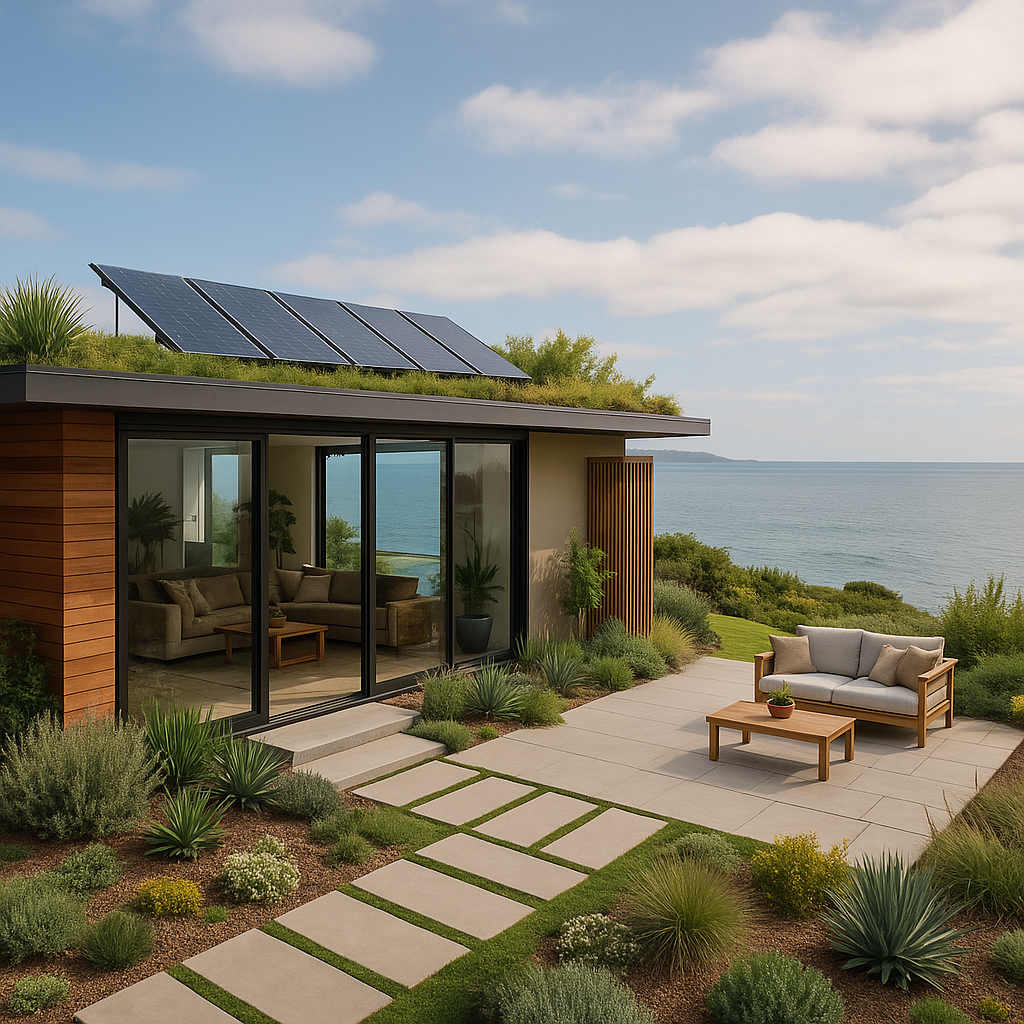
Minimalism and natural accents are integral to the modern coastal aesthetic, creating tranquil interiors that honor their surroundings. Neutral palettes, natural stone, woven fibers, and abundant daylight form a soothing backdrop, allowing the shifting colors of sky and surf to become living art. Multi-functional, streamlined furniture contributes to a feeling of openness, supporting both practical living and relaxation. By focusing on quality over clutter, homeowners shape restorative spaces that echo the simplicity and elegance of shoreline living.
Community-Centered Wellness Initiatives
Resilient coastal communities emphasize wellness that goes beyond personal health to include caring for the environment. Many beach towns provide accessible programs such as sunrise yoga, outdoor group exercises, and mindfulness classes, complemented by strong marine conservation initiatives and sustainable seafood education. These collective activities teach adults and children to appreciate and safeguard their marine environment, strengthening community bonds and cultivating a shared responsibility for the coast’s future.
Resilient Landscaping and Living Shorelines
Coastal landscaping is evolving, with a shift toward native plantings, permeable pavers, and living shoreline projects engineered to combat erosion. By selecting salt- and wind-tolerant species like dune grass and sea oats, property owners maintain natural defenses while supporting local pollinators and bird species. Large-scale living shoreline projects—such as those recently implemented in South Carolina—showcase how combining strategic plantings with oyster shell barriers can dramatically reduce land loss, create crucial wildlife habitats, and buffer properties from the worsening impact of severe weather.
Eco-Friendly Waterfront Upgrades
Waterfront living spaces can be thoughtfully optimized for sustainability. Upgrades like energy-efficient appliances, composite decking, LED pathway lighting, and rain gardens not only reduce the environmental burden but also help manage stormwater runoff. Permeable walkways and raised beds improve drainage, safeguard plant health, and lessen the risk of flooding. These efforts pay off by elevating both property value and long-term livability, making every enhancement a win for residents and the ecosystem alike.
Balancing Luxury and Sustainability
Cities across the globe are demonstrating that luxurious living and green values need not be at odds. Places like Newport Beach are leading by example—banning single-use plastics, embracing green infrastructure projects, and incentivizing energy efficiency in new developments. Such initiatives prove that premium lifestyles and environmental guardianship can go hand in hand, setting a new standard for what it means to live well on the coast without compromising its beauty and biodiversity.
Conclusion
Sustainable coastal living is not merely a trend but a thoughtful, necessary evolution of modern lifestyles in sensitive environments. By integrating durable eco-materials, cutting-edge technologies, minimalist aesthetics, and collaborative community wellness, coastal homeowners play a pivotal role in nurturing and protecting shorelines. These actions not only secure natural beauty for future generations but also enhance comfort, health, and collective prosperity along the world’s treasured coasts.