
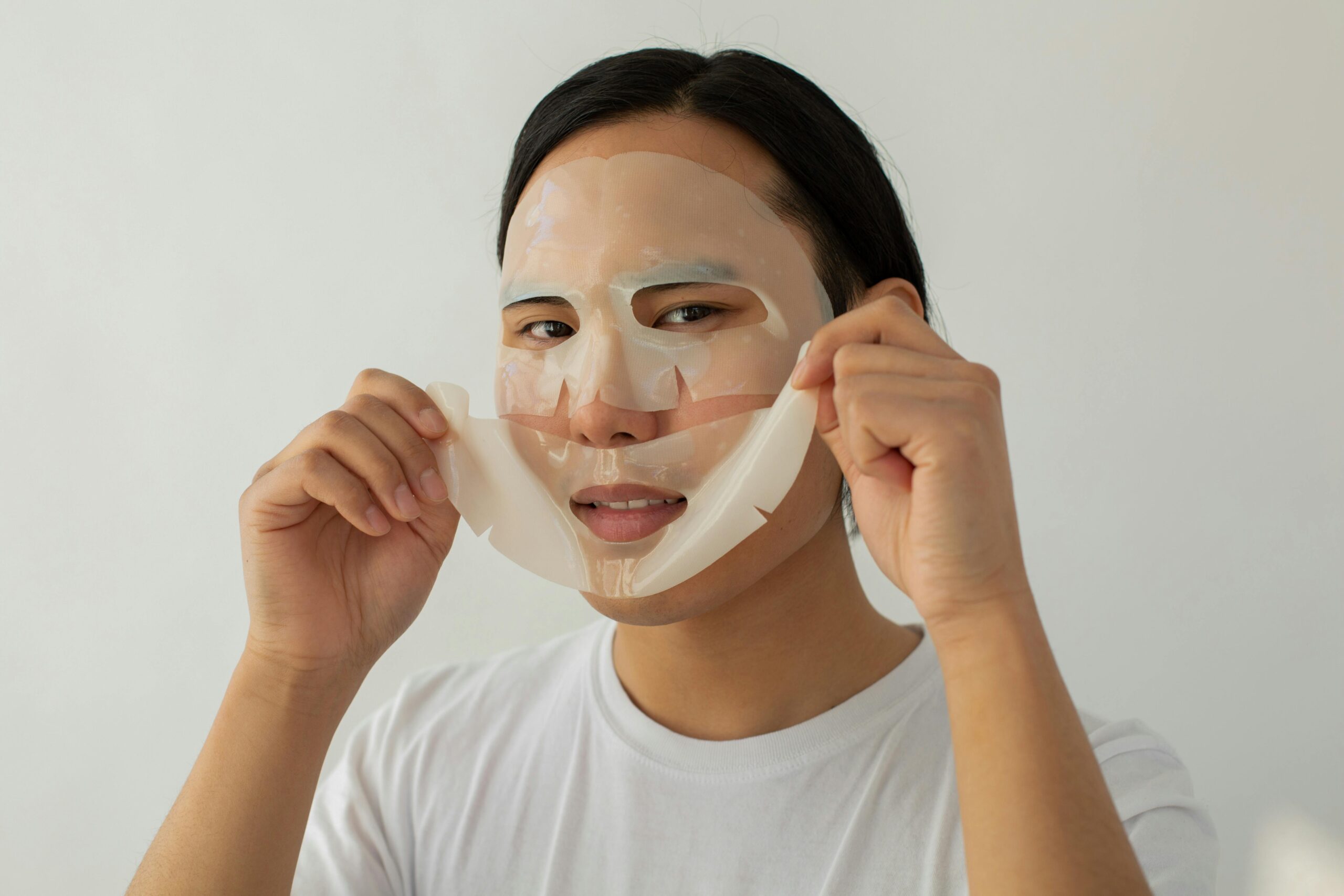
 Traveling. It’s one of life’s greatest joys. Unless…
Your skin freaks out.
Bad climate changes, dry airplane cabin air, different water composition, and lack of sleep are all stressors that attack your skin at the same time. That means inflammation trying to rear its head, staying as long as it pleases, and refusing to listen to reason — even for those who typically don’t have skin issues back home.
Fortunately:
There are treatments — some of which you likely haven’t heard of — that can help keep skin inflammation in check while traveling. Some of them will surprise you.
Here’s what to know.
Table of Contents
TABLE OF CONTENTS
- Why Travel Makes Skin Inflammation Happen
- Warning Signs Most People Ignore
- Treatments You Haven’t Considered
- The Simplest Skin Routine For Keeping Travel Skin Healthy
Why Travel Makes Skin Inflammation Happen
Skin inflammation occurs when your body’s immune system tries to heal damage, irritation or unfamiliar triggers.
When you travel, you expose your skin to a variety of stressors all at once. Dry airplane cabin air dehydrates your skin barrier within hours of takeoff. Climate changes force your skin to contend with humidity percentages and UV indexes it hasn’t adapted to. Hotel showers often contain excess chlorine. Not to mention actual travel stress itself — which has been clinically proven to increase inflammatory skin reactions.
What most people don’t realize…
Even mild skin inflammation can develop into something much more stubborn if left untreated. Skin conditions are the third most common illness among travelers worldwide — after gastrointestinal issues and fever. That’s a LOT of people with reactive, inflamed skin who don’t always know how to manage it.
Skin inflammation while traveling isn’t just annoying. It can become a serious health issue if left untreated.
Warning Signs Most People Ignore
Skin inflammation doesn’t always present as a red rash.
Oftentimes it starts small — which is exactly why it’s easiest to treat. Common signs include:
- Redness or flushing around your nose and cheeks
- Random acne breakouts or cystic acne flare-ups
- Dry, tight or peeling skin that wasn’t an issue before travel
- Raised, itchy patches or hive reactions after exposure to sun or pool water
- Insect bites that become swollen or raised far past the typical reaction size
The sooner you can catch these symptoms and treat them, the easier solutions will be. That’s where most people slip up.
Treatments You Haven’t Considered
Guess what most people reach for when their skin acts up while traveling?
Creamy lotion. Oh yeah, and hope.
But serious skin inflammation rarely goes away with just any old moisturizer. There are treatments that can help — and we’re about to dive into some you likely haven’t considered. (Hint: They work.)
Topical Ivermectin
Wait…what?!
Ivermectin is most commonly known for its use as an anti-parasitic drug. But clinical studies have proven its anti-inflammatory properties to effectively fight and control skin inflammation — specifically for acne and rosacea. Studies exploring ivermectin for acne explain how it combats the redness, pustules and irritation commonly associated with inflammatory acne. Acne that travel loves to trigger. If you suffer from chronic skin inflammation that doesn’t respond to typical over-the-counter products, it’s worth discussing with your dermatologist before your next big trip.
Pretty cool, huh?
Niacinamide Serums
One of the most under-utilized skincare ingredients.
Niacinamide works to strengthen your skin barrier, reduce redness and regulate excess oil production. All of which is necessary when your skin is being attacked by new environments. Works for all skin types, too. And holds up under rainy season humidity as well as arid desert climates. Throw a travel-sized bottle in your carry-on and see the results for yourself.
Colloidal Oatmeal
This one sounds unusual — but stay with it.
Colloidal oatmeal (think: super finely milled oat flour that’s used in medical-grade skincare) has real anti-inflammatory benefits backed by clinical studies. It reduces irritation, soothes itchy inflamed skin and replenishes moisture lost from sitting in airplane cabins. Bonus points for using after sun exposure or chlorinated pools. Comes in cream and lotion form. And works for even the most sensitive skin.
Oral Antihistamines
An oral antihistamine can help curb allergic reactions before they become severe.
If your skin reacts to an allergen like unfamiliar plant life, foods, fabrics or insect bites — taking something like loratadine or cetirizine can help stop inflammation in its tracks. Non-drowsy formulas are widely available and work wonders for reactive, allergy-prone skin types. Inexpensive, too. Worth having in your travel kit no matter where you go.
Barrier Repair Creams
Your average moisturizer sits on top of your skin.
Barrier repair creams actually help repair a damaged skin barrier. Things like ceramides, fatty acids and cholesterol help skin retain moisture and fight off environmental irritants. Travel does a number on that skin barrier with dehydration and harsh climate changes. Repair creams are one of the fastest ways to heal. Research suggests nearly two-thirds of people examined had at least one skin abnormality. Travel might just do the same thing to you without you even realizing it. Don’t wait for skin inflammation to show up. Start your repair process pre-flight.
The Simplest Skin Routine For Keeping Travel Skin Healthy
Here’s the secret.
Keep. It. Simple.
Your skincare routine doesn’t need to be complicated when you’re traveling. In fact, simpler is usually better when you’re stuffing everything you “need” into the front pockets of your suitcase.
Morning:
- Gentle cleanser (fragrance-free preferred)
- Niacinamide serum
- Moisturizer with SPF
Evening:
- Gentle cleanser (fragrance-free preferred)
- Targeted treatment product for any active inflammation
- Colloidal oatmeal cream if your skin feels extra tight or reactive
During your flight:
- Minimize heavy makeup with lightweight, breathable products
- Moisturize with a thick cream before boarding (fragrance-free preferred)
- Drink more water than you think you’ll need during the flight
Products to always keep on hand:
- Oral antihistamines for unexpected allergic reactions
- Hydrocortisone cream for unexpected bug bites or skin reactions
- An SPF stick you can apply to your face and neck
That’s it. Truth is, most people don’t stick to a routine when their travel skincare suffers. And once it suffers, inflammation knows exactly what to do.
Wrapping Things Up
Skin inflammation while traveling is much more common than you might think.
But it can also be controlled (and prevented) with the right knowledge. Skincare treatments like niacinamide serums, colloidal oatmeal, barrier repair creams, and oral antihistamines can do so much more than your average travel moisturizer.
Let’s do a quick recap:
- Prepare for your skin triggers before you leave home
- Bring treatments for skin problems you’re susceptible to
- Address warning signs and symptoms as early as possible
- Develop and maintain a simple skincare routine while away
Your skin is your body’s largest organ. And it deserves the same amount of care and preparation as the rest of your travel essentials.