
Table of Contents
- 1 Designing a Custom Hot Beverage Service for Your Wedding Day
- 2 Selecting the Right Commercial Equipment and Dispenser Types
- 3 Operational Logistics: Temperature, Safety, and Service Flow
- 4 Hygiene, Maintenance, and Waste Reduction Strategies
- 5 Frequently Asked Questions About Wedding Beverage Stations
- 6 Conclusion
Designing a Custom Hot Beverage Service for Your Wedding Day
Creating a memorable Custom hot beverage service for your wedding day begins with thoughtful planning tailored to your unique event. Consider your guest count, the time of year, and the overall ambiance you wish to achieve. A well-designed service goes beyond just offering coffee; it encompasses a diverse menu, elegant presentation, and efficient delivery. By carefully considering these elements, you can ensure your guests feel pampered and refreshed throughout your celebration.
Crafting a Custom Hot Beverage Service Menu for Different Seasons
The season of your wedding significantly influences the ideal hot beverage menu. For a cozy autumn or winter wedding, imagine guests warming up with rich, gourmet hot chocolate, perhaps with a self-serve topping bar featuring whipped cream, marshmallows, and chocolate shavings. Spiced cider, infused with cinnamon sticks and cloves, offers a comforting, aromatic alternative. Specialty teas, ranging from robust black teas to delicate herbal infusions, can cater to diverse preferences. For coffee lovers, a craft coffee station with different roasts and flavor syrups allows for personalized creations.
Spring and summer weddings can still benefit from hot beverages, particularly during cooler evenings or for guests who prefer them. Lighter teas, such as green tea or peppermint, can be refreshing. Iced coffee and tea options can also be integrated to provide a full spectrum of choices, catering to both warm and cool preferences. The key is variety and quality, ensuring there’s something delightful for everyone.
Incorporating Specialty Milk and Plant-Based Alternatives
In October 2026, dietary preferences and restrictions are more diverse than ever, making it crucial to offer inclusive options. Specialty milk and plant-based alternatives like oat milk and almond milk are highly popular and should be a staple at your hot beverage station. However, handling these alternatives, especially milk-based products, requires careful consideration.
Dairy safety is paramount. Milk and cream must be kept at appropriate temperatures to prevent spoilage. For bulk dispensing, milk-based beverages like lattes or hot chocolate require machines with gentle heating mechanisms to prevent scorching, which can ruin flavor and texture. Separate thermal carafes for different milk types are often the best solution to ensure both food safety and to prevent allergen cross-contamination. Clearly labeling each option is essential for your guests’ peace of mind and enjoyment.
Selecting the Right Commercial Equipment and Dispenser Types
The success of your wedding’s hot beverage service heavily relies on selecting the appropriate commercial equipment. Factors like dispenser capacity, flow rate, and power ratings are critical to ensure a seamless experience, especially when managing lines of eager guests. The right equipment guarantees consistent quality and efficient service, preventing bottlenecks and keeping beverages at their optimal temperature.
Feature / Type Insulated Dispensers Electric Dispensers Power Requirement None (passive thermal retention) Requires consistent electrical outlet Heat Retention 4-6 hours (up to 8 for premium models) Continuous heat, maintains precise temperature Portability High – ideal for outdoor/remote locations Moderate – limited by power source, often heavier Capacity Range Typically 3-10 liters Can range from small to 30+ liters Best Use Case Outdoor events, pre-batched drinks, remote stations Indoor venues, continuous high-volume service Cost Efficiency Lower operating cost (no electricity) Higher operating cost (electricity consumption) Temperature Control Gradual temperature drop over time Precise, adjustable temperature control
Insulated Servers vs. Commercial Electric Dispensers
When choosing equipment for your wedding, you’ll primarily consider insulated servers and commercial electric dispensers. Insulated models are fantastic for their thermal retention capabilities, keeping beverages hot for 4-6 hours, and sometimes up to 8 hours for premium units, without needing an electrical hookup. This makes them ideal for outdoor setups, cocktail hours in remote areas of your venue, or as backup options. Many feature double-walled stainless steel construction, which not only keeps the contents hot but also keeps the exterior cool to the touch, enhancing safety.
Electric dispensers, on the other hand, provide continuous, precise heat, ensuring beverages remain at an exact serving temperature throughout your event. They are perfect for indoor venues where power access is readily available and for high-volume needs where sustained heat is crucial. While less portable, their ability to maintain consistent temperatures makes them a reliable choice for the main reception area.
High-Volume Draft Systems and Hot Water Boilers
For those looking to elevate their service or handle extremely high volumes, specialized equipment like high-volume draft systems and hot water boilers come into play. Hot draft coffee dispensers, for instance, can deliver an impressive 96 ounces per minute, equivalent to six 16-ounce tumblers. This rapid dispensing capability is a game-changer for peak rushes, ensuring guests receive their drinks quickly without long queues. These systems often use nitrogen to maintain freshness and can be a unique, modern addition to your beverage offerings.
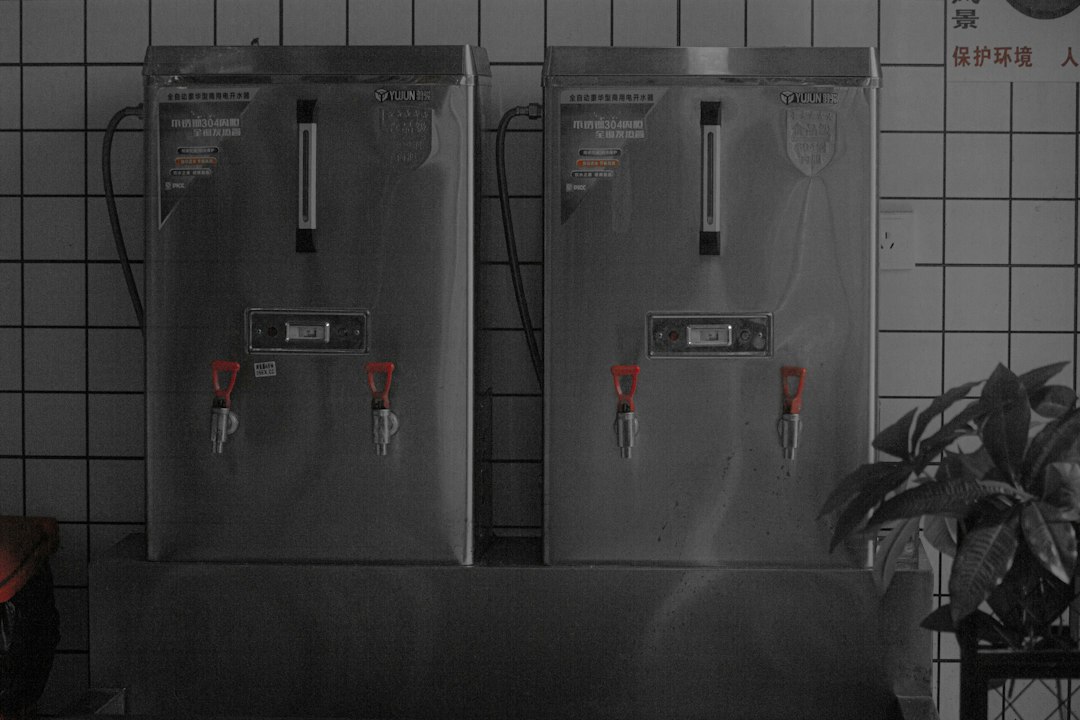
Hot water boilers are another essential piece of equipment, particularly for tea service or for guests who prefer instant coffee or cocoa. They provide a continuous supply of hot water, often delivering up to 100 cups per hour, which is crucial for a large wedding. This eliminates the need for multiple kettles and ensures that hot water is always available at the perfect temperature, streamlining service and enhancing efficiency.
Operational Logistics: Temperature, Safety, and Service Flow
Beyond selecting the right equipment, the operational logistics of your hot beverage service are critical for a smooth and safe experience. This includes maintaining proper food safety standards, ensuring consistent temperatures, and designing an efficient service flow to prevent congestion.

Food safety is non-negotiable. Hot beverages, especially those containing milk, must be held at or above 135°F (57°C) to inhibit microbial growth, as per FDA guidelines. Preheating dispensers with hot water before adding beverages can help maintain the desired temperature from the start. Careful attention to service traffic flow and spill prevention is also vital to keep your guests safe and the service area tidy.
Wedding Hot Beverage Station Safety Essentials:
- Stable Placement: Ensure all dispensers are on level, sturdy surfaces away from edges.
- Temperature Monitoring: Regularly check beverage temperatures with a food-safe thermometer.
- Clear Labeling: Label all beverages and milk alternatives clearly to prevent confusion and allergic reactions.
- Spill Kits: Have readily available towels and cleaning supplies for immediate spill cleanup.
- Electrical Safety: If using electric dispensers, ensure cords are not trip hazards and connections are secure.
- Guest Awareness: Place signage advising guests of hot contents and caution when handling cups.
Managing Peak Demand During Reception Transitions
Weddings often have peak moments when guests simultaneously seek refreshments, such as during the dessert hour or a break from dancing. To manage this high capacity demand effectively, consider strategies like:
- Dual Stations: Set up two identical hot beverage stations in different locations to distribute traffic.
- Self-Service Layout: Design a self-service bar with easy access to dispensers, cups, and condiments, allowing guests to serve themselves efficiently.
- Pre-Poured Options: For certain beverages, consider having a small batch of pre-poured cups ready during expected rushes.
- Clear Signage: Guide guests clearly to the hot beverage station and indicate what’s available.
Efficient queue flow is paramount. By anticipating these high-demand periods and planning your setup accordingly, you can minimize wait times and enhance guest satisfaction.
Integrating a Custom Hot Beverage Service into Outdoor Venues
Outdoor weddings present unique challenges for hot beverage service, but with proper planning, they can be flawlessly executed. Weatherproofing is a key consideration; protect equipment from wind, rain, or direct sunlight. If using electric dispensers, ensure you have a stable and sufficient electrical load, possibly requiring generators or heavy-duty extension cords.
Insulated carafes become even more valuable in outdoor settings as they don’t rely on external power. Mobile carts equipped with these carafes can be easily moved to different areas of your venue as needed. Wind protection, such as canopies or strategically placed barriers, can help maintain beverage temperatures and prevent spills. Planning for these environmental factors ensures your outdoor hot beverage service remains as exceptional as an indoor one.
Hygiene, Maintenance, and Waste Reduction Strategies
Maintaining impeccable hygiene is crucial for any food and beverage service, and your wedding’s hot beverage station is no exception. Regular maintenance not only ensures food safety but also extends the longevity of your equipment, which typically lasts 7-10 years with proper care.

Daily cleaning routines are essential. This includes thoroughly rinsing dispensers at the end of the event, using specialized beverage equipment cleaners, and paying close attention to taps and spouts with tap brushes to prevent residue buildup. For machines that handle milk or coffee, daily descaling is often necessary to prevent mineral and milk fat deposits, especially in hard water areas. Stainless steel components should be regularly wiped down and sanitized.
Beyond hygiene, hot beverage dispensers offer significant advantages in waste reduction. Compared to traditional batch brewing methods, dispensers can reduce drink waste by up to 15%. This is because they allow for on-demand serving, minimizing the amount of unused or stale beverage that gets discarded. Choosing reusable or compostable cups and stirrers further enhances your service’s sustainability, aligning with eco-conscious wedding trends of October 2026.
Frequently Asked Questions About Wedding Beverage Stations
We understand you might have specific questions as you plan your wedding’s hot beverage service. Here are some common inquiries and our expert answers.
How many hot drinks should you plan per wedding guest?
Planning beverage quantities depends on several factors: the length of your reception, the time of year, and other drink options available. As a general guideline, we recommend planning for 1-2 hot drinks per guest during the main reception. For evening or cooler-weather weddings, this might increase to 2-3 per guest. If you’re offering a dedicated hot beverage bar during dessert or as a late-night treat, a higher ratio (e.g., 1.5 drinks per guest for that specific period) might be appropriate. Always consider your guest demographics; if you have many non-drinkers or children, hot beverages may be more popular.
What is the ideal holding temperature for wedding hot beverages?
Food safety regulations dictate that hot beverages should be held at a minimum of 135°F (57°C) to prevent bacterial growth. However, for optimal enjoyment and taste, most hot beverages are served at higher temperatures. For coffee and tea, a serving temperature between 175°F and 185°F (80°C-85°C) is generally preferred. Hot chocolate, to avoid scalding while still being delightfully warm, is often best served between 150°F and 160°F (65°C-70°C). Digital temperature controls on commercial dispensers are invaluable for maintaining these precise temperatures.
How do you prevent milk from scorching in bulk dispensers?
Preventing milk from scorching is crucial for taste and texture. Standard coffee urns or hot water dispensers are generally not suitable for milk-based beverages. Instead, for bulk milk-based drinks like hot chocolate or chai lattes, you should use specialty hot beverage dispensers designed for milk products. These machines often feature a bain-marie heating system or a stirring mechanism that gently heats the liquid, preventing it from sticking to the bottom and burning.
Alternatively, you can offer pre-heated milk in separate, insulated thermal carafes alongside your coffee and tea dispensers. Guests can then add their preferred type of hot milk to their beverage. For drinks like lattes or cappuccinos, a dedicated espresso machine with a steam wand is the best solution, allowing for fresh, frothed milk on demand. Always ensure separate serving utensils and clear labeling for different milk types to avoid cross-contamination and cater to allergen concerns.
Conclusion
Your wedding day is a celebration of love, and every detail contributes to the overall experience. A thoughtfully planned hot beverage service is more than just a functional necessity; it’s an opportunity to extend warm hospitality and create lasting impressions. From the initial menu design to the final service execution, paying attention to equipment selection, operational logistics, and hygiene ensures your guests feel cherished and comfortable.
By embracing the insights from this guide, you can confidently craft a hot beverage station that perfectly complements your wedding’s theme and season. The warmth of a perfectly brewed cup, served with care, can be a comforting highlight, leaving your guests with sweet memories of your special day.