
Moving can be an exciting new chapter, but the process of transitioning your entire home can also be daunting. Adequate preparation and the right strategies will set the tone for a smooth relocation. If you want to keep your belongings organized and protect them throughout the transit, consider utilizing moving and professional packing services or closely following expert advice to minimize the hassle. Whether you’re relocating across town or to another state, being diligent about the packing phase can prevent last-minute chaos and ensure your most precious items arrive safely.
Professional movers emphasize that packing isn’t just about putting things in boxes—it’s about being strategic, minimizing risks, and making the unpacking process as seamless as possible. With proper planning, you can reduce the stress that often accompanies moving day, keeping the overall experience positive and efficient. Take the time to equip yourself with credible techniques and trusted resources—your future self will be grateful for the extra effort.
Table of Contents
Start Early and Create a Packing Plan
One of the most vital steps in preparing for a move is to start well in advance. Begin your packing process four to six weeks before your scheduled move. This timeline allows for ample sorting, planning, and careful packing of each room, ensuring nothing gets left behind. Create a detailed schedule, breaking your home into sections and tackling seldom-used spaces, such as storage closets or guest rooms, first. By distributing your tasks over several weeks, you reduce last-minute stress and are less likely to overlook essential items.
Declutter Before You Pack
Decluttering not only lightens your load but can also save money on moving expenses. Go through each room and sort your belongings into categories: keep, donate, sell, or toss. Many experts recommend making ruthless decisions about what is truly necessary in your new home. Start by clearing out old clothes, duplicate kitchen items, and anything that hasn’t been used in the past year. Not only will you have fewer boxes to move, but you’ll also enjoy a fresh, clutter-free environment after your move.
Gather Essential Packing Supplies
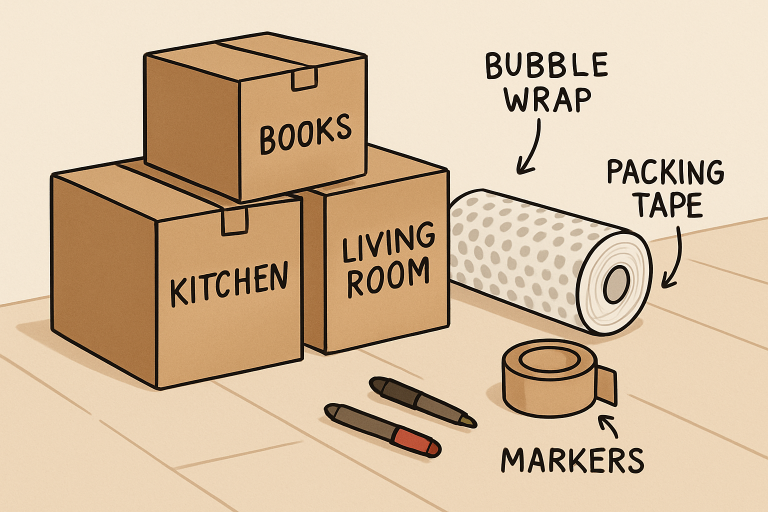
Before filling your first box, ensure you have the necessary materials. You’ll need a variety of sturdy boxes, strong packing tape, permanent markers for labeling, and cushioning such as bubble wrap, packing paper, or even towels and blankets. Stocking up on these essential supplies from the outset will keep your packing process running smoothly, as you won’t be forced to make repeated trips to the store. Packing experts recommend investing in high-quality materials to safeguard your valuables in transit.
Pack Room by Room
Focusing on one room at a time creates structure and significantly reduces feelings of overwhelm. Start with areas you use infrequently and work your way toward the more frequently used spaces. Packing room by room has the added benefit of making your unpacking much easier—each box will be designated to a particular room in your new home. This step-by-step process helps you keep a clear inventory of your belongings and minimizes the risk of items being misplaced.
Label Boxes Clearly
Proper labeling is a simple step that pays off massively during your move. Write both the room name and an overview of the contents on each box. For even greater efficiency, use color-coded labels or colored tape for each room. Consider jotting down notes about items that require careful handling—clear warning labels, such as “FRAGILE,” can be invaluable to both you and your movers. Good labeling makes the logistics of both loading and unloading much smoother, and ensures that even friends helping you out can put boxes in the right place without guesswork.

Protect Fragile Items
Take extra care with breakables. Wrap each fragile item in bubble wrap or packing paper, and secure it in boxes with ample cushioning. Always stand plates and glassware on their sides, as this positioning is far less likely to result in cracks or chips compared to stacking them flat. Fill empty spaces with towels or foam peanuts to keep items from shifting. According to Consumer Reports, packing fragile items correctly is one of the most effective ways to avoid expensive damage during a move.
Pack an Essentials Box
Moving day can be long and tiring, so you’ll want immediate access to necessities when you arrive in your new home. Designate one or two boxes as your “essentials box” and fill them with must-have items, such as toiletries, medications, important documents, chargers, basic kitchen supplies, snacks, and a change of clothes. Keep these boxes with you or load them last so they’re the first to arrive and easy to find among the sea of moving boxes.
Avoid Overpacking Boxes
Too much weight in a single box can spell trouble for both your possessions and your back. Aim to keep each box under 50 pounds, and mix heavy and light items when possible. For example, cushion a box of books with pillows or towels. This approach prevents boxes from breaking and makes them more manageable for anyone assisting you with the move. Strike a balance between convenience and safety for a smoother, injury-free transition.
Utilize Suitcases and Storage Bins
Don’t let your suitcases and bins sit empty—put them to work! Wheeled suitcases are ideal for books, electronics, and heavier items, making them much easier to transport. Reusable storage bins are suitable for storing off-season clothing, decorations, or supplies that you’ll need soon after arrival. Utilizing these containers reduces the number of cardboard boxes required and speeds up the loading and unloading process.
Keep Valuables with You
Certain items—such as jewelry, sensitive documents, family heirlooms, and expensive electronics—should always stay in your possession during the move. Carry these valuables with you in a personal bag or a small lockbox. This dramatically reduces the risk of loss or damage and provides peace of mind, which is invaluable during a stressful process.
By adopting these expert packing techniques, you’ll ensure a stress-free and efficient move, setting yourself up for a seamless start in your new home. For further guidance on preparing for relocation, check out resources from Real Simple.