
Embarking on the journey to select the perfect bass boat can be both exciting and daunting. Whether you’re a seasoned angler or a newcomer to fishing, making the right choice hinges on understanding the many options available and what each has to offer. Before you venture out to browse bass boats for sale, it is crucial to grasp the vital factors that will influence your decision so you can match your boat to your specific fishing environment.
A thoughtful choice can significantly enhance your experience on the water. From hull materials to essential onboard features, balancing functionality with budget will allow you to enjoy more productive and enjoyable fishing trips. Each angler’s requirements are unique, so evaluating how different boat types fit your needs is an important first step. Beyond the obvious elements like price and size, pay close attention to storage, seating, and electronic systems. The right combination of features will help maximize your efficiency and comfort while fishing. For those exploring the market further, check out the wide variety of bass boats available to find one that best matches your fishing habits.
Table of Contents
Understanding Bass Boat Types
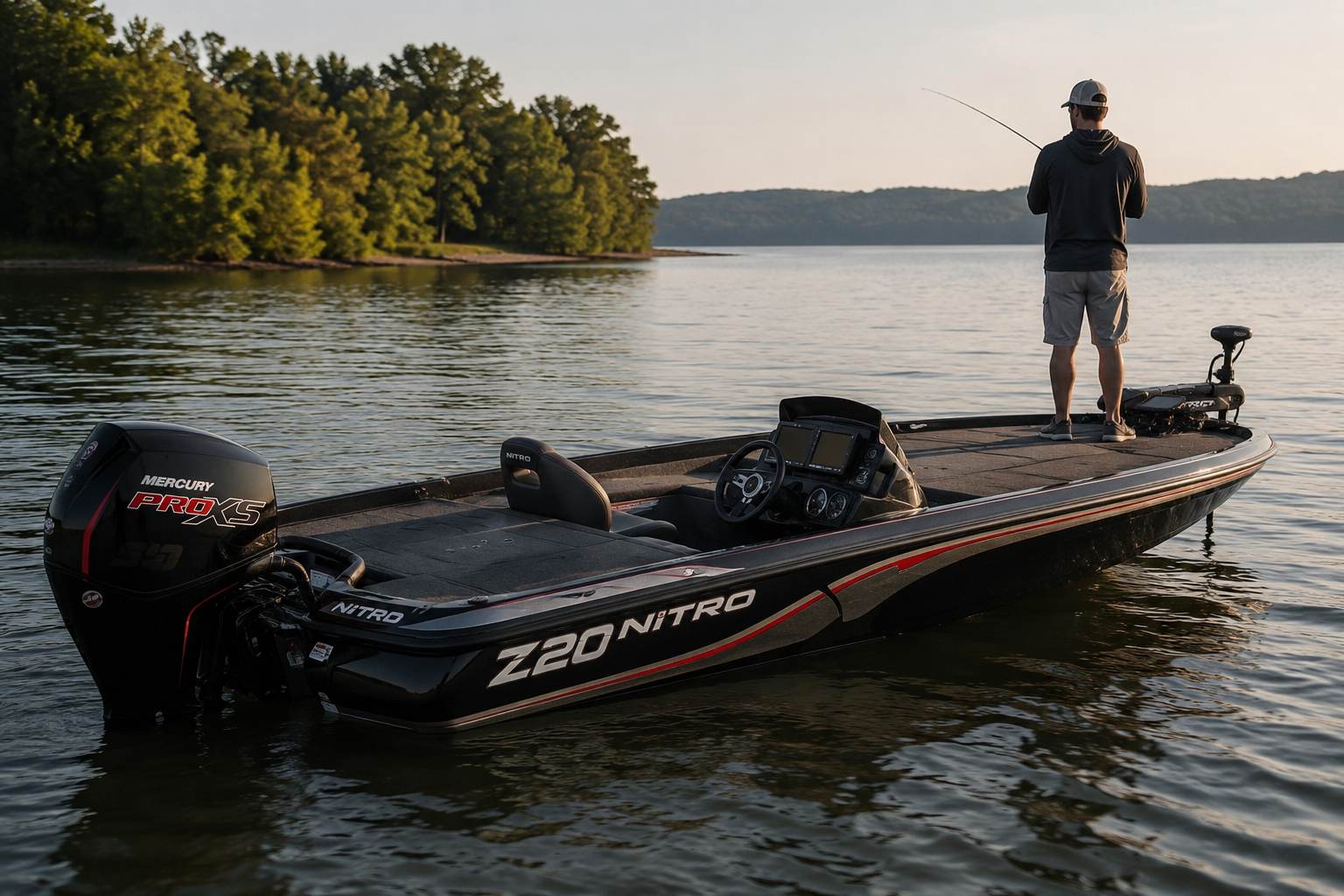
Bass boats are purpose-built vessels designed specifically for freshwater fishing, especially bass. They are recognized for their low-profile hulls, broad beams, and powerful outboards, which lend them the speed and maneuverability needed to chase fish in a range of water conditions. The hallmark features include raised casting decks, plenty of rod and tackle storage, and often a suite of electronics to help anglers locate and catch more fish. Because these boats are specialized for shallow, vegetated waters, choosing a style that aligns with your favorite fishing spots is critical. Consider the size of the water bodies you frequent, as well as weather conditions and potential obstacles, when deciding on your preferred type.
Hull Material: Aluminum vs. Fiberglass
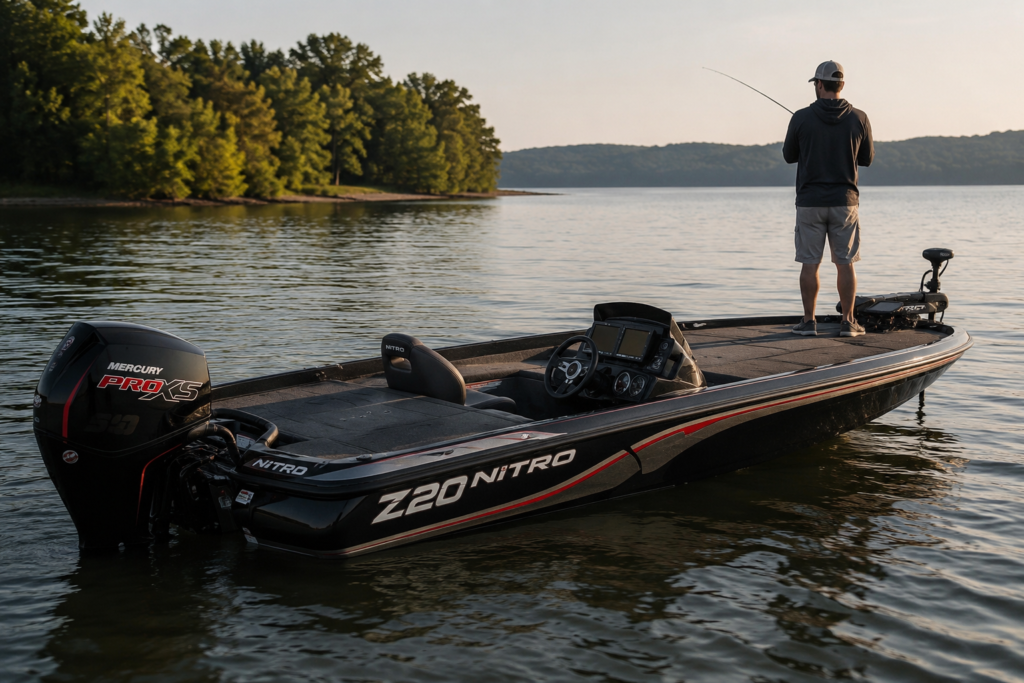
Two primary materials are used for bass boat hulls: aluminum and fiberglass. The choice affects boat performance, cost, and suitability for specific fishing waters.
- Aluminum Hulls: Praised for being lightweight and sturdy, aluminum models are typically easier to tow and launch by yourself. They are usually less expensive than fiberglass and excel in shallow, tight areas. However, aluminum boats may ride a bit rougher when the water gets choppy or windy, and they often have simpler outfitting.
- Fiberglass Hulls: These boats are heavier and offer a smoother ride, even when the water is less than calm. They are known for superior handling, beautiful finishes, and advanced layouts. As a bonus, fiberglass models often include upgraded features and allow for larger engines. The trade-off comes with higher purchase and maintenance costs.
Size and Capacity Considerations
The majority of bass boats are between 16 and 22 feet in length. Determining the right size starts with considering the environments where you fish most often.
- Fishing Environment: For anglers on smaller lakes or rivers, a boat between 16 and 18 feet offers sufficient mobility and easier navigation through obstacles. If you frequently fish big lakes or reservoirs, a boat from 19 to 22 feet provides increased stability, storage, and comfort, particularly when carrying extra gear or fishing partners.
- Passenger Capacity: Every trip requires room for anglers and their equipment. Make sure the boat is rated for at least as many passengers as you usually fish with. Equally important is having adequate storage for rods, tackle, and personal items.
Engine Power and Performance
The horsepower rating of your engine directly influences how quickly you can get to prime fishing spots and how well your boat performs in changing weather. A more powerful engine translates into faster speeds and improved maneuverability, but it also uses more fuel and can lead to higher purchase and ongoing maintenance costs. Assess what is typical for your fishing locations; smaller bodies of water may need less horsepower than wide-open lakes, where speed can offer a real advantage.
Essential Features to Look For
Modern bass boats are designed to provide maximum efficiency and comfort on the water. When choosing among models, prioritize features like:
- Storage: Ample compartments and organizers for everything from rods to tackle boxes and weather gear.
- Seating: Well-cushioned, ergonomic seating allows for longer, more comfortable outings. Adjustable options can accommodate angler preferences and longer fishing days.
- Livewells: Properly sized, aerated livewells will keep your catch lively and healthy until the trip ends.
- Electronics: Consider color fish finders, GPS, trolling motors, and networking capabilities to maximize your catch and streamline navigation.
Budgeting and Financing Options
Before you make a final decision, create an itemized budget. Factor in the upfront purchase price, insurance costs, annual maintenance, storage, and necessary equipment upgrades. Investigate financing options available from dealers, banks, or specialty lenders, and do not overlook the value of some used models in good condition. Many dealers post detailed financing guides and calculators to help you forecast and plan your purchase.
Test Driving and Inspection
Before making any purchase, always arrange a test drive and a hands-on inspection. This is your opportunity to ensure the boat performs as expected, the controls are comfortable, and the hull, engine, and electronics are free from significant damage or excessive wear. Used boats, in particular, should be thoroughly examined for leaks, engine hours, and maintenance history. If you do not feel comfortable doing this yourself, consider hiring a marine surveyor for reassurance.
Conclusion
Finding the perfect bass boat is a process that involves balancing technical features, comfort, and cost. By carefully weighing boat types, hull materials, size, engine power, amenities, and budget considerations, you can select a boat that brings years of satisfaction on freshwater fishing adventures. It is also important to consider factors such as storage capacity, seating layout, fuel efficiency, and ease of towing, as these details can significantly impact your overall experience. Researching reputable manufacturers, reading customer reviews, and taking a test ride whenever possible can help you make a more confident decision. Additionally, choosing a boat that aligns with your fishing style and the waters you frequent will maximize both performance and enjoyment. Making an informed choice means you are always ready to enjoy more productive, comfortable, and memorable days on the water while getting the best long-term value from your investment.