
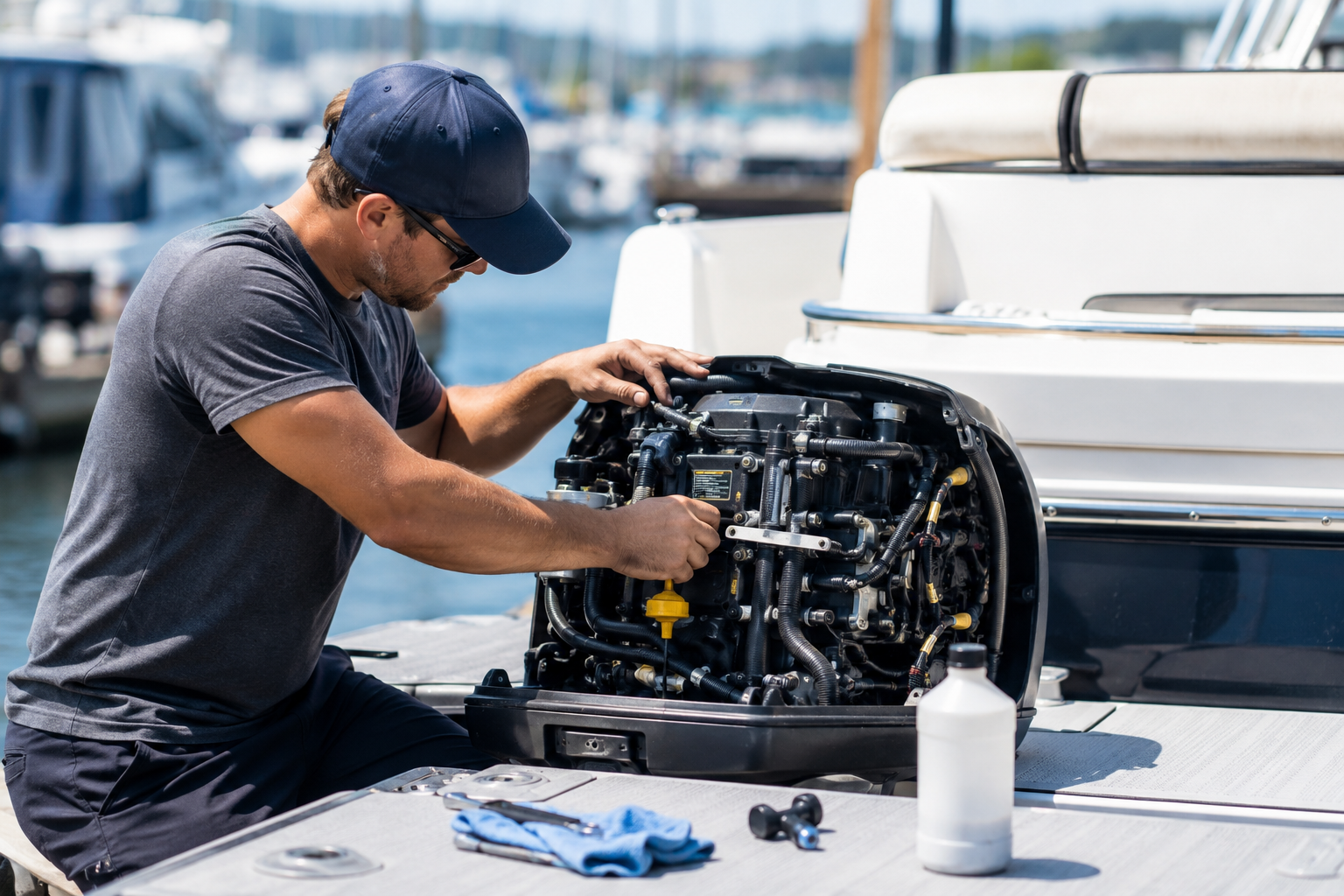
Proper boat maintenance is crucial for safety, peak performance, and increasing your vessel’s lifespan. Taking the time to inspect key systems and replace essential marine components can prevent breakdowns and costly repairs while keeping your boating experiences enjoyable and worry-free. From your powertrain to your deck hardware, understanding maintenance best practices helps you safeguard your investment. If you want to keep your vessel looking sharp and protected, consider dedicated marine paint supplies as part of your upkeep routine.
By regularly addressing maintenance needs, you reduce the risk of unexpected problems that could otherwise put your trip or your safety in jeopardy. Plus, timely replacement of components that wear or degrade over time is the single best way to extend your boat’s life and keep operational costs manageable.
This comprehensive checklist makes it easier to track what needs attention, helping you prevent issues before they arise. Performing routine inspections ensures everything from your engine to your electrical systems works reliably through every season.
Not only does methodical maintenance boost performance, but it also makes certain your boating adventures remain smooth and stress-free. Proactive checks and timely upgrades minimize hassles, so your time on the water is spent more on fun and safety.
Table of Contents
Engine and Fuel System
- Oil and Filters: Change your engine oil and replace filters after every 100 hours of operation or at least once per season. Clean oil and new filters keep the engine lubricated and protect against wear, ensuring efficient operation.
- Fuel Lines and Filters: Inspect all fuel lines for cracks, brittleness, or leaks. Replace any suspect hoses, and change your fuel filter regularly to avoid contamination and keep fuel flowing smoothly to your engine.
- Cooling System: Flush the cooling system according to your manufacturer’s guidelines. Check for rust, corrosion, or obstructions in hoses and through-hulls to prevent dangerous overheating during use.
Hull and Propulsion
- Hull Integrity: Periodically walk the hull and look for blisters, cracks, or soft spots. Prompt repairs save you from costly structural repair bills and keep you afloat.
- Propeller and Shaft: Check your propeller for dings, chips, or bends. Remove and inspect the shaft for proper alignment, and ensure the cutless bearing is sound. Even minor damage can impact performance and raise fuel consumption.
Electrical Systems
- Batteries: Test battery voltage and amperage, clean the terminals, and inspect for corrosion. Replace batteries that show weakness or are beyond their rated service life for reliable engine starts and accessory power.
- Wiring and Connections: Look for signs of frayed wires, corroded terminals, or loose connections. Address issues promptly to prevent shorts, fire risks, or failure of critical systems.
Steering and Control Systems
- Steering Mechanism: Turn the wheel lock-to-lock and check for stiffness or leaks from hydraulic lines. Lubricate moving parts, and consider replacing hydraulic fluid according to your owner’s manual.
- Throttle and Shift Cables: Test for fraying, binding, or excessive resistance. Replace as needed for precise and reliable control.
Safety Equipment
- Life Jackets and Safety Gear: Check for damage, mildew, or missing flotation devices. Ensure all safety gear, including fire extinguishers, is in date and readily accessible.
- Navigation Lights and Signals: Test operation of all navigation lights and sound signaling devices. Replace burnt-out bulbs or corroded fixtures to guarantee compliance and safety, especially in low-visibility conditions.
Plumbing and Bilge Systems
- Bilge Pumps: Regularly test your bilge pumps for responsiveness. Clear debris from the area to prevent clogging and ensure they activate promptly when needed to remove water.
- Hoses and Clamps: Examine all plumbing hoses for cracks or leaks and ensure clamps are tight and corrosion-free. Prompt replacement minimizes the risk of water intrusion.
Deck and Hardware
- Deck Fittings: Inspect all cleats, railings, and hardware for looseness, wear, or corrosion. Tighten or replace any faulty equipment to keep the deck safe and secure under load.
- Canvas and Upholstery: Clean and inspect all sunshades, covers, and seating for mildew, tears, or UV damage. Repair or replace as required to protect against the elements and maintain comfort.
Seasonal Considerations
- Winterization: Treat fuel, drain water systems, and flush the engine before storage. Proper winterization prevents freeze damage and corrosion during the off-season.
- Spring Commissioning: After de-winterizing, thoroughly inspect all critical systems to ensure everything functions properly before your first trip each season.
Staying on top of these maintenance steps protects your investment and enhances every outing on the water. For more in-depth tips, check out resources from BoatUS here or visit the U.S. Coast Guard’s recommendations for seasonal care.
Routine checks and timely component replacements are essential for a safe boating season. Regular maintenance, including cleaning and waxing the boat, helps reduce long-term damage from salt and UV exposure. Keeping a detailed maintenance log supports service history and resale value. Understanding your vessel’s systems and utilizing resources such as owner’s manuals or boating clubs enhances maintenance practices. Committing to thorough care ensures reliability and enjoyment on the water.