

The thyroid gland is essential for regulating metabolism, energy, and hormonal harmony. When thyroid function falters, it can create widespread health challenges that affect nearly every system in the body. Many individuals struggling with unexplained fatigue, weight changes, or mood swings may have underlying thyroid imbalances, which require deeper exploration than standard treatment. Working with a thyroid specialist Denver can offer a robust, functional medicine-based approach to identifying the root cause and achieving sustainable wellness. A functional medicine strategy does not simply manage symptoms. Instead, it delves into comprehensive testing, lifestyle evaluation, and systemic factors that influence thyroid function. Because the thyroid is intricately connected to gut health, nutrient status, stress, and environmental exposures, addressing these interconnected factors is vital for long-term thyroid health and optimal well-being. Conventional medicine often relies on routine thyroid-stimulating hormone (TSH) screening, which may miss subclinical or autoimmune thyroid conditions. Functional medicine practitioners take a broader perspective, offering a path toward lasting hormonal balance and improved quality of life. Understanding the root causes and comprehensive nature of thyroid dysfunction is the first step toward reclaiming health and vitality. This guide details the pivotal elements that make a functional medicine approach to thyroid care unique and effective for countless individuals seeking answers.
Table of Contents
Comprehensive Thyroid Assessment
Traditional thyroid evaluations often rely solely on measuring TSH. However, research shows that focusing only on TSH misses a substantial portion of thyroid imbalances, including early hypothyroidism and autoimmune conditions like Hashimoto’s thyroiditis. Functional medicine practitioners recommend a complete panel that includes free T3 and T4, reverse T3, and thyroid antibodies (TPOAb and TgAb). This broader snapshot uncovers dysfunction that would otherwise go untreated, enabling precise, early intervention. According to the American Thyroid Association, nearly 60% of people with thyroid disease are unaware of their condition, partly due to inadequate testing strategies.
Gut Health and Thyroid Function
Emerging evidence reveals a powerful relationship between gastrointestinal health and the thyroid gland. Around twenty percent of inactive T4 is converted to active T3 in the gut, so issues like leaky gut, dysbiosis, or chronic inflammation directly impair thyroid hormone metabolism. When the gut barrier is compromised, it can provoke immune system reactions that trigger or worsen autoimmune thyroid disease. Addressing gut health through elimination diets, probiotics, and targeted nutrition is a proven way to support both thyroid function and overall immunity.
Nutrient Deficiencies and Thyroid Health
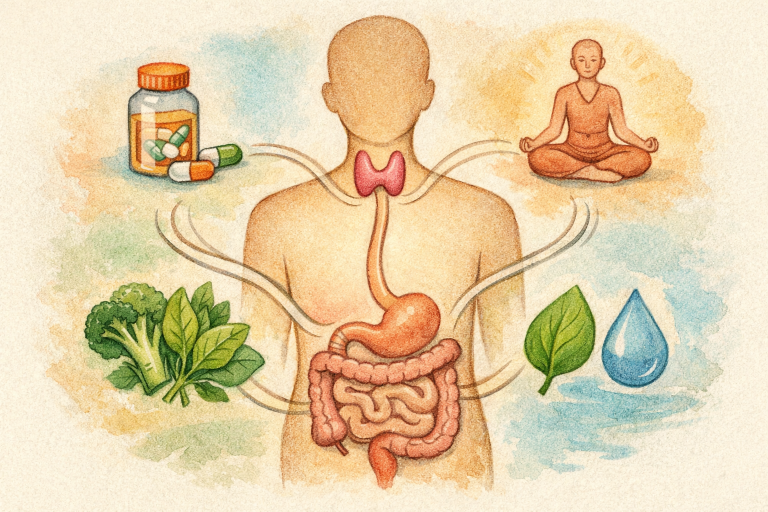
Several crucial nutrients underpin healthy thyroid function. Iodine is required for thyroid hormone synthesis, while selenium and zinc help activate T4 into the bioavailable T3 hormone. Vitamin D also has immunomodulatory effects and may help lower thyroid autoantibody levels in patients with autoimmune thyroiditis. Dietary and lifestyle factors, poor absorption, or chronic illness can lead to deficiencies that impair optimal thyroid function. Functional medicine testing can target these imbalances, and individualized supplementation can quickly correct them while supporting long-term dietary changes.
Stress Management and Adrenal Support
Chronic or poorly managed stress elevates cortisol levels, which suppress thyroid hormone production and impede its conversion to the active form T3. This can leave patients with symptoms of fatigue, low mood, and poor cognitive function despite “normal” lab results. Functional medicine providers prioritize stress resilience by emphasizing sleep hygiene, mindfulness practices, and balancing adrenal function through adaptogenic botanicals and lifestyle interventions. Supporting the hypothalamic-pituitary-adrenal (HPA) axis not only lowers stress but also helps restore overall endocrine balance and well-being.
Environmental Toxins and Thyroid Dysfunction
Every day exposure to environmental toxins, such as heavy metals, pesticides, flame retardants, and industrial chemicals, poses a risk to thyroid health. Some toxins act as endocrine disruptors by mimicking or interfering with thyroid hormones, while others block the body’s detoxification pathways. Reducing toxic exposures and actively supporting the body’s detox mechanisms (with dietary fiber, antioxidants, and sweating therapies) are essential parts of the functional medicine playbook. The Centers for Disease Control and Prevention provides further insight into the impact of environmental exposure on thyroid health.
Personalized Treatment Strategies
No two people with thyroid dysfunction have the same story or the same underlying causes. Functional medicine champions an individualized approach that might include elimination diets, targeted supplements, lifestyle revamps, and, if warranted, bioidentical hormone therapy. Treatment also considers coexisting challenges, such as blood sugar imbalances, inflammation, or additional hormonal disruptions, to create practical, effective healing strategies for each unique patient.
Monitoring and Maintaining Thyroid Health
Maintaining long-term thyroid health requires regular monitoring through lab tests and symptom tracking. It is essential to adjust both lifestyle choices and medication as needed to ensure progress. Education and support play a crucial role in empowering patients to actively participate in their care, especially as their circumstances change. This collaborative approach is central to functional medicine and significantly increases the chances of achieving lasting wellness. Essentially, functional medicine offers a personalized plan for addressing thyroid issues.
Conclusion
Functional medicine offers a comprehensive approach to thyroid health by identifying and addressing root causes rather than only managing symptoms. Through detailed testing, gut and nutrient evaluation, stress reduction, and toxin awareness, patients receive personalized care that supports long-term hormonal balance and overall well-being.