
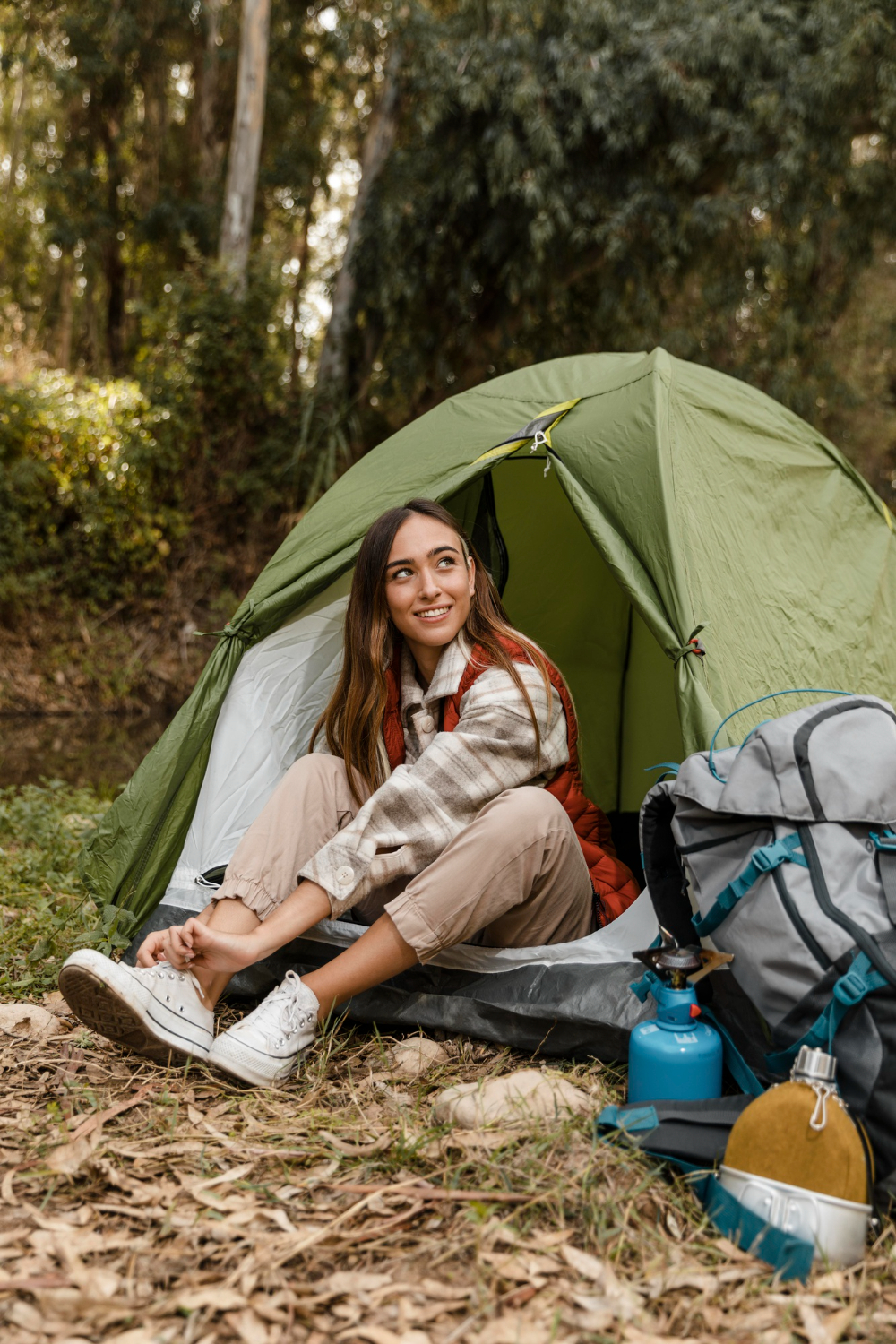
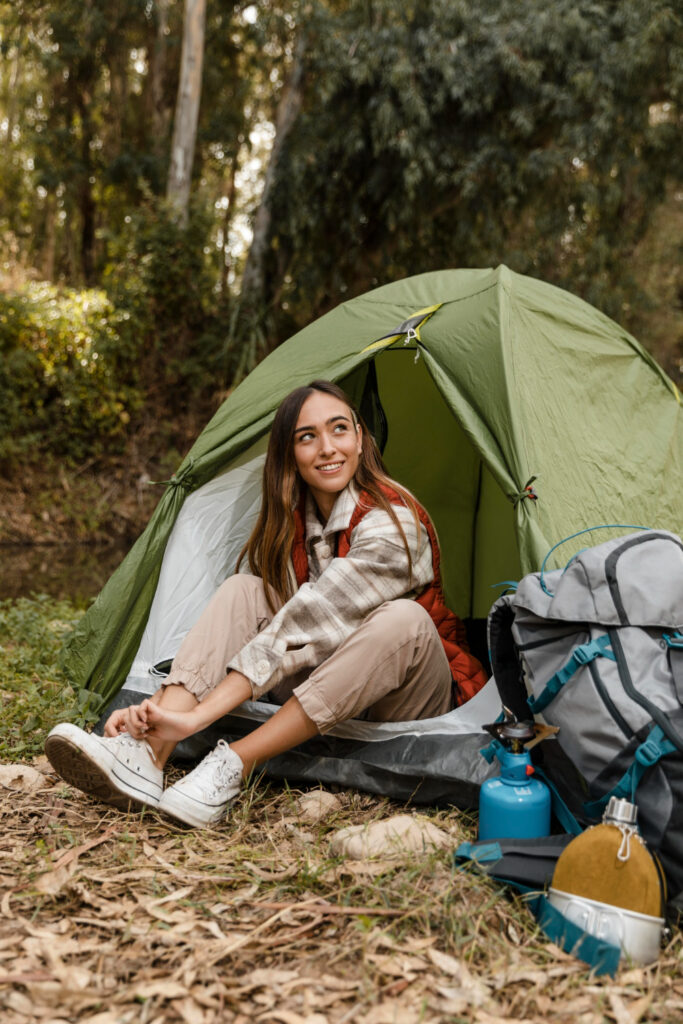
So you’re thinking about sleeping under the stars for the first time? Maybe your friends won’t stop talking about their latest trip, or you’ve been scrolling through photos of mountain sunrises and thought, “I could do that.” Here’s the thing-you absolutely can. But let’s be honest: your first camping trip can feel a bit overwhelming when you’re staring at a million gear options online and wondering if you’ll actually survive a night without your memory foam mattress.
The good news? Camping doesn’t have to be complicated. You don’t need to be an outdoor expert or own thousands of dollars’ worth of equipment. What you do need is some solid camping advice to help you avoid the rookie mistakes that turn a fun weekend into a cold, uncomfortable disaster. This guide will walk you through everything from picking the right spot to packing smart, so your first trip outdoors becomes the first of many.
Table of Contents
Choosing Your Campsite Wisely
Your camping experience starts long before you pitch your tent. Where you go matters just as much as what you bring. For beginners, established campgrounds are your best friend. These spots come with amenities like bathrooms, water sources, and often fire pits already set up. You’ll also have neighbors nearby if something goes wrong, which brings peace of mind when you’re still learning the ropes.
Look for campgrounds that offer both sun and shade. You’ll want morning sunshine to warm things up, but trust me, you’ll appreciate tree cover during the hot afternoon hours. Check reviews before booking-other campers will tell you about things like mosquito populations, noise levels, and whether the site descriptions are accurate.
Distance from your car is another factor to consider. For your first outing, pick a site where you can park close by. There’s no shame in car camping when you’re just starting out. It makes unloading easier, gives you a backup shelter if the weather turns nasty, and means you can bring more comfort items without worrying about weight.
Essential Gear That Won’t Break the Bank
Here’s some first-time camping advice that’ll save you money: don’t buy everything at once. You can borrow, rent, or buy budget-friendly options for your initial trips while you figure out what type of camping you actually enjoy.
The Big Three Items You Can’t Skip
Shelter: A basic three-season tent works for most conditions. Look for something that’s rated for one more person than you need-a “three-person” tent gives two people actual elbow room. Make sure it comes with a rainfly, even if the forecast looks perfect.
Sleep System: This means a sleeping bag and pad. The pad isn’t optional, by the way. It provides insulation from the cold ground, which will suck the warmth right out of you. A cheap foam pad beats sleeping on bare ground by miles.
Cooking Setup: A simple camp stove and fuel canister give you hot meals and coffee. Bring a pot, utensils, and basic seasonings. You can get fancy later, but for now, simple meals that require minimal prep work best.
Smart Packing for Beginners
The camping advice for beginners that experienced campers wish they’d known earlier? Make lists. Create a master packing list on your phone and check items off as you load up. Include categories like clothing, food, safety gear, and comfort items.
Pack layers for clothing rather than bulky jackets. Temperatures drop significantly at night, even in summer. Bring a warm hat and gloves regardless of the season-you’ll be surprised how chilly mornings can get. Extra socks are worth their weight in gold. Wet feet make for miserable camping, so pack more socks than you think you need.
Don’t forget the small things that make life easier: trash bags, toilet paper, hand sanitizer, a headlamp (flashlights require one hand), matches in a waterproof container, and basic first aid supplies. Duct tape and paracord fix about 90% of camping problems.
Setting Up Camp Like You Know What You’re Doing
You’ve arrived at your site, and now comes the moment of truth. Take fifteen minutes to assess your spot before unloading everything from your car. Look for the flattest area you can find for your tent. Clear away any rocks, sticks, or pine cones that’ll feel like boulders once you’re lying on them.
Set up your tent while you still have daylight. Seriously, don’t wait until dusk. Even “easy setup” tents become frustrating puzzles in the dark. Practice setting it up in your backyard before the trip if possible. This camping advice for beginners saves countless headaches.
Organize your campsite into zones. Keep your cooking area separate from your sleeping area-this helps with food smells that might attract animals. Store your food in your car or in provided bear boxes, never in your tent. Even if bears aren’t common in your area, raccoons and mice are professional thieves.
Food Planning That Actually Works
Forget the elaborate campfire recipes you see online for your first trip. Keep meals simple and prepare what you can at home. Pre-chop vegetables, marinate meat, and pack ingredients in labeled bags or containers. One-pot meals are your friend-less cooking, less cleanup.
Easy First-Timer Meal Ideas
- Breakfast: Oatmeal packets, granola with powdered milk, or breakfast burritos wrapped in foil that you can heat on the camp stove
- Lunch: Sandwiches, wraps, trail mix, cheese and crackers, fresh fruit
- Dinner: Pre-made chili heated up, pasta with jarred sauce, foil packet meals with protein and veggies
Bring more snacks than you think you need. Being outdoors makes everyone hungrier. Energy bars, nuts, dried fruit, and jerky don’t need refrigeration and provide quick fuel between meals.
Water is critical. Drink more than you normally would, especially if you’re active or it’s warm out. Bring way more water than seems necessary, or confirm your campground has potable water available.
Safety and Comfort Tips
This first-time camping advice might seem obvious, but tell someone where you’re going and when you plan to return. Check the weather forecast before you leave and monitor it if you have cell service. Know what to do if conditions deteriorate-sometimes the smartest move is packing up and heading home.
Learn basic campfire safety if fires are allowed. Keep your fire small and manageable. Never leave it unattended, and make sure it’s completely out before bed-that means cold to the touch. Pour water on it, stir the ashes, then pour more water.
Before-Bed Checklist for Peace of Mind
- Secure all food: Double-check that everything edible is locked in your car or bear box, including trash and toiletries that smell good
- Check your fire: Make absolutely certain those embers are dead and cold before you turn in for the night
- Prep for morning: Fill water bottles, set out clothes for the next day, and know where your headlamp is
- Bathroom run: Visit the facilities one last time so you’re not stumbling around in the dark later
Bring entertainment that doesn’t require electricity. Cards, books, a journal, or just good conversation around the fire. Part of camping’s appeal is unplugging from screens and devices. That said, keep your phone charged for emergencies.
Making Your First Night Count
Here’s the camping advice that matters most: expect some discomfort, and don’t let it ruin your experience. Yes, the ground is harder than your bed. Yes, you’ll hear every small noise outside your tent. These things are normal and get easier with experience.
Set yourself up for success by not overscheduling. Your first trip doesn’t need to include a ten-mile hike and rock climbing. Enjoy the basics-sitting by the fire, eating meals outdoors, watching stars without light pollution. Give yourself permission to simply be outside without pressure to accomplish specific goals.
If something goes wrong, laugh it off. Forgot the coffee? Makes for a good story later. Tent stake broke? You’ll figure out a solution. The best camping trips include at least one small disaster that becomes the highlight when you retell the story.
Leaving No Trace
Pack out everything you pack in. This means all trash, food scraps, and gear. Leave your campsite cleaner than you found it. Future campers will appreciate it, and honestly, it’s just the right thing to do.
Your first camping trip sets the foundation for all future outdoor experiences. Take the time to do it right, learn from any mistakes, and you’ll find yourself already planning the next one before you’ve even gotten home. The outdoors have a way of calling you back, and now you’ll know exactly how to answer.