
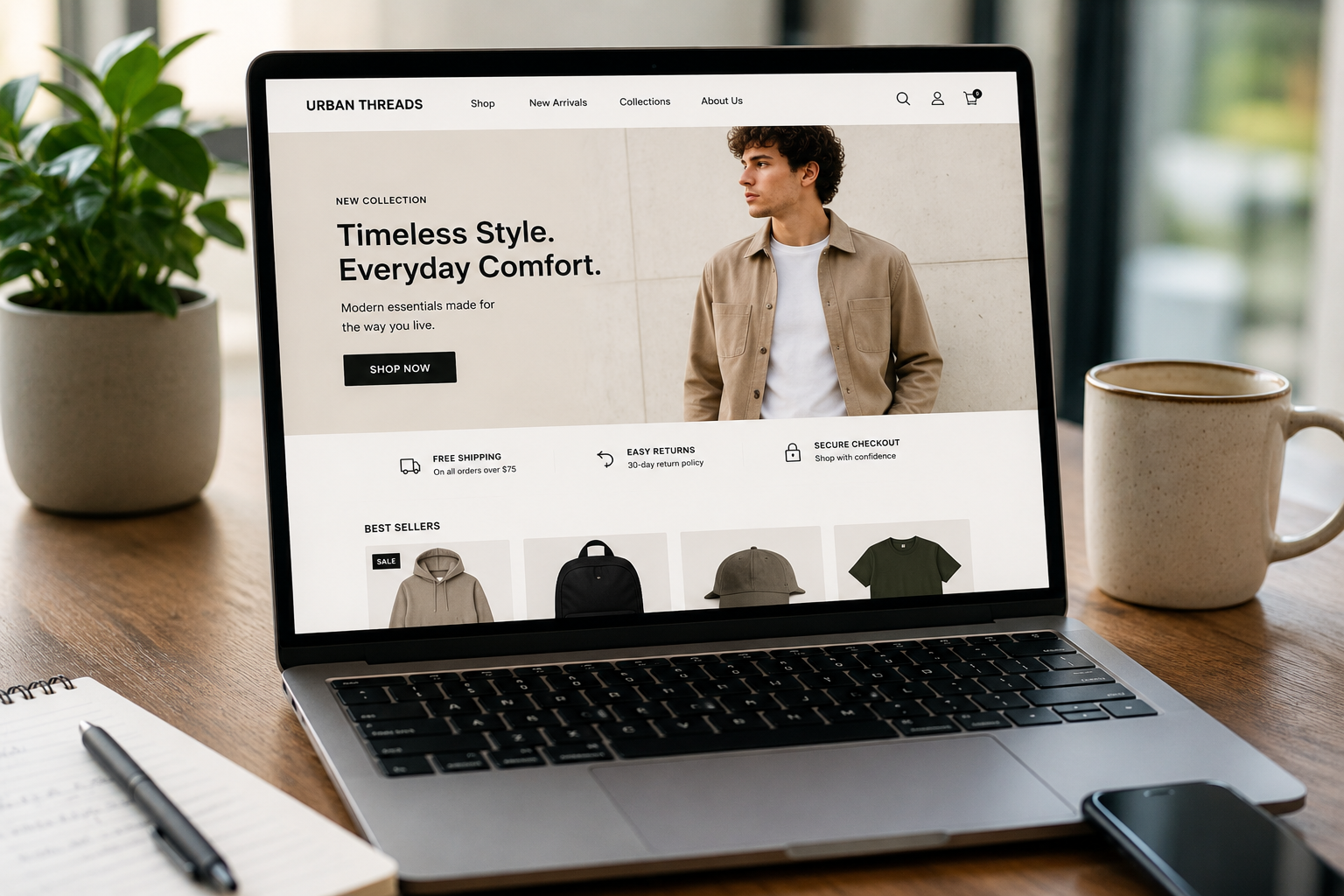
Crafting a powerful landing page can be the difference between an average and a thriving online store. When visitors reach your site, you have just a few seconds to capture their attention and guide them toward making a purchase. A strategically designed ecommerce landing page can boost your conversion rates and leave a lasting impression on potential customers. Knowing what makes for an effective landing page is vital for business owners and marketers. Ensuring your landing page stands out makes your online shop competitive and increases credibility with new buyers. Every element should contribute to a seamless customer journey that minimizes barriers and maximizes conversions. Conversion-focused landing pages are often the first point of contact for prospects. If your page communicates value, offers clarity, and reassures prospective buyers, it sets the stage for success. With every element optimized, visitors find it easy to take the next step, whether that means subscribing, buying, or learning more about your product. Your store’s reputation and bottom line depend on the strength of your landing page. Incorporating best practices will make a significant difference in both customer experience and sales results. Let’s explore each element crucial for ecommerce landing page’s effectiveness.
Table of Contents
Clear Value Proposition
Communicating your unique value proposition immediately lets visitors know why they should choose your product or service. Use a concise headline to articulate your unique offering, supported by a subheading that reiterates what sets your business apart from the competition. For example, rather than simply stating what you sell, emphasize benefits such as quality, convenience, or exclusive features. This ensures immediate clarity for new users and instills confidence from the start. Many brands complement their value proposition with supporting visuals or short explainer videos. These quick visual reinforcements can quickly hook visitors, giving them a reason to keep scrolling and learning about your offerings. Consider using customer-centric language, such as “Save time every day” or “Join 20,000 happy customers,” to increase relatability and trust further. Creating a connection early on leads to higher retention and lower bounce rates.
Single Call-to-Action (CTA)
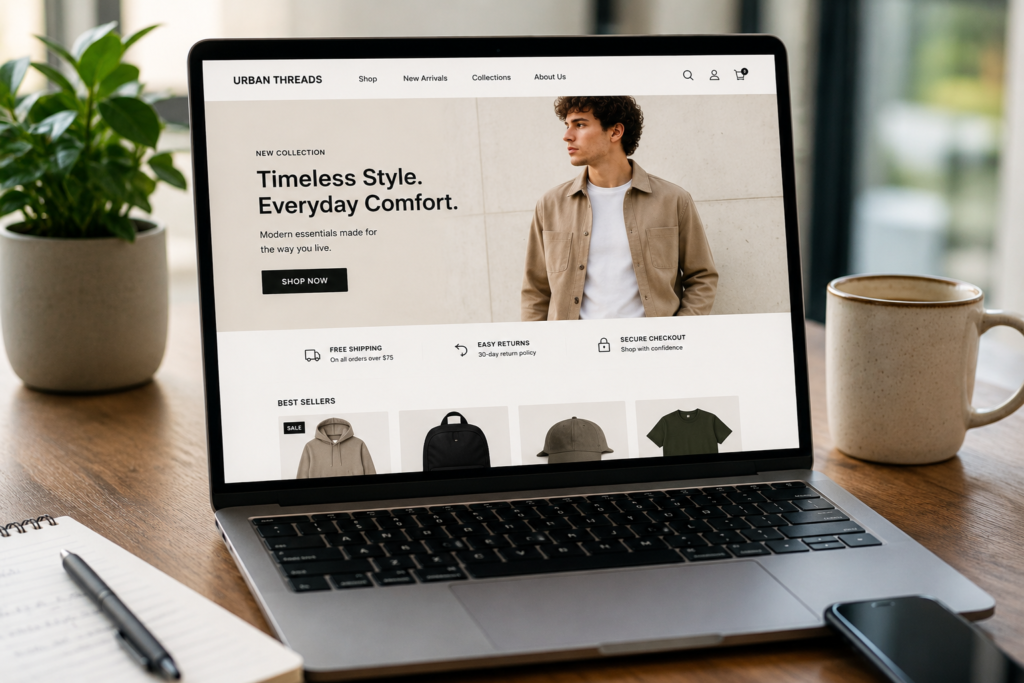
Keep the user’s journey focused by highlighting a single primary call to action. Whether it’s “Buy Now,” “Join Free,” or “Get Started,” a single, prominent CTA avoids confusion and makes the intended action unmistakably clear. Limiting choices on your ecommerce landing page helps users make decisions quickly and moves them further into your conversion funnel. The design and placement of your CTA also matter. Choose contrasting colors, bold fonts, and plenty of white space to draw the eye. Test different messaging, for example, “Shop the Collection” versus “Claim My Discount”, to discover what resonates most with your audience. Above all, ensure your CTA is always visible, even when visitors scroll. Sticky CTAs are particularly effective on mobile devices.
Fast Loading Times
Users expect speed. Slow-loading pages cost businesses billions in lost revenue every year. Optimize your images, scripts, and servers to ensure your page loads quickly, especially on mobile. Fast load times reduce bounce rates and improve search engine rankings, resulting in higher engagement and higher conversion rates. Adopting best practices such as image compression, lazy loading, and minimizing code bloat will significantly improve load times. Use performance tools like Google PageSpeed Insights to diagnose bottlenecks and prioritize the most impactful changes. Quick-loading landing pages don’t just win over customers, they signal quality to search engines, which can help drive even more organic traffic to your store.
Consistent Messaging
Alignment between your advertisements, email campaigns, and landing page content builds trust with users. When visitors arrive on your landing page after clicking a specific promotion or ad, reiterate the same key messages and offers. This consistency reassures them that they are in the right place and increases the odds that they will take the next step. To achieve consistency, use similar branding, color schemes, and tone of voice throughout your marketing funnel. Avoid introducing new offers or unexpected language on the landing page, as this can confuse or frustrate visitors. Not only does this improve customer experience, but it also streamlines your analytics by making it easier to track which campaigns are driving results.
Reduce distractions by streamlining your landing page navigation. Limit options and eliminate unnecessary links to focus visitors’ attention on your main call to action. This focused approach is shown to keep potential customers on the path to conversion, leading to higher sales and sign-up rates. A clear page layout helps guide your visitor toward their goal. Consider removing overly complex menus or external links that might direct visitors away from converting. Instead, incorporate a straightforward pathway from headline to CTA, reinforced by trust signals and engaging content. For longer landing pages, anchor links and a sticky navigation bar can help keep users engaged as they browse product details and testimonials.
High-Quality Visuals
Crisp, compelling images and videos can inspire confidence and better illustrate product benefits. Show your product in use from multiple angles and highlight distinguishing features. High-quality visuals increase buyer trust and help visitors imagine themselves owning or using your products, which in turn drives sales. Don’t shy away from using video. Quick demonstrations or customer testimonials presented in video format can further boost credibility and keep visitors engaged longer. Ensure all images and videos load quickly and adapt to various devices for the best user experience. Investing in professional visuals is one of the most reliable ways to differentiate your brand in competitive ecommerce markets.
Social Proof
People consult reviews and testimonials before buying, so showcase positive feedback and trust badges on your landing page. User-generated content, such as customer photos and third-party reviews, can provide valuable reassurance to hesitant buyers. Displaying awards or media mentions also creates additional credibility. Consider integrating real-time sales notifications, featured customer success stories, and recognizable brand logos to build even more confidence. Social proof doesn’t just persuade, as it helps potential buyers see themselves as part of your satisfied customer community. The more genuine endorsements you can display, the stronger your landing page will perform.
Mobile Optimization
A significant portion of ecommerce traffic now comes from smartphones and tablets. Your landing page must be fully responsive, ensuring fast load times, easy navigation, and accessibility on all screen sizes. Mobile-friendly designs with readable fonts and “thumb-friendly” buttons deliver a seamless experience, driving higher engagement and more conversions from mobile visitors. Test your landing page across multiple devices and mobile browsers to ensure optimal performance. Mobile-first design not only improves usability but can also positively impact your search rankings. Emphasize legibility, quick load times, and easy-to-interact-with elements to give all users, regardless of device, the best chance of converting into customers. Applying these proven strategies will equip your ecommerce business to earn trust and encourage more visitors to become customers. Well-executed landing pages are often the foundation of a successful online store, supporting every aspect of your digital marketing efforts.
Conclusion
In summary, a standout ecommerce landing page combines clarity, focus, speed, trust, and visual appeal. Don’t be afraid to test different elements, analyze user behavior with heatmaps and analytics, and adapt based on performance. Small changes, like updating a headline, swapping out a visual, or streamlining your CTA, can result in dramatic improvements in results. Remember, the ultimate goal is to deliver a seamless, reassuring, and persuasive experience that leaves visitors excited to buy from your brand.