
Planning a move to Spain can feel big, but it gets easier with a clear plan. From what you can pack to how customs works, and choose the right professionals who help you navigate the tricky bits, so your belongings arrive smoothly. This guide breaks down rules, paperwork, timelines, and on-the-ground tips so you can settle in faster and stress less.
Table of Contents
What You Can and Can’t Ship
Spain has rules about what can enter the country. The U.S. International Trade Administration notes that illicit drugs are banned, and items like explosives, firearms, and some defense equipment face very strict controls. That means you should confirm anything that looks risky before it goes into a box.
Everyday goods are fine if they are clearly for personal use. Keep items in reasonable quantities and remove original fuel from tools or machines. If you are unsure about something odd or hazardous, ask your mover to check the latest rules before packing day.
Paperwork and Packing Basics
Good removals start with tidy paperwork. Create a simple inventory with plain item names and rough values. Look for local movers like Seven Seas Worldwide Spain, which can carry household goods, yet customs can still ask to see a clear list. Photograph valuable items before packing, and keep serial numbers for electronics.
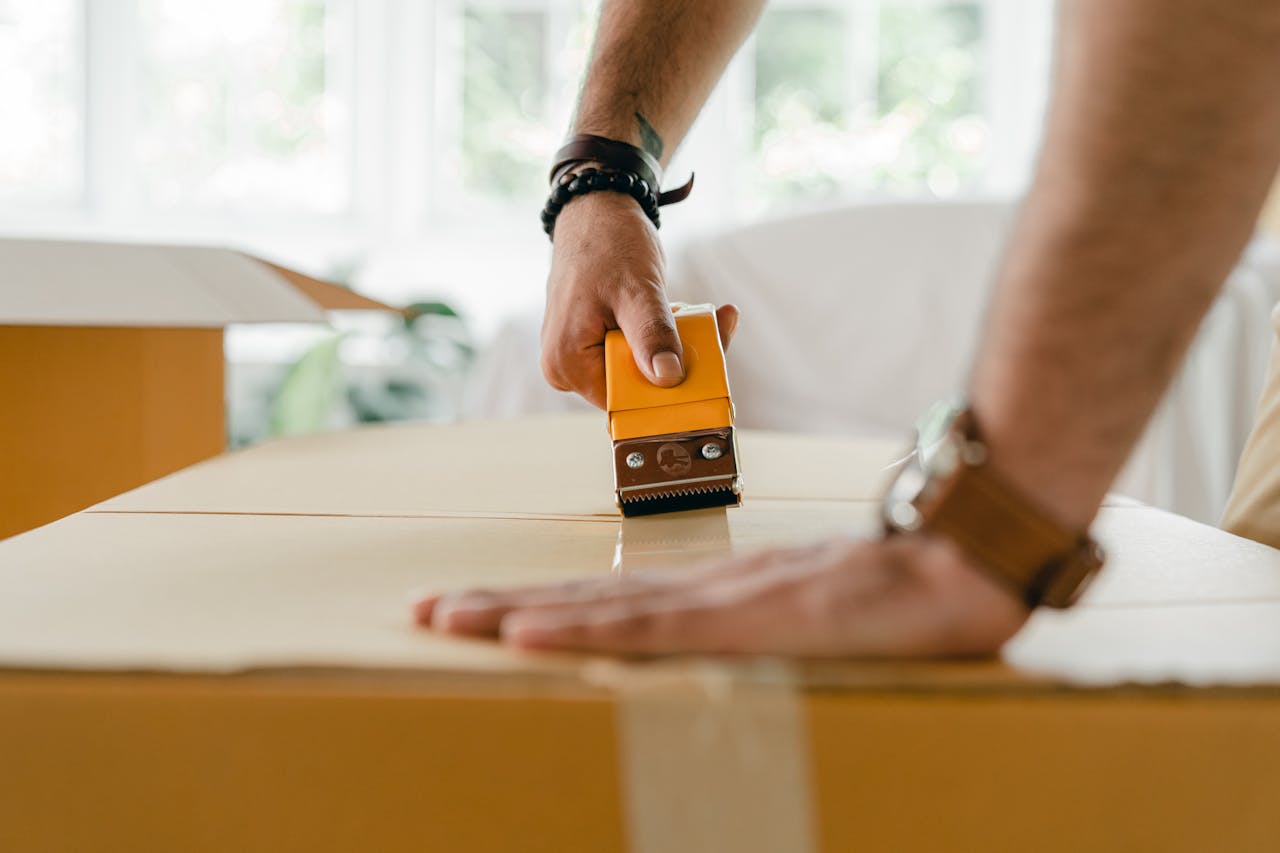
Pack for inspection as well as protection. Use small boxes for books so they stay liftable, and wrap breakables with extra padding. Put a copy of your inventory inside the first box you will open so you can check things fast when you arrive.
Licences and Vehicles
If your driving licence was issued in an EU country, Spain recognizes it as long as it is valid. Spain’s official government portal explains that exchanging an EU licence is voluntary, and a definitive Spanish licence arrives later if you choose to swap. Keep your licence and ID with you while driving, and follow local road rules from day one.
If your car is coming with you, plan ahead. You may need to meet Spanish technical and environmental standards and complete local registration steps. Many movers suggest shipping the car only if it is necessary, since public transport and car sharing are strong in most cities.
Healthcare and Registering When You Arrive
Healthcare access in Spain is tied to legal and habitual residence. Citizens Advice Spain points out that entitlement depends on your status in the country, not only on how long you have lived there. Once you settle and meet the criteria, you can register for public care or choose private cover.
Plan your documents before your first clinic visit. Make sure your proof of address is current, and know which family members qualify in your file. If you use private insurance at first, keep policy numbers and claim forms handy until your public coverage is confirmed.

Settling in Spain is a process, not a single day. Give yourself time to handle admin, find your rhythm, and learn the local way of doing things. With a clear plan and a few smart checks, your move will feel lighter and your first weeks will run smoother.