
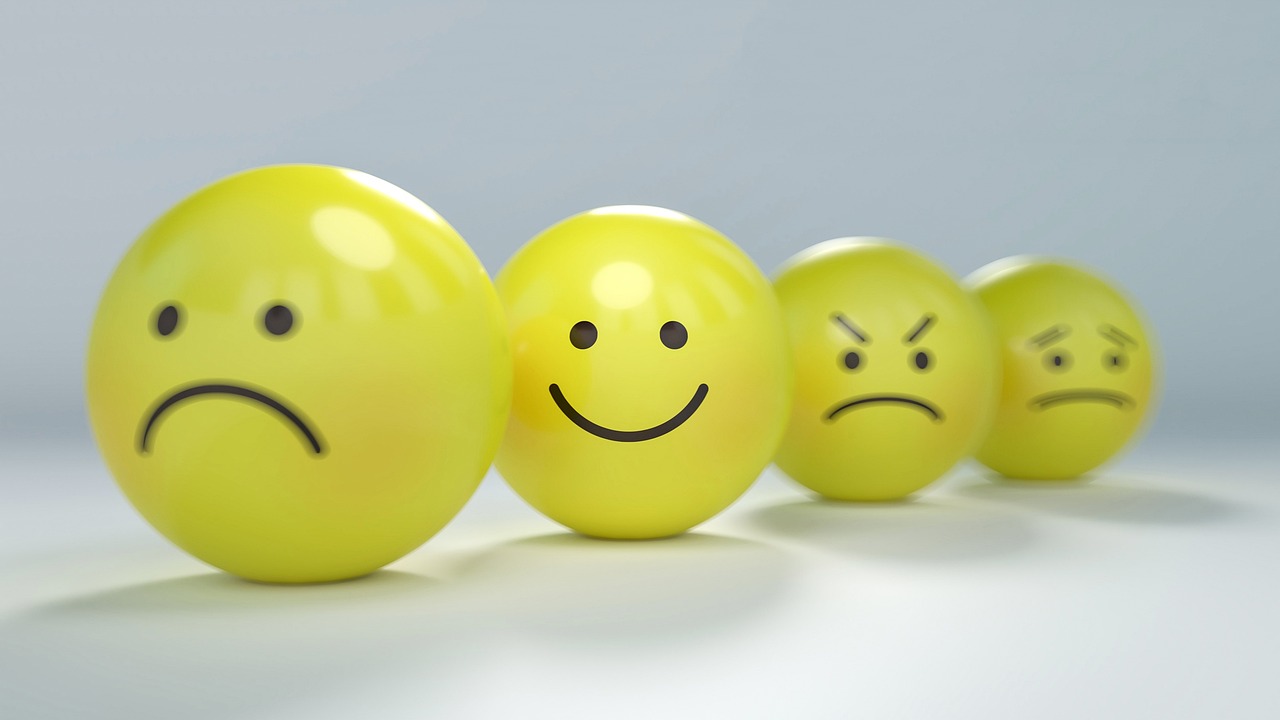
Most people think addiction is just about the substance.
It’s not.
The truth about recovering from alcohol addiction is found much deeper than the bottle. The key to the problem exists inside the emotions that silently nudge someone towards that first (or next) drink. It’s a cycle that keeps repeating with individuals from all walks of life:
- Successful professionals
- Stay-at-home parents
- College students
- Retirees
When you grasp the emotional dynamic at play in addictive behavior, everything shifts. Addiction is no longer seen as a “willpower problem.” Instead, you see it for what it is.
Here is what you need to know…
In this article you’ll discover:
- What Emotional Triggers Actually Are
- The Big 5 Emotional Triggers Behind Addiction
- How Triggers Hijack The Brain
- Practical Ways To Break The Cycle
Table of Contents
What Emotional Triggers Actually Are
An emotional trigger is a feeling that leads to a desire to use a drug.
Pretty simple, right?
But this is where it starts to get complicated. Emotional triggers are sneaky. They don’t always appear as “big” emotions. Sometimes they are loud — like anger or sadness. Other times they are subtle — like boredom on a Tuesday afternoon or loneliness before bedtime.
The problem with this is that emotional triggers are the leading cause of relapse. Stress and negative emotions account for more than 50% of relapses, and are the single biggest risk factor for long term sobriety.
That’s why anyone who really wants to face addiction head-on has to start with their emotions… not just their behaviour. Without learning to spot these triggers, alcohol addiction recovery is a guessing game.
And nobody wants that.
The Big 5 Emotional Triggers Behind Addiction
Let’s break down the most common emotional triggers that fuel addictive behaviours.
Stress
Stress is the heavyweight champion of emotional triggers.
Why? Because everyone has it.
Deadlines at work, financial issues, family arguments — stress can manifest itself in a hundred different ways. The brain responds to this by seeking the quickest possible solution to make it feel better. For the person in recovery, the “quickest way” was once alcohol or drugs.
Cortisol (stress hormone) re-wires your brain response to triggers, that’s why stressful seasons are so perilous in early recovery.
Sadness & Depression
Sadness is one of the most challenging triggers as it makes people believe they “deserve” to use.
It whispers things like:
- “Just one drink will help.”
- “You’ve earned a break.”
- “Nobody will know.”
Dangerous ground. Particularly when 55.8% of people with substance use disorder also have a co-occurring mental health condition. The overlap between depression and addictive behaviour is huge — and ignoring one while treating the other almost never works.
Anger & Resentment
Anger is loud. Anger is messy. And anger is one of the easiest emotions to numb with substances.
Most people aren’t aware of how frequently they are using addictive behaviours to repress anger. A bad meeting, an argument with a partner, an old grudge — these emotions cause a pressure cooker effect that often explodes.
Loneliness & Isolation
Humans are wired for connection.
When that connection is missing, the brain looks for substitutes — and substances are an easy (but destructive) substitute. This is why community plays such a massive role in recovery. Isolation feeds addiction. Connection starves it.
Boredom
This one always surprises people.
But boredom is a sneaky little trigger that lurks in the spaces… The silent nights. The idle Sundays.
Someone with addictive history has trained their brain to not leave silence empty.
How Triggers Hijack The Brain
Here is the part most people don’t talk about…
Emotional triggers do not simply “make” someone use. They alter the brain’s functioning over time.
Repeated drug use reinforces the brain pathways between certain emotions and the act of using. So when stress (or sadness, or anger) shows up — the brain automatically looks for the drug, almost like a reflex.
This is why willpower alone isn’t enough.
Some key things about how the brain reacts:
- Reward circuits get rewired: The brain craves substances in response to specific emotions
- Decision-making weakens: Stress turns off parts of the brain that are involved in our ability to make decisions
- Memory gets involved: Specific places, people, and feelings can trigger powerful cravings
- Emotional regulation drops: Without substances, emotions can feel “too big” to manage
The good news? Brains are plastic. With proper scaffolding, those connections can be reorganized.
Practical Ways To Break The Cycle
Now to the part you’ve been waiting for…
What can someone do to manage these triggers? Here are the most effective strategies.
Name The Emotion
You can’t manage what you can’t name.
Be very specific about how you are feeling. Mad? Lonely? Stressed? Bored? Just naming the emotion deflates some of its power — and creates a split second pause between trigger and response.
This is where journaling becomes a superpower.
Build A Trigger Map
A trigger map is a simple list of:
- The emotions that put you at risk
- The situations that bring those emotions up
- The healthy responses you can use instead
Post it where you’ll see it everyday. The more you know your triggers, the less control they have over you.
Lean On Your People
Connection is the antidote to addiction.
A sponsor, therapist, support group, or trusted friend — having someone you can call in those moments of vulnerability can make the difference between using and not using. Don’t wait until you are in crisis.
Move Your Body
Exercise is one of the most underused tools for dealing with emotional triggers. Movement releases endorphins, reduces cortisol, and provides the brain with a healthy dose of dopamine.
Even a 20-minute walk can shift your state.
Get Professional Support
Often, triggers are too profound, complex, or simply painful to deal with on your own. Professional treatment can help. With recovery rates at less than 15% after five years of sobriety, the long-term prognosis is very promising — but most people need actual support to achieve it.
Bringing It All Together
Addictive behaviours are all about emotional triggers. They are the secret driver that fuels the cycle — and they are also the key to breaking free.
To quickly recap:
- Emotional triggers (not substances) are the real driver of addiction
- The big 5 are stress, sadness, anger, loneliness, and boredom
- Triggers physically rewire the brain over time
- Naming, mapping, and managing emotions creates lasting change
Recovery doesn’t mean you’re “stronger” than your emotions. It means learning how to make sense of them and respond in healthy ways. It’s a lot of hard work — but it is absolutely possible.