
Table of Contents
Introduction to Dental Implants
Dental implants have dramatically transformed modern dentistry by providing a sophisticated, reliable solution for missing or damaged teeth. This innovative restoration method enables patients to regain not only their natural smiles but also the confidence that often comes with a healthy, complete set of teeth. Dental implants are widely recognized among dental professionals and patients alike for their ability to seamlessly restore oral health and appearance. For those dealing with the distress of tooth loss or loose teeth, dental implants are highly recommended. Unlike more traditional options, such as dentures that may feel unstable or bridges that require altering healthy teeth, dental implants restore function and aesthetics while also supporting long-term oral health.
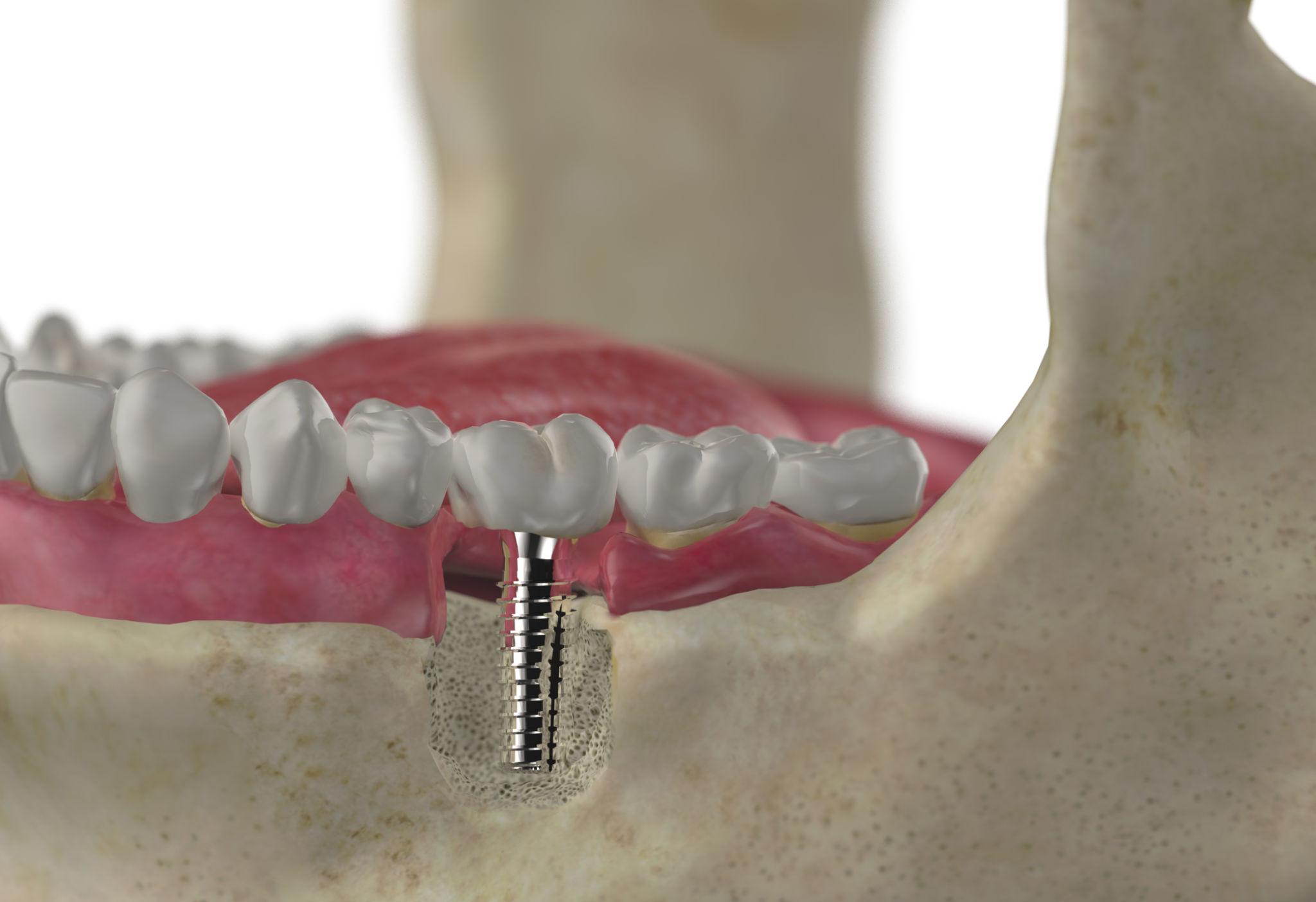
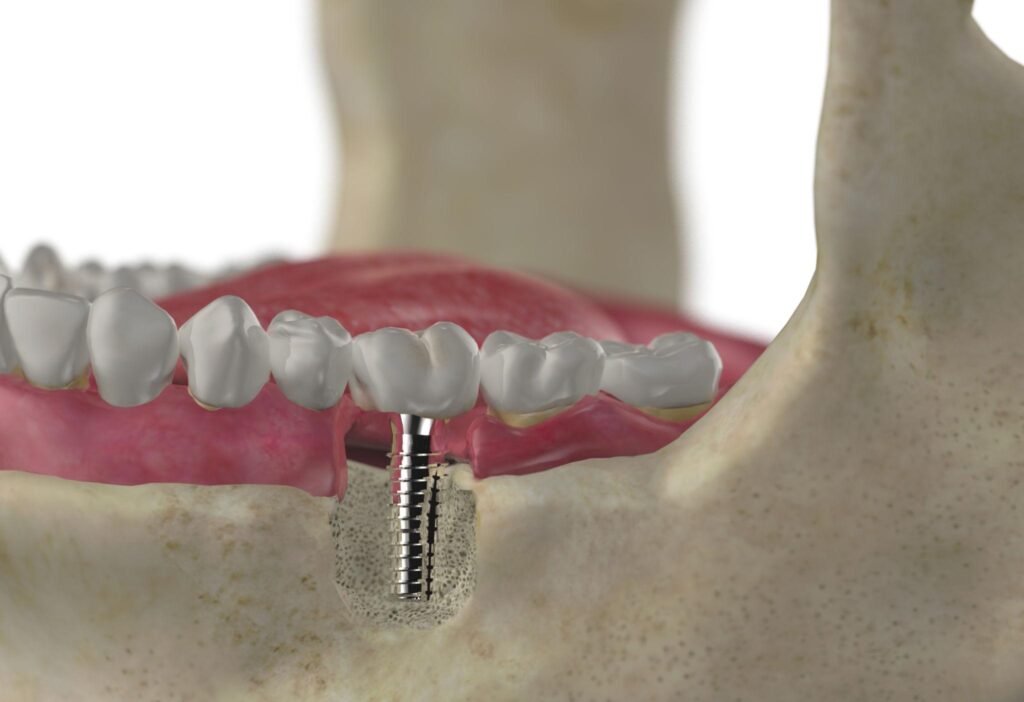
One of the reasons dental implants stand out is due to their method of placement. Unlike traditional dentures or bridges that rest on top of the gums or rely on adjacent teeth for support, implants are surgically anchored directly into the jawbone. These titanium posts act as artificial roots, providing a foundation for lifelike replacement teeth. This stable integration not only significantly improves the appearance of your smile but also helps restore essential functions such as eating and speaking, often to a level nearly identical to that of natural, healthy teeth. The end result is a restoration that looks, feels, and performs like your own teeth, making dental implants a preferred option among patients seeking a permanent solution.
Benefits of Dental Implants
- Natural Appearance and Function: Dental implants are designed to look, feel, and function almost indistinguishably from real teeth. Whether you are eating your favorite foods, speaking clearly without worrying about slippage, or smiling for a picture, implants provide a level of stability and confidence that many other dental restorations cannot match. Their natural-looking crowns are custom-crafted to blend seamlessly with surrounding teeth, ensuring a harmonious smile.
- Durability: Unlike dentures, which may need to be replaced every few years, or bridges, which can eventually become loose, dental implants offer exceptional durability. With consistent oral hygiene and regular dental visits for maintenance, implants often last for decades and, in many cases, the rest of your life. Their robust construction and the way the jawbone fuses with the titanium post mean they can withstand the forces of chewing and biting just as natural teeth do.
- Bone Preservation: One of the most significant advantages of dental implants is their ability to preserve jawbone health. When a tooth is missing, the underlying bone starts to deteriorate over time due to a lack of stimulation. Implants, however, help maintain bone density by actively stimulating the bone during chewing, much like natural tooth roots. This stimulation prevents bone loss and subsequent changes to facial structure, such as sagging cheeks or premature aging.
- Improved Oral Health: Implants are a conservative treatment because they do not require grinding down adjacent healthy teeth, as is sometimes necessary with bridges. This preserves more of your natural tooth structure and makes it easier to manage your oral hygiene routine. Because implants integrate independently in the jaw, brushing and flossing around them is as straightforward as it is with natural teeth.
The Dental Implant Process
- Initial Consultation: Your implant journey begins with a thorough dental assessment, during which your dentist reviews your medical and dental history, performs a full oral examination, and takes detailed images such as X-rays or 3D scans. These diagnostic tools assess bone health and determine whether dental implants are a good fit for your unique needs. This stage is crucial for creating a personalized treatment plan and identifying if procedures such as bone grafting will be required.
- Tooth Extraction (if necessary): If the tooth to be replaced is still present but damaged beyond repair, it may need to be extracted before continuing. Your dentist will ensure the extraction is done as gently as possible, often using local anesthesia to minimize discomfort and protect surrounding tissues.
- Bone Grafting (if needed): In some cases, the jawbone may not be dense or thick enough to support an implant right away. Bone grafting may be necessary to rebuild and strengthen the jawbone. This process involves adding bone material—either from another area of your body or a synthetic substitute—to the jaw, providing a solid base for future implant placement. Proper healing after grafting is essential, as it allows the bone to integrate thoroughly and ensures the implant’s long-term stability.
- Implant Placement: Once your mouth is ready, the dental implant, a small but strong titanium post, is surgically placed into the jawbone under local anesthesia or sedation. The procedure is performed with precision to position the implant correctly, where it serves as a permanent anchor for the eventual restoration.
- Healing Period: After implant placement, a process called osseointegration takes place. Over several months, the jawbone grows around the implant, securely anchoring it in place. This integration is what gives implants their renowned stability, and the healing time can vary depending on the location and number of implants, as well as overall health.
- Abutment Placement: After the bone has successfully integrated with the implant, a connector piece known as an abutment is attached. The gum tissue is allowed to heal around this abutment, creating the structure upon which your new, custom-made crown will be securely fitted.
- Crown Placement: The final step involves attaching a dental crown to the abutment. This meticulously designed crown is shaded and shaped to blend perfectly with the rest of your teeth, fully restoring the appearance and function of your smile. The result is a replacement tooth that looks and feels just like a natural one, completing your transformation.
Recovery and Aftercare
Following dental implant surgery, patients can expect some natural side effects such as discomfort, swelling, or mild bruising at the surgical site. These symptoms typically improve within a few days to a week and can be easily managed with over-the-counter pain medications, cold compresses, and rest. Good post-surgical care is essential for trouble-free healing and the long-term success of your implant.
- Brush and floss daily, taking special care to keep the implant area clean and plaque-free to reduce the risk of infection or complications. Consider using a soft-bristled toothbrush and low-abrasive toothpaste.
- For the first several weeks after surgery, avoid hard, chewy, or sticky foods. These can put unnecessary pressure on your new implant, disrupt the healing site, or even cause the crown to loosen before full integration.
- Always attend follow-up appointments with your implant dentist so they can closely monitor your healing progress. These visits allow early detection of potential issues and ensure your implant continues to integrate successfully with your jawbone.
Effective communication with your dental team is key. If you experience persistent pain, swelling, or signs of infection, contact your provider right away for prompt attention.
Potential Risks and Considerations
Dental implants have an impressive overall success rate and are generally considered safe, but like any surgical procedure, they are not without risks. Possible complications can include infection at the implant site, injury to nearby teeth or blood vessels, nerve damage resulting in pain, numbness, or tingling in the gums, lips, or chin, and, rarely, the implant failing to bond with the bone. Success rates can be significantly affected by patient-specific variables, including overall health, oral hygiene habits, bone quality, and lifestyle factors. For example, patients who smoke, have poorly controlled diabetes, or suffer from gum disease may face higher risks of implant failure. A comprehensive evaluation by your dentist, combined with a discussion about your medical history and lifestyle, is the best way to determine whether you are a good candidate for dental implants. Your dentist may recommend preparatory treatments or suggest alternatives if any red flags arise during evaluation.
Cost and Insurance Coverage
The cost of dental implant treatment can vary significantly from patient to patient. Key factors influencing the cost include the complexity of the individual case, the number of teeth being replaced, the type of implant and restoration chosen, the need for supplementary procedures like bone grafting or sinus lifts, and even the geographic location of your dental practitioner. While dental implants often require a higher initial outlay than other tooth-replacement methods, their long-lasting, highly functional results make them a cost-effective choice over time. Some dental insurance plans may offer partial coverage for implants, especially when the procedure is deemed medically necessary due to tooth loss from injury or disease. However, dental coverage varies widely, so it’s crucial to reach out to your insurance provider to clarify which aspects of your care will be covered, what portion you will need to pay out-of-pocket, and if prior authorization or documentation is required. If insurance coverage is limited, many dental practices also provide financing options or payment plans to make the cost more manageable.
Final Thoughts
Dental implants offer a reliable, permanent, and natural-looking solution to the challenges of missing teeth, helping patients regain their confidence and improve their quality of life. By thoroughly understanding the benefits, detailed process, and necessary aftercare, you are better equipped to make decisions that support your oral health and well-being. Scheduling a professional consultation is the critical starting point if you’re considering this life-changing dental solution, your path to optimal dental function and a radiant, healthy smile begins with a visit to your trusted dental provider.