
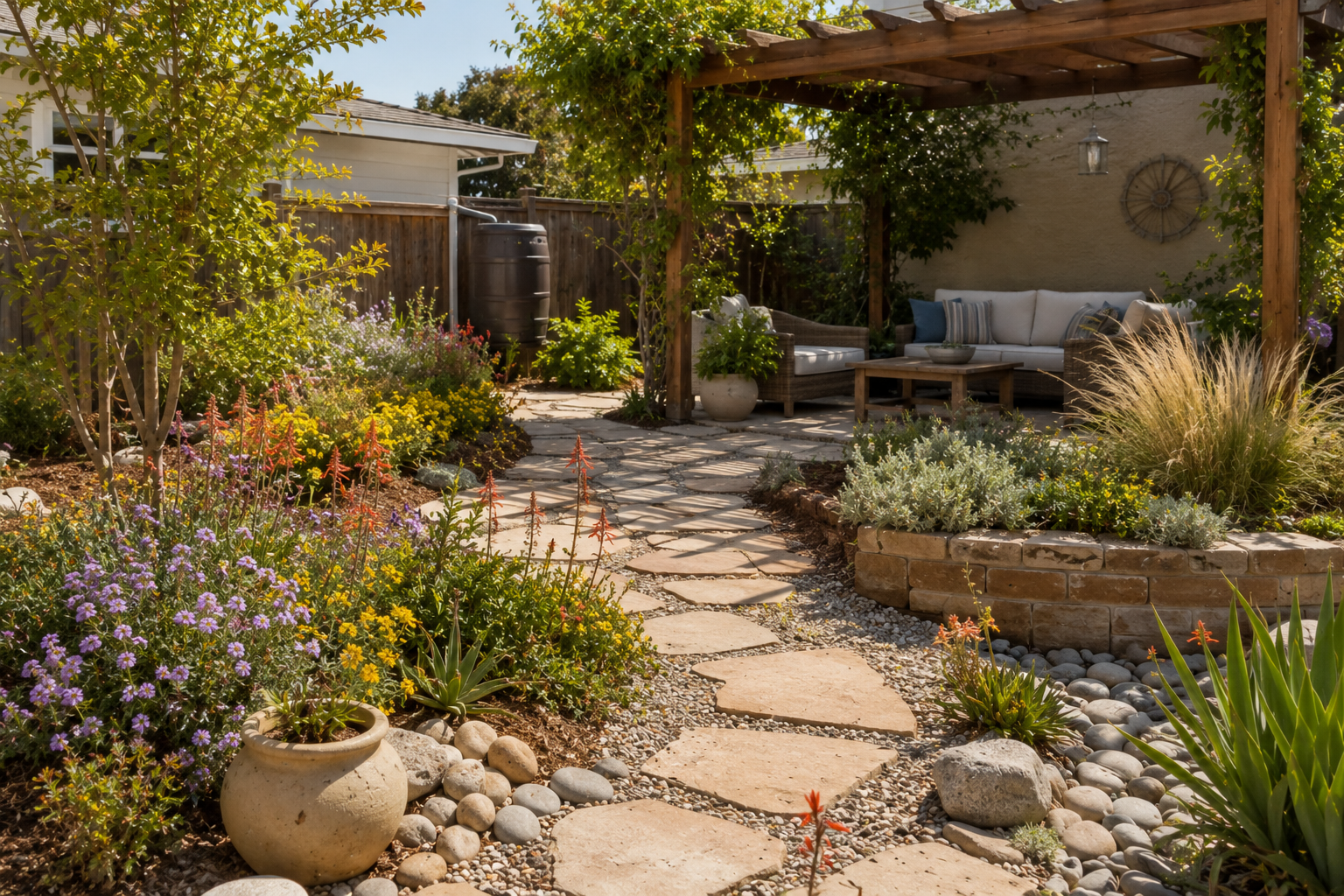
As more homeowners recognize the importance of eco-friendly practices, sustainable landscaping continues to redefine outdoor living. By balancing environmental considerations with personal enjoyment, contemporary landscape design not only enhances curb appeal but also supports the broader goal of environmental stewardship. If you’re looking to make a positive impact with your next project or simply refresh your yard, innovative ideas and creative landscaping solutions are now more accessible than ever. Vargas Bros Landscaping specializes in sustainable landscaping techniques in Southern California, offering eco-friendly methods for creating beautiful designs for homes and businesses. With years of experience, they provide customized gardens that align with local climate conditions, catering to homeowners who prioritize visual appeal and environmentally conscious practices. Their expertise can transform any outdoor space into a stunning, sustainable environment while maintaining modern comfort and convenience.
Table of Contents
Embracing Native Plantings
One of the most effective strategies for creating an eco-friendly yard is using native plant species. These plants are well-adapted to local conditions and require less water, fertilizer, and pesticides. By incorporating native flora, homeowners help preserve local wildlife and restore ecological balance. The practice of rewilding, replacing traditional lawns with native grasses or wildflower meadows, has gained popularity for its benefits to pollinators and birds, as well as for significantly reducing outdoor water consumption.
Native gardens also exhibit greater resilience against pests and regional diseases, minimizing the need for harmful chemical treatments. Local botanical gardens often provide resources and inspiration for residents seeking to incorporate indigenous varieties into their landscapes. Additionally, planting a diverse array of shrubs, flowering plants, and groundcovers fosters layered habitats that support butterflies, bees, and other beneficial insects.
Drought-Tolerant Landscaping
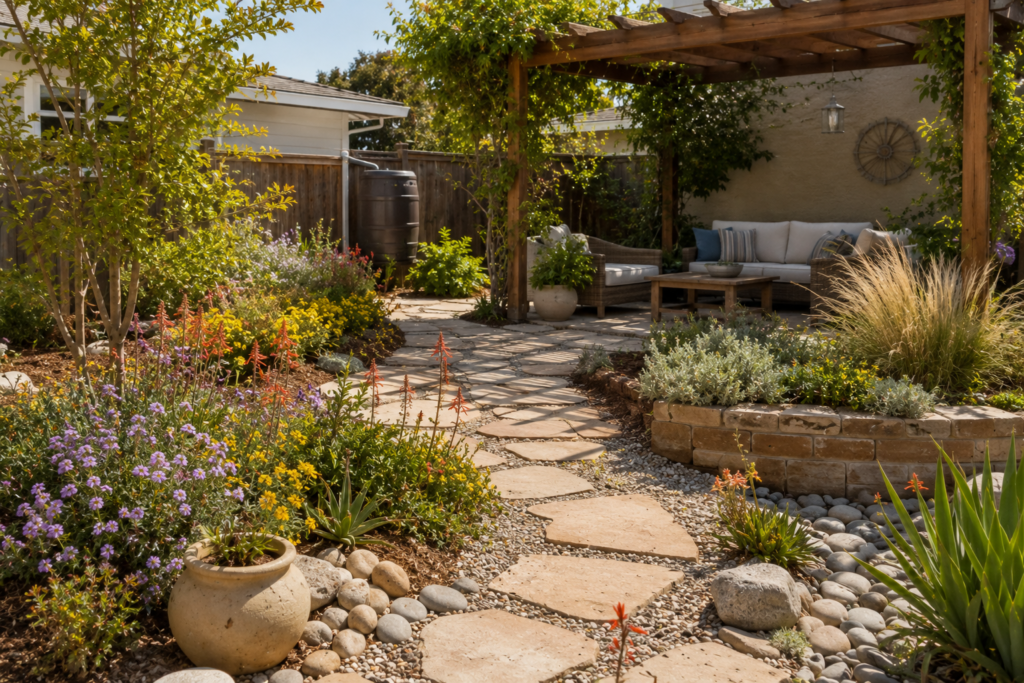
Shifts in weather patterns and regional water restrictions have prompted many property owners to explore drought-tolerant landscape design. Rather than relying on thirsty lawns, planting selections like lavender, agave, euphorbia, and ornamental grasses can create a lush, colorful garden that stands up to long dry spells. These resilient choices allow for vibrant aesthetics with reduced reliance on irrigation systems, translating to lower utility bills and more time spent enjoying the yard rather than maintaining it.
Beyond plant choice, implementing mulching strategies and grouping species with similar water needs can further enhance your landscape’s drought resilience. Using organic mulches such as bark or wood chips improves soil quality and moisture retention, keeping roots cooler and reducing evaporation. Adopting a drip irrigation system in these landscapes ensures water reaches the base of each plant efficiently, minimizing waste and runoff.
Permeable Hardscaping Materials
Managing stormwater and reducing surface runoff are essential aspects of modern landscaping. Instead of impermeable concrete or asphalt, use permeable materials such as gravel, stone pavers with open joints, or porous concrete pavers to encourage rainwater to soak into the ground. This practice not only replenishes groundwater supplies but also lessens the strain on municipal drainage systems during heavy rain. Strategic placement of these materials in paths, driveways, and patios enhances the environmental performance of outdoor spaces without sacrificing durability or style. For example, replacing traditional turf with decorative gravel can establish a striking, low-maintenance focal point that is also eco-conscious.
Many designers now integrate rain gardens or bioswales alongside permeable paving solutions, channeling excess water into planted areas that naturally filter runoff. This additional step can improve urban water quality and provide attractive green infrastructure that benefits both homeowners and the community.
Multi-Functional Outdoor Spaces
Outdoor living trends shift toward creating flexible spaces for lounging, dining, and gardening by establishing dedicated zones to maximize outdoor areas and blend indoor-outdoor living. Features like perimeter seating, fire pits, vertical gardens, and shaded pergolas boost year-round use and property value. Collaboration between homeowners and landscape architects emphasizes balance among beauty, sustainability, and functionality. Including edible plants and medicinal herbs in ornamental gardens adds utility and educational value, making spaces ideal for gathering and enjoying homegrown produce. These areas can also accommodate children with play zones or meditation corners, highlighting their versatility.
Smart Irrigation Systems
Another significant advancement in sustainable landscaping is the adoption of smart irrigation technology. Unlike traditional timers that run on fixed schedules, these systems use weather data, soil sensors, and plant requirements to deliver exactly the right amount of water. Over time, this targeted approach can reduce water waste by up to 50 percent, especially valuable in areas facing recurring drought. Many smart controllers are compatible with smartphones, allowing for real-time monitoring and adjustment from anywhere. By investing in smart irrigation, homeowners save both water and money while promoting the long-term health of their gardens.
An additional benefit is that these smart solutions allow users to keep track of seasonal needs, instantly update schedules for new plantings, and even identify leaks early—further ensuring efficient water use. Integrating such technology with rain sensors creates an automated system that adapts to changing weather, providing peace of mind and supporting a healthy garden ecosystem year-round.
Conclusion
Sustainable landscaping goes beyond trends; it’s a thoughtful approach benefiting people and the planet. By prioritizing native plants, choosing drought-resistant varieties, using permeable materials, designing versatile spaces, and leveraging smart irrigation, homeowners can create beautiful, eco-friendly yards. Expert guidance and innovative solutions help ensure lasting, effective choices. Embracing sustainability fosters healthier communities and richer outdoor experiences. As eco-friendly trends grow, neighborhoods will enjoy greener, more resilient spaces that reflect their local ecosystems and conserve resources for future generations.