
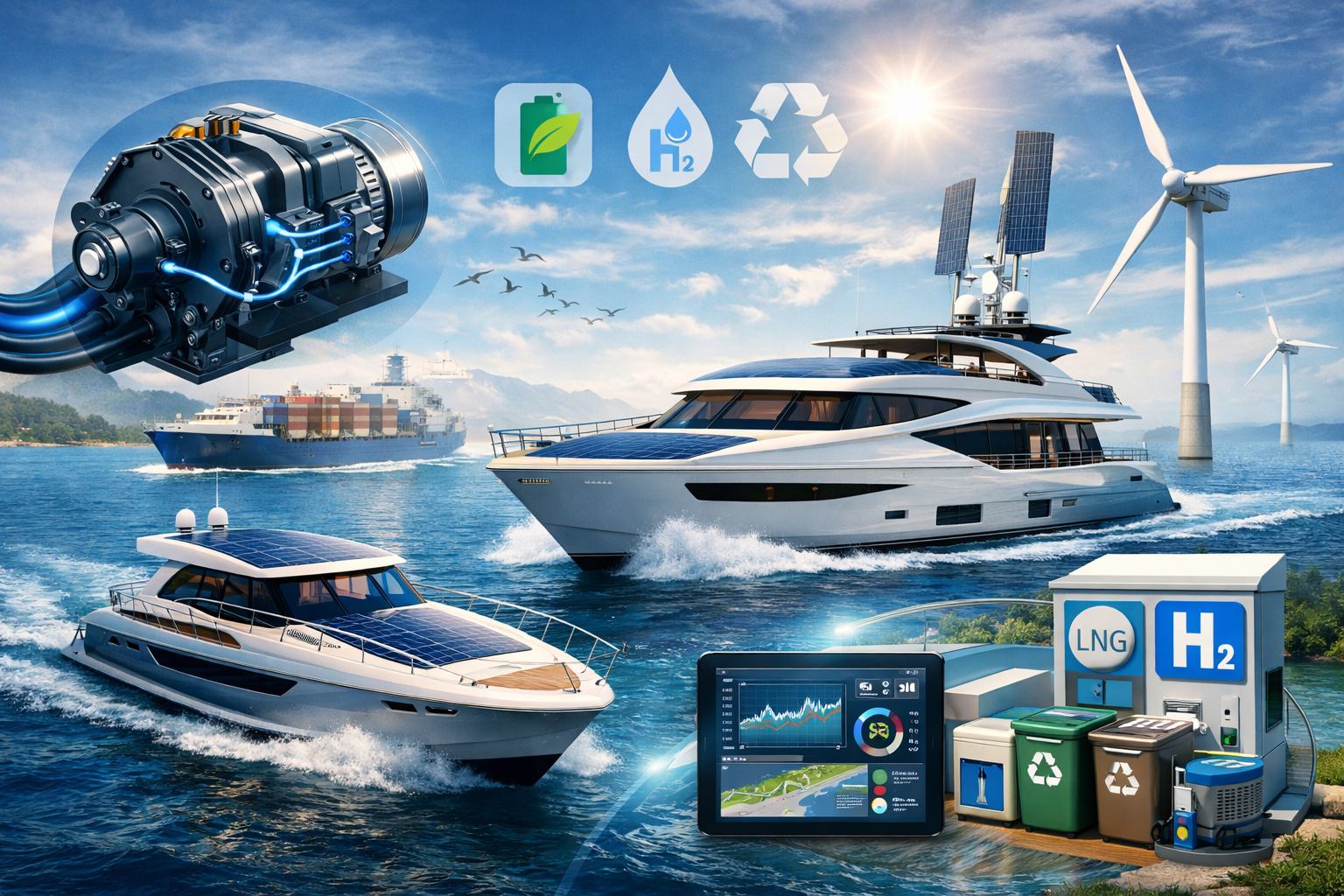
The marine world is rapidly changing thanks to a company. Still, today is for sustainability, cutting-edge innovation, and deeper environmental stewardship, reshaping the industry’s image. In the past, boating and yachting were often associated with unchecked luxury and significant ecological impact, but today, these activities can serve as compelling models for conscious technology adoption and responsible recreation. Driven by tightening regulatory pressures, a surge in consumer demand for green alternatives, and a wave of industry breakthroughs, watercraft manufacturers are rethinking how vessels are powered and operated. As global stakeholders pursue cleaner waters, improved efficiency, and drastically reduced carbon footprints, electric boat motor technology is taking center stage, rapidly transforming propulsion and efficiency across fishing boats, pleasure crafts, and commercial ships alike. The progress is not merely incremental; it is fundamentally altering how the industry sees its role in safeguarding aquatic environments for the long term.
From hybrid engines to innovative renewable energy solutions, the scope of sustainable boating technology today encompasses every facet of vessel design and operation. This evolution touches on material selection, advanced navigation tools, and onboard waste management, making sustainability a holistic priority rather than an afterthought. The leading manufacturers and marine innovators are leveraging these advancements not just to meet stringent regulations, but also to differentiate themselves to a growing, environmentally conscious clientele. As a result, each newly launched vessel raises the bar for clean energy adoption and operational responsibility, unveiling new standards for luxury and environmental impact in equal measure.
Early adopters and seasoned mariners are reaping clear benefits from embracing these technologies: reduced long-term maintenance, minimized downtime, quieter operation, and the coveted ability to cruise and anchor in ecologically sensitive waters without leaving a damaging environmental footprint. These changes also represent a meaningful leap forward in global efforts to decarbonize marine transport and protect some of the planet’s most vulnerable aquatic ecosystems, from vast oceans to delicate estuaries and coral reefs. With each innovation, the boating industry proves it can contribute to a sustainable future while offering users a superior on-the-water experience.
Table of Contents
Electric and Hybrid Propulsion Systems
One of the most significant advancements in sustainable boating is the widespread adoption of electric and hybrid propulsion systems. These groundbreaking technologies drastically reduce both direct and indirect emissions while lowering long-term operational costs for owners. Electric drivetrains offer ultra-quiet, vibration-free cruising, a significant shift from the noisy, fume-heavy operation familiar with diesel engines. Hybrid systems, which integrate efficient combustion engines with electric motors and battery storage, provide the flexibility needed for longer journeys or higher load conditions, allowing vessels to switch between or combine the two power sources for optimal performance. A leading example is the R30 by Blue Innovations Group, which has drawn attention by using only solar and electric energy, effectively eliminating the need for traditional gas, diesel, and related oil changes while also reducing annual maintenance needs. These advances set a new standard for recreational craft and commercial operators alike.
Driving this global transition is a robust surge in research, investment, and public–private collaboration in scalable, efficient solutions suited for both leisure and commercial vessels. Many manufacturers now have dedicated R&D teams focusing exclusively on enhancing electric range, battery density, and the reliability of hybrid configurations. Major international boat shows, including those in Miami, Monaco, and Genoa, now feature electric and hybrid propulsion systems as headline attractions, often drawing large crowds and significant media buzz. The industry’s attention signals a lasting transformation, not a passing trend, as more maritime operators recognize the operational savings and reputational boost that come from going green.
Alternative Fuels
As part of the broader global effort to decarbonize marine activities, the use of alternative fuels is experiencing unprecedented momentum. In just the past year, over half of all new medium-to-large ship orders have been specified for compatibility with alternative fuel sources such as liquefied natural gas (LNG), methanol, ammonia, and even clean-burning hydrogen. LNG and hydrogen are especially praised for their ability to reduce major air pollutants, such as nitrogen oxides, sulfur oxides, and particulate matter, making them crucial for busy ports and urban waterfronts where air quality is closely monitored. These advancements are essential for compliance with emerging regulations throughout Europe and worldwide, as governments increasingly rely on economic incentives to reward vessels operating on cleaner fuels and penalize those that continue to use high-emission, traditional marine diesel. The trend toward alternative fuels marks a vital milestone, especially for large commercial fleets and container ships, by significantly shrinking their operational carbon footprints while paving the way for fully renewable options in the future.
Renewable Energy Integration
The seamless integration of renewable energy systems aboard yachts and boats is becoming a defining feature of modern marine design. Solar panel arrays, now more efficient and less obtrusive, are built directly into superstructures, roofs, and deck spaces, generating significant amounts of clean electricity to power onboard systems and, in some cases, augment propulsion. This not only reduces environmental impact but also increases independence, allowing vessels to anchor for more extended periods in remote areas without relying on noisy generators or frequent fuel deliveries. Wind energy is also making a comeback, with modernized sails, rigid wings, and wind-assist propulsion technologies designed for both leisure and larger motoryachts. These systems can dramatically reduce overall fuel consumption during passages, turning wind, a free and endlessly renewable resource, into a significant ally for sustainability. As reported in recent industry overviews, combining solar and wind technologies with high-capacity battery storage further optimizes energy management, helping operators lower emissions while maximizing time spent at sea.
Sustainable Materials
Sustainability in boatbuilding extends well beyond how a vessel moves; it also involves what it’s made of. Shipyards and boatbuilders are now investing in eco-friendly, innovative materials, incorporating recycled aluminum, plant-based bio-resins, and natural fibers such as flax or hemp into both hull and deck construction. Such choices reduce the embedded carbon footprint of marine craft from the extraction of raw materials through end-of-life disposal or recycling. Interior and exterior fit-outs now often feature woods sourced from certified sustainable forests, and designers are working to reduce plastics and synthetic materials wherever possible. These initiatives help lower the lifecycle impact of each vessel while still meeting the marine industry’s high standards for luxury, comfort, durability, and structural strength. Improved adhesives, paints, and coatings with lower volatile organic compound (VOC) emissions are also being prioritized to create a healthier onboard environment for owners, crews, and marine life.
Smart Technology Integration
Digital transformation is enabling new levels of energy efficiency, safety, and convenience at sea. Innovative energy-monitoring software now gives crews and yacht owners instant feedback on onboard power consumption, enabling them to optimize high-drain systems such as heating, air conditioning, refrigeration, and propulsion as conditions change. The integration of Internet of Things (IoT) sensors and machine learning adds even more value, providing predictive maintenance to identify issues before they become expensive, wasteful, or environmentally damaging failures. Automation of route planning, dynamic weather routing, and real-time speed adjustments contribute to intelligent fuel savings by helping vessels take the most efficient paths and adapt to conditions minute by minute. These technologies provide a win-win for both operators, who see operational cost reductions, and regulators tasked with enforcing environmental standards across the industry.
Advanced Waste Management Systems
Modern sustainable yachts and ships are increasingly equipped with advanced waste-management systems built into their designs. These solutions include the separation and recycling of greywater and blackwater, the use of biological treatment tanks to process wastewater onboard, and the adoption of onboard composting systems for food and organic waste. The routine use of certified biodegradable cleaning products and personal care items is on the rise, minimizing harmful chemical runoff into marine environments. Additionally, many new vessels are equipped with filtration systems that capture and significantly reduce the discharge of microplastics, fibers, and other persistent pollutants, supporting compliance with both national and international marine discharge regulations. These improvements are an essential step forward, supporting not only legal compliance but also active ocean conservation and the protection of aquatic wildlife.
Regulatory Frameworks and Industry Commitments
Marine regulations at both national and international levels continue to evolve rapidly, focusing on emission reductions, operational transparency, and corporate accountability in all aspects of marine transport. Frameworks such as the UK’s Sustainability Reporting Standards and the International Maritime Organization’s (IMO) carbon-reduction goals are compelling yacht builders, shipyards, and operators to overhaul construction practices, power choices, and resource management strategies for new builds and refits. The IMO’s ambitious mandate to achieve net-zero greenhouse gas emissions by or around 2050 is placing significant pressure on all industry players to accelerate the adoption of sustainable marine energy today. This global regulatory shift signals an era of profound change; it ensures that boatbuilders, technology companies, and owners alike will need to remain agile and innovative to comply with, and thrive inside, this new standards-driven reality.
Conclusion
The marine sector stands on the threshold of a cleaner future, driven by transformative advances in propulsion technologies, renewable energy integration, materials engineering, and intelligent systems interconnected across every level. By investing in electric and hybrid power, embracing alternative and renewable fuels, adopting greener materials, and deploying robust waste-management protocols, today’s boat owners and marine manufacturers are reshaping what it means to cruise responsibly. These combined efforts not only bring substantial ecological benefits and compliance with strict new regulations but also offer a pathway to long-term operational savings, resilience, and a positive brand reputation. As the sector continues to evolve, these changes will help secure the promise of healthier oceans and waterways for generations to come, aligning human adventure with technological innovation and environmental stewardship.