
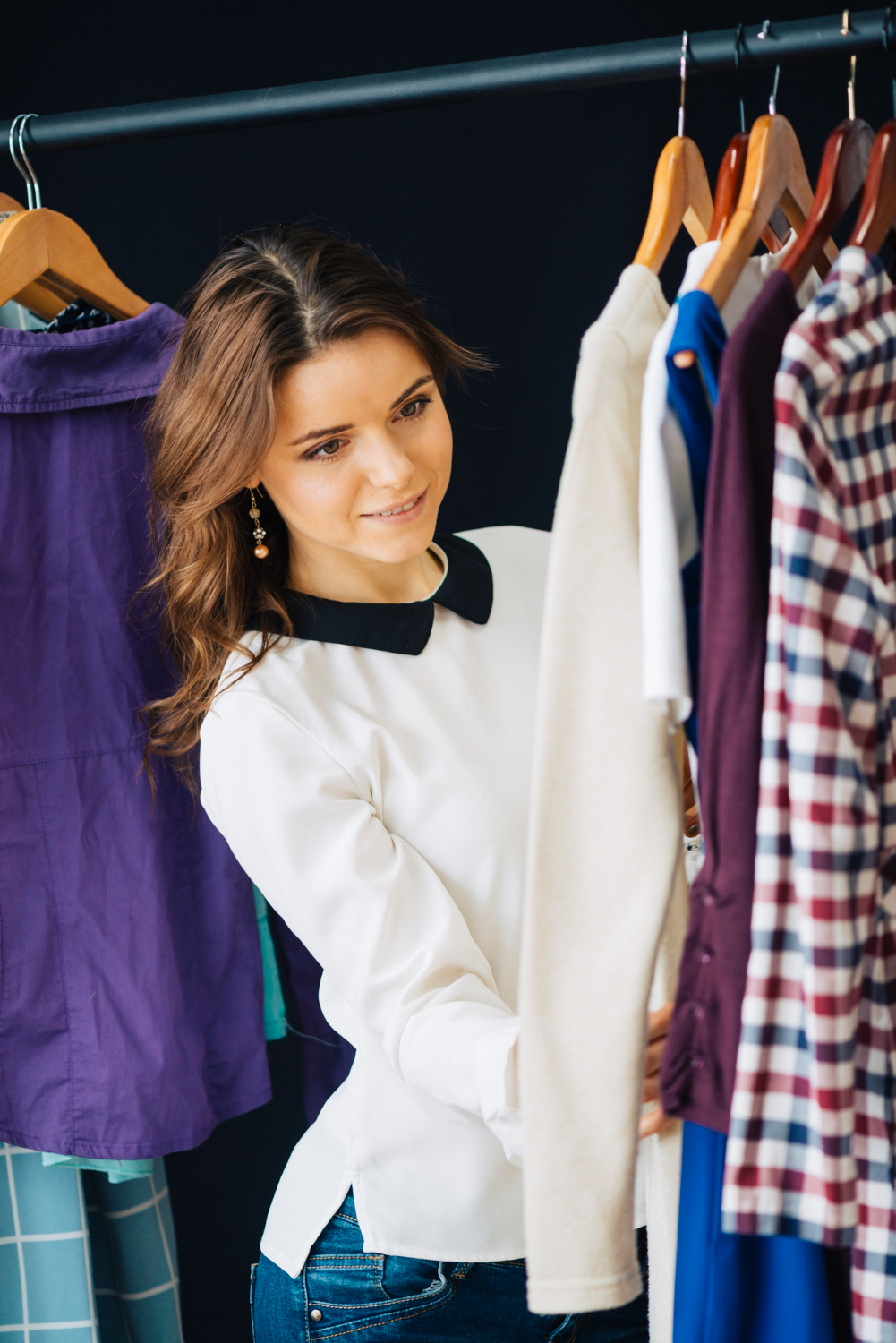
A wrinkled shirt or polished shoes can say more than an hour of conversation. The clothes you choose before walking out the door carry information you never intended to share. They speak before you open your mouth, and the person across the table reads them faster than you might expect.
First impressions happen quickly. Research confirms that opinions form in less than 30 seconds during initial meetings. Your date has already made a series of assumptions about your personality, your level of effort, and your interest in them before appetizers arrive. Clothing functions as a silent introduction, one that either aligns with or contradicts everything you say afterward.
This matters because dating is high-stakes communication. You want to be known, and you want to know the other person. The outfit you select becomes part of that exchange, sending signals about how seriously you take the occasion and what you value in yourself.
Table of Contents
What Your Outfit Signals Before You Say a Word
People form opinions about a date in under 30 seconds, and clothing drives much of that judgment. Research shows 52% of daters say outfit choice affects their interest in a second meeting. Among those aged 25 to 34, that number climbs to 72%. Clean, well-fitted clothes signal respect and interest, according to over 70% of survey participants.
Whether someone shows up looking like a sugar daddy or mama, dressed casually, or in something bold, the choice reveals priorities and self-awareness. Studies by Hajo Adam and Adam Galinsky in 2012 introduced the term “enclothed cognition” to describe how clothing shapes thoughts and behavior, confirming that what you wear alters how you carry yourself.
Fit and Cleanliness Carry Weight
There is a difference between expensive clothing and well-maintained clothing. The price tag matters less than the condition. A clean, pressed shirt that fits your body properly creates a different impression than a designer item that hangs loosely or shows wear.
Survey data shows that over 70% of people associate clean, well-fitted attire with respect and genuine interest. This connection makes sense. Taking time to ensure your clothes are in good condition suggests you care about the occasion. It signals forethought and attention.
Fit also affects how you move. Clothes that suit your body allow you to sit, gesture, and walk comfortably. This ease translates into confidence, which others notice even if they cannot name what they are seeing.
Color Sends Its Own Message
Research has found that people choose to wear red more often on first dates compared to other social situations. This pattern holds for both men and women. Separate studies confirm that targets wearing red are rated as more attractive when evaluated by the opposite sex, compared to those wearing white.
Color choice operates on a level most people do not consciously register. Red carries associations with energy, attraction, and boldness. Other colors carry their own meanings. Black suggests sophistication or formality. Blue tends to read as calm and trustworthy. Earth tones feel approachable and grounded.
Your selection does not need to be calculated, but it does communicate something. The shade you reach for in your closet reflects your mood, your intention, and the version of yourself you want to present that evening.
Formality Reveals Expectations
Showing up overdressed can feel awkward. Showing up underdressed can feel disrespectful. The level of formality you choose tells your date what kind of evening you anticipated and how much thought you gave to the meeting.
54% of women and 44% of men connect fashion choices with seriousness and respect. The gap between those numbers is smaller than you might assume. Both groups pay attention. Both groups draw conclusions.
If you wear athletic clothes to a dinner reservation, you communicate something about your priorities. If you dress formally for a casual coffee, you might come across as trying too hard or misjudging the situation. Matching your outfit to the setting shows social awareness.
Personal Style and Self-Knowledge
46% of people believe a first-date outfit offers insight into personality and preferences. This belief is reasonable. The clothes you wear reflect decisions about color, cut, pattern, and texture. Those decisions stem from your sense of self.
Someone who gravitates toward structured, tailored pieces likely values precision and order. Someone who favors loose, comfortable clothing may prioritize ease and practicality. Bold prints and bright colors suggest a willingness to be noticed. Neutral tones and simple lines suggest restraint.
None of these styles is better than another. Each one communicates different information. The point is that your clothing reveals how you see yourself and how you want others to see you.
The Internal Effect of Getting Dressed
Enclothed cognition describes a real phenomenon. The clothes you wear alter your internal state. Putting on an outfit that feels good changes how you think and behave. You sit differently. You speak differently. Your posture improves.
This means your outfit choice serves you as much as it serves your date. Wearing something that makes you feel confident increases the likelihood that you will act confidently. The garment becomes part of your performance, not in a dishonest way, but in a supportive one.
Choosing clothes for a date is not vanity. It is preparation. You are setting yourself up to feel comfortable, present, and ready to connect with another person.
Reading and Being Read
Dating involves mutual observation. You are being assessed, and you are assessing in return. The clothes your date wears tell you something about them, and yours tell them something about you.
This exchange happens constantly, in both directions. Paying attention to these signals can help you understand someone faster. It can also help you present yourself more intentionally. Clothing is a tool, and using it well requires only a small amount of effort and a large amount of honesty about who you are.