
Table of Contents
Understanding the Traditional Recommendations
For generations, it has been routine to visit the dentist every six months, a tradition founded on the principle of detecting dental issues early and maintaining consistent oral hygiene. Most dental professionals have endorsed this schedule as a preventive measure, promoting habits that lead to better long-term outcomes. Yet, research now challenges whether this schedule is universally needed.
The idea behind twice-yearly appointments has always focused on prevention—identifying cavities, gum disease, or other problems before they progress. Still, as our understanding of oral health advances, questions have arisen about whether a six-month timetable reflects individual patient needs for care, such as dentist Evanston. Factors such as age, genetics, diet, and personal oral hygiene habits can influence how frequently someone actually requires professional dental care. Some patients with excellent oral health may require fewer visits, while others with higher risk factors may benefit from more regular monitoring. Personalized care plans, developed in consultation with a trusted dental professional, ensure each patient receives the most appropriate and effective preventive care.
Personalized Dental Care: A New Perspective
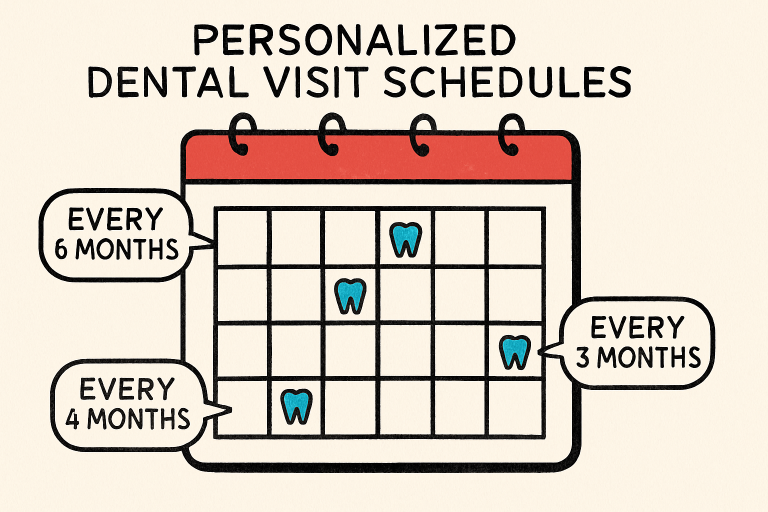
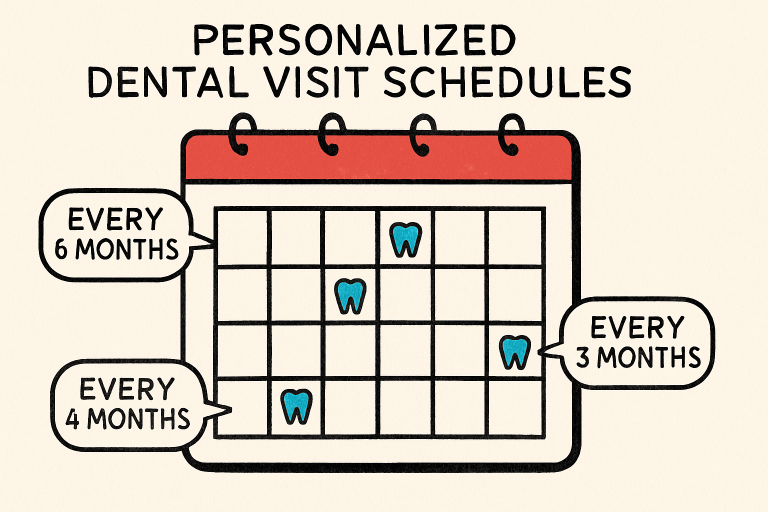
Recent scientific findings advocate for a shift toward customized dental care schedules. Rather than a blanket recommendation, the frequency of dental visits depends on several unique factors, including genetics, personal oral hygiene, diet, age, past dental history, and medical conditions. Individuals who are free from cavities or gum disease and maintain diligent home care may require only annual visits, while those at higher risk will benefit from more frequent visits to their dentist.
A conversation with your dental professional can help determine how often check-ups are needed. This personalized model supports a targeted and efficient approach, helping patients preserve their smiles and avoid unnecessary treatment.
Evidence from Recent Studies
Substantial research now supports the move toward tailored dental schedules. A pivotal 2020 Cochrane review revealed there were no major differences in oral health outcomes for people who had traditional six-month cleanings versus those on risk-based schedules. This evidence supports a shift in international and national dental guidelines toward personalized or customized care.
Other studies have found that adults who practice good oral hygiene and have minimal risk factors can go as long as a year between check-ups without increasing their risk of gum disease or tooth decay. This supports the idea that regular assessments and open communication with your dental provider are most important.
High-Risk Groups and More Frequent Visits
Certain individuals have more complex dental needs and should never skip regular dental care. Those with chronic illnesses like diabetes or heart disease, a history of extensive dental work, gum disease, or lifestyle risks (such as heavy smoking or drinking) fall into this category. For these patients, a dentist typically recommends visits every three to six months, ensuring that any emergent issues are quickly addressed and managed.
The Role of Preventive Care
Preventive dental care is more than just maintaining clean teeth—it includes deep professional cleanings, fluoride applications, and thorough inspections for cavities and early gum disease. Dentists can also spot early signs of oral cancer and other serious issues during these visits, vastly improving treatment outcomes if problems are detected. Preventive care also enables dental teams to provide practical advice for at-home care, encouraging patients to adopt healthier daily habits.
Oral Health and Overall Well-being
Oral health has significant ramifications beyond the mouth. Gum infections and chronic inflammation have been linked to systemic conditions like diabetes and cardiovascular disease, making routine visits essential for people of all ages. According to Harvard Health Publishing, taking care of your teeth helps reduce the risks associated with other major health problems and enhances overall well-being.
Overcoming Barriers to Dental Care
Cost, dental anxiety, and inaccessible locations are barriers that can prevent people from seeking care. Affordable dentistry is often available through dental schools and community-based programs, helping to offset expenses for those without dental insurance. Sedation options and anxiety-friendly practices are also making it easier for patients with dental fears to receive routine care, allowing for a more comfortable experience overall. For those who have postponed visits due to practical challenges, local resources and innovative technology can help bridge the gap.
Final Thoughts
The standard advice to visit the dentist every six months is no longer a universal rule, as it is no longer supported by leading dental organizations and recent scientific research. Individualized dental schedules based on personal risk result in the best health outcomes—and make dental care more efficient and accessible. Consult with your dentist to develop a personalized care plan tailored to your specific needs, ensuring your smile and overall health remain in optimal condition for years to come.