
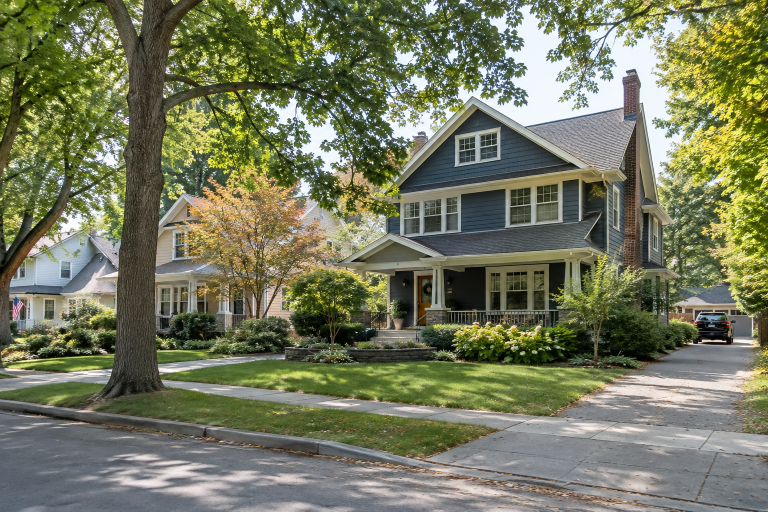
For many Ann Arbor families, the home is the largest asset they own and the center of decades of memories. Planning for its transfer can help loved ones avoid unnecessary delays, uncertainty, and a court-supervised estate administration after a death. Homeowners who want guidance tailored to Michigan law can begin by reviewing https://www.mannorlawgroup.com/ann-arbor-estate-planning-lawyer/ as they consider the documents and ownership arrangements that may fit their circumstances.
Avoiding Washtenaw County Probate Court does not mean avoiding every responsibility after someone dies. Bills, taxes, creditor issues, and property maintenance can still require attention. The goal is to arrange ownership and instructions so that appropriate assets transfer efficiently to the intended people, while preserving clear records and a workable plan for the family.
Table of Contents
- 1 Start With an Inventory of What You Own
- 2 Understand What Usually Goes Through Probate
- 3 Use a Revocable Living Trust Thoughtfully
- 4 Review Beneficiary Designations and Joint Ownership
- 5 Keep a Will, Even When Probate Avoidance Is the Goal
- 6 Plan for Incapacity, Not Only Death
- 7 Address Children, Blended Families, and Special Circumstances
- 8 Organize Documents and Update the Plan
- 9 Final Thoughts
Start With an Inventory of What You Own
Before choosing a will or trust, create a practical list of assets, debts, and important records. Include the Ann Arbor home, any cottage or rental property, bank and investment accounts, retirement plans, life insurance, vehicles, business interests, valuable personal property, and digital assets. Record approximate values, account numbers, how each asset is titled, any named beneficiaries, and where deeds, statements, and passwords are securely stored.
Also list mortgages, home equity loans, credit cards, personal loans, and recurring household bills. A successor trustee, personal representative, or family member will have a much easier time preserving a home near Kerrytown, Burns Park, or any other local neighborhood when they can quickly locate insurance information, utility accounts, tax records, and repair contacts.
Understand What Usually Goes Through Probate
Probate generally concerns assets owned by a deceased person alone when there is no effective beneficiary designation or other automatic transfer arrangement. A will tells the court and the personal representative how probate assets should be handled, but it does not avoid probate. Michigan recognizes many nonprobate transfer arrangements, including beneficiary provisions in insurance policies, retirement plans, account agreements, and trusts, as described in the state’s rules for nonprobate transfers at death.
Not every estate requires a full court case. Michigan provides simplified procedures in some situations, but eligibility depends on the property involved and the facts of the estate. A plan designed while the homeowner is alive is usually more flexible than asking relatives to sort out ownership after a death.
Use a Revocable Living Trust Thoughtfully
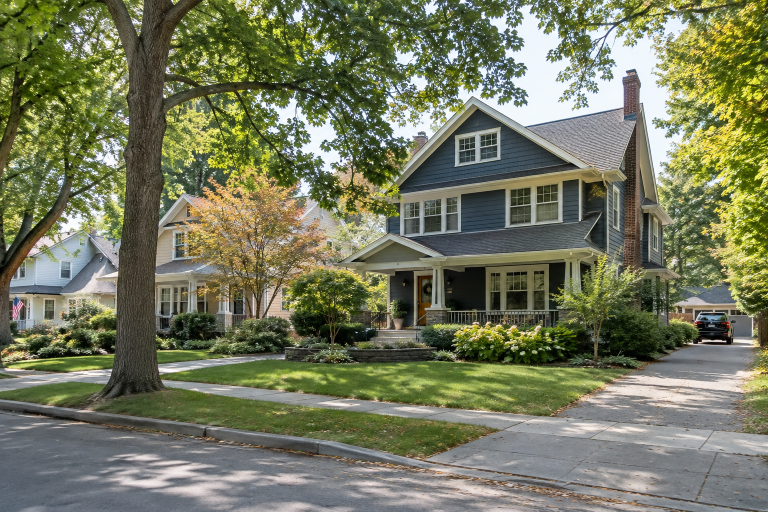
A revocable living trust is one common tool for Ann Arbor homeowners seeking to reduce the chance that a home will need probate administration. The homeowner can generally serve as the initial trustee and retain control during life. The trust document names a successor trustee to manage trust assets after incapacity or death and identifies who should receive them.
However, signing a trust is only part of the process. The trust must be funded. For a home, that commonly means completing and recording a deed that transfers ownership to the trust, while considering mortgage, title, insurance, and tax implications. Bank and investment accounts may also need to be retitled or coordinated with the trust. An unfunded trust may leave property in the individual’s name, in which case probate may still be necessary.
Why a Trust Can Be Useful
- It can provide continuity if the homeowner becomes unable to manage finances or property.
- It can provide instructions for distributing a home, sale proceeds, or other assets.
- It can help a successor trustee manage assets without relying on probate for properly titled trust property.
- It can set rules for young beneficiaries, blended families, or beneficiaries who need help managing an inheritance.
Review Beneficiary Designations and Joint Ownership
Retirement accounts, life insurance, annuities, payable-on-death bank accounts, and transfer-on-death investment accounts can pass to a named beneficiary. These designations deserve the same care as a will because they may control who receives the asset. Review primary and contingent beneficiaries after marriage, divorce, births, deaths, or major changes in family relationships.
Joint ownership can also result in property passing to a surviving owner, but it should not be added casually. The deed language, type of property, relationship between owners, creditor concerns, and each owner’s estate plan all matter. Adding an adult child to a deed may create consequences during the homeowner’s lifetime and may not accomplish the result the family expects.
Keep a Will, Even When Probate Avoidance Is the Goal
A complete plan often includes a will, a trust, and beneficiary designations. A will can name an executor, nominate guardians for minor children, and address assets that were not transferred to a trust or otherwise arranged to pass outside probate. It is a vital safety net, although it may need to be filed with the probate court if it controls property left in the individual’s name.
Plan for Incapacity, Not Only Death
Probate avoidance should be paired with incapacity planning. A durable financial power of attorney can authorize a trusted agent to pay bills, work with financial institutions, manage property, and handle other financial matters if the homeowner cannot act. A healthcare directive or medical power of attorney can identify the person authorized to communicate healthcare choices when the patient cannot do so.
Choose agents and successor trustees based on trustworthiness, practical judgment, availability, and willingness to serve. Name backups whenever possible. Discuss the role with each person before signing documents, particularly if the plan involves managing a home, rental property, family business, or investments.
Address Children, Blended Families, and Special Circumstances
Parents of minor children should nominate guardians and consider who would manage inherited funds. A trust can delay large distributions until a child reaches an age chosen by the parent. Blended families often need especially clear instructions about whether a surviving spouse may live in or receive income from a home and what should eventually pass to children from an earlier relationship.
If a beneficiary receives needs-based public benefits, a direct inheritance could affect eligibility. A properly designed special needs trust may be worth discussing before naming that person directly on an account or deed. Families should seek individualized legal and benefits guidance before making transfers in this situation.
Organize Documents and Update the Plan
Keep original estate planning documents in a secure, accessible location. Tell the people who need to know where they are, without broadly sharing sensitive account credentials. Maintain a separate secure list of email accounts, cloud storage, online financial accounts, digital photos, and other digital assets.
Review the plan after a marriage, divorce, birth, death, serious diagnosis, move, home purchase or sale, retirement, inheritance, or change in a chosen fiduciary’s ability to serve. A regular review every few years can also identify outdated beneficiary forms, missing trust funding, and changes in the family’s goals.
Final Thoughts
A well-coordinated plan can make it easier for an Ann Arbor family to preserve a home, manage affairs during incapacity, and transfer property with less court involvement. The strongest plans do not rely on a single document. They coordinate a will, trust when appropriate, powers of attorney, beneficiary designations, ownership records, and clear instructions for the people who will step in when help is needed.