
For residents of Chicagoland, IL, ensuring a steady supply of hot water is more than just a comfort, as it is a necessity for dealing with the region’s cold winters and varying seasonal weather. From showering on frosty mornings to running energy-efficient homes, the right water heater can directly affect your household expenses and daily routines. If you are searching for professional assistance, explore reliable Water Heater replacement in Chicagoland, IL to help make the process seamless and tailored to local conditions. Whether you are upgrading due to an aging system or choosing a model for new construction, understanding your options helps you select a water heater suited to your household’s needs and Illinois’s unique climate trends.
The humid summers and subzero winters found throughout Chicagoland put extra demands on home water heating systems, making it vital to balance efficiency, reliability, and the availability of energy sources. Beyond convenience, your choice impacts energy costs and environmental footprint, two important factors for any Chicagoland homeowner. It is also helpful to review current best practices for energy-efficient appliances while considering warranty and maintenance support, which are critical for long-term home investments.
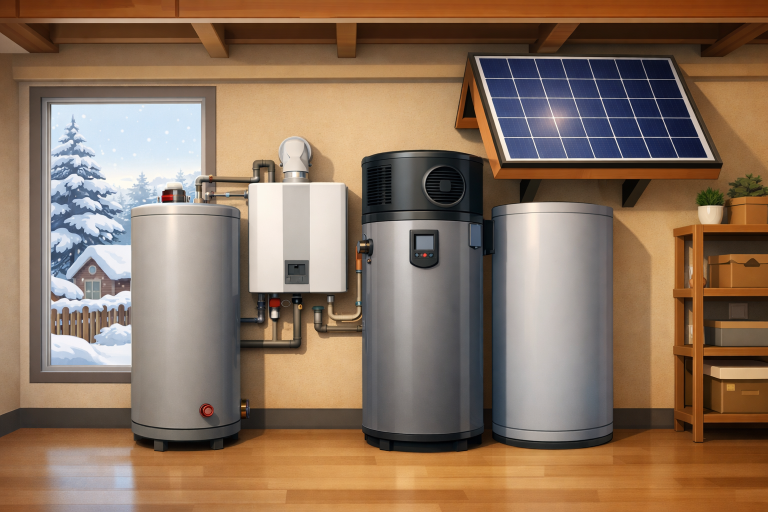
Table of Contents
Understanding Your Household’s Hot Water Needs
Before browsing models, carefully assess your household’s hot water usage. A typical family in Chicagoland may have multiple bathrooms, dishwashers, and washing machines running concurrently, all taxing the available hot water supply. Consider daily routines, peak usage times, and the number of people in your home. A couple in a downtown condo may have different needs than a large family in a suburban house with a soaking tub and backyard pool. For additional advice on choosing energy-efficient home equipment, see the U.S. Department of Energy’s guide to water heating for up-to-date recommendations and cost-saving tips.
Types of Water Heaters
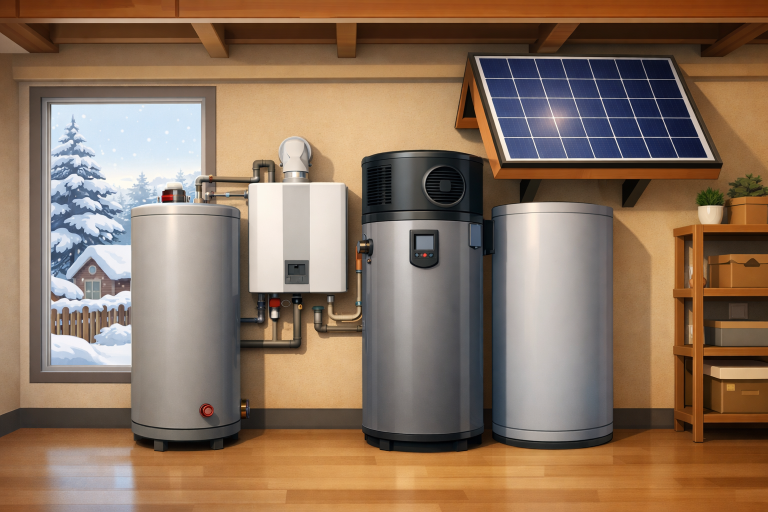
Modern water heaters offer a variety of options for Chicagoland homeowners, each suited for different needs and spatial constraints:
Storage Tank Water Heaters
Still the most common in Illinois homes, these units store and heat a large tank of water (typically 30 to 80 gallons). While affordable upfront and straightforward to install, they are vulnerable to heat loss during cold nights and can run out of hot water during periods of high demand.
Tankless (On-Demand) Water Heaters
Tankless heaters instantly heat water as needed. Homeowners in Chicagoland appreciate its space-saving design, which is perfect for smaller homes and condos. They cost more initially but are more efficient, and they never leave you in the cold with an empty tank.
Heat Pump (Hybrid) Water Heaters
These advanced heaters use electricity to draw warmth from the surrounding air, which works best in moderate to warm spaces like basements or utility rooms. Although they may not be ideal for unheated garages in a Midwest winter, they offer significant savings wherever consistent indoor temperatures can be maintained.
Solar Water Heaters
Though solar water heating can be appealing for eco-conscious homeowners, Chicago’s cloudy winters and variable sun make these systems a supplementary rather than a primary solution. They can help reduce your carbon footprint, but plan for an additional backup system to stay comfortable year-round.
Fuel Source Considerations
Chicagoland’s infrastructure offers a mix of fuel options, so your water heater selection will depend on which energy sources you have access to and their local rates:
- Electricity: Available everywhere but subject to higher rates, especially when demand peaks in winter.
- Natural Gas: Common in Chicagoland suburbs, usually more cost-efficient for high hot water demand.
- Propane: An option for rural areas lacking natural gas lines, though prices can fluctuate more than gas or electric.
- Solar: Feasible as a supplement, especially in homes with good sun exposure, but less practical as the sole heating option in the Midwest climate.
Energy Efficiency and Operating Costs
The Midwest’s fluctuating temperatures mean energy efficiency is crucial for reducing long-term bills. Look for high Energy Factor (EF) or Uniform Energy Factor (UEF) ratings. Tankless and heat pump models generally outperform traditional electric heaters, but costs and benefits vary based on installation specifics and local utility rates. According to Consumer Reports, hybrid and tankless models often pay off in areas with higher-than-average energy costs like Illinois.
Installation Space and Requirements
Older Chicagoland homes often have tight mechanical rooms or unfinished basements. Tankless models can be wall-mounted, freeing up floor space, while traditional tanks require a dedicated area. Ensure your home’s electrical or gas system can support your new unit, and that the necessary venting or drainage systems are in place before installation.
Maintenance and Lifespan
Regular maintenance maximizes efficiency and life expectancy. Southern Lake Michigan’s hard water can speed up sediment accumulation in tank models, requiring annual flushing. Tankless systems last up to 20 years, but also need routine descaling. Heat pumps require clean air filters and regular inspection for optimal operation. Average lifespans:
- Storage Tank: 8 to 12 years
- Tankless: 15 to 20 years
- Heat Pump: 10 to 15 years
Cost Analysis: Upfront vs. Long-Term
Upfront costs can be misleading, as long-term savings from increased energy efficiency matter more in the harsh Midwest climate. Tankless or hybrid heaters often mean higher initial investment but lower monthly bills. Factor in installation, potential upgrades to home electrical work, and anticipated maintenance to get a clear picture of the total cost of ownership.
Conclusion
Chicagoland homeowners face specific challenges when it comes to reliably heating water year-round. By understanding your household’s needs, comparing fuel types, paying attention to installation and efficiency, and working with local experts, you can select the perfect water heater for comfort and cost control. Prioritize both immediate practicality and future savings to enjoy dependable hot water, no matter what the Illinois weather brings.