
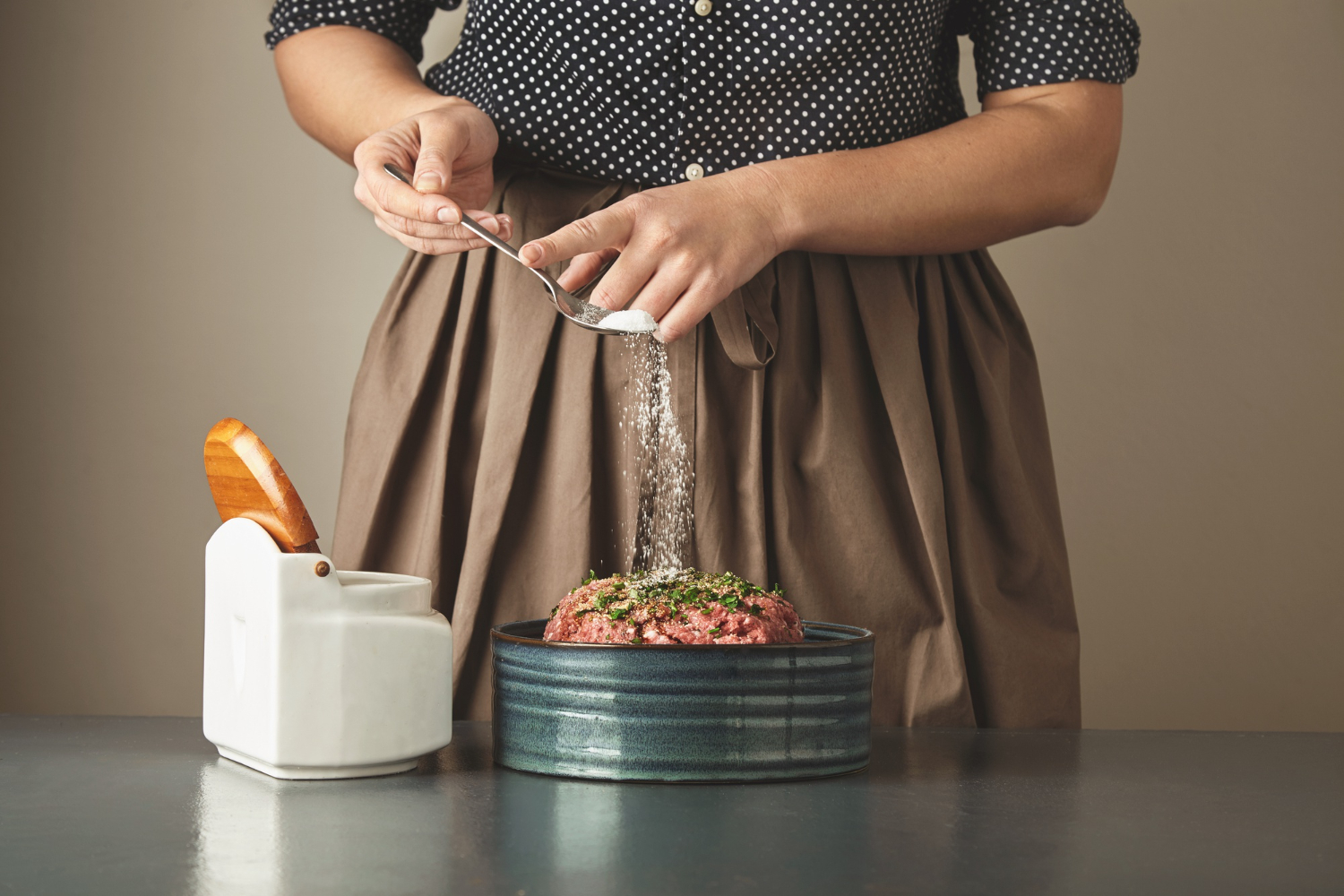
You’ve probably invested real money into sourcing quality protein. Maybe you drive to the good butcher, maybe you subscribe to a premium meat service. You read labels, check marbling, ask questions about breed and diet. But here’s the uncomfortable truth: you can buy the best beef in your region and completely waste its potential with mediocre seasoning. The flavor story of your meal doesn’t begin with the meat; it begins with the spice blend that will sit on top of it.
Most home cooks have this backwards. They treat seasoning as the final step, the quick shake of salt and pepper right before the pan hits heat. This is why so many expensive dinners fall flat. The spice blend isn’t a garnish. It’s the foundation of flavor architecture, and when you get it right, even modest cuts of meat become memorable.
Table of Contents
- 1 Key Takeaways
- 2 Why It Matters
- 3 The Real Flavor Foundation
- 4 How Fresh Spices Change Everything
- 5 Building Layers Beats Single Applications
- 6 A Real Example: How Spice Transforms Ordinary Cooking
- 7 What This Means for Your Kitchen
- 8 Actionable Takeaways
- 9 FAQ
- 9.1 How long do fresh spice blends stay fresh?
- 9.2 Can I use old spices if I use more of them?
- 9.3 Does the order of layering seasonings matter?
- 9.4 What’s the difference between a spice rub and a finishing seasoning?
- 9.5 Should I apply salt in my spice rub or just at the end?
- 9.6 Why does my expensive meat taste bland even though I’m using good seasonings?
Key Takeaways
- Spice composition and freshness create more flavor impact than protein quality alone
- Layering seasonings at multiple cooking stages (rub, cooking, finishing) multiplies flavor depth exponentially
- Understanding how spices interact transforms ordinary cooking into crave-worthy results
- Fresh spice blends contain volatile oils that stale supermarket seasonings have already lost
Why It Matters
Premium proteins come with premium price tags, but that investment only pays off if you know how to highlight what makes them special. A perfectly marbled steak tastes flat and one-dimensional if it’s seasoned with a tired salt-pepper dust from a container that’s been open for two years. That’s because spice blends lose potency over time. The volatile oils that carry flavor evaporate, leaving behind dusty, muted versions of what they once were.
When you approach seasoning strategically, when you use fresh spice blends built to work together rather than random jars thrown at a plate, something shifts. You’re not just making dinner; you’re building flavor in layers. Each spice brings specific aromatics, heat profiles, and taste notes that interact with the meat, the cooking method, and each other. That interaction is where real flavor lives.
This matters because it changes your entire approach to cooking. Instead of fixating on sourcing the perfect cut, you start thinking about the spice blend as the lead ingredient. You think about how to apply it, when to apply it, whether to build it into a rub or sprinkle it as a finishing touch. This shift in perspective is exactly what separates home cooks who consistently produce restaurant-quality meals from those who spend more money but get less flavor.
The Real Flavor Foundation
Let’s talk about what happens when you use a genuine spice blend instead of what you’ve been doing. A proper spice blend isn’t a random collection of things that taste vaguely good together. It’s a composition where each spice has a job. Some spices carry heat and brightness; others bring earthiness and depth. Some add sweetness; others add smoke. When these elements are fresh and balanced, they create a flavor profile that’s bigger and more complex than any single ingredient could deliver.
Consider a smoked preparation. A lot of home cooks think smoke flavor comes from the wood and the cooking technique. That’s part of it, but the magic happens when you layer seasoning underneath the smoke. A spice rub applied before smoking creates a foundation. That rub doesn’t just sit on the surface; it bonds with the meat, creates a bark, and builds a flavor base that the smoke will build upon. Then, if you finish with a sprinkle of fresh spices at the end, you’ve created multiple flavor dimensions.
Take something like smoked corned beef. Most people boil corned beef, which is fine if you like one-note, boiled meat. But smoke it with the right spice composition, and you transform it into something people actually crave. The spice blend becomes the star. You’re not masking inferior meat; you’re elevating good meat into something exceptional.
This is why home cooks who understand spice composition consistently outperform those who don’t, even when they’re working with identical proteins. The difference isn’t technique alone. It’s knowing that spices are tools for building flavor, not afterthoughts.
How Fresh Spices Change Everything
Here’s what most supermarket spice jars won’t tell you: they lose potency fast. The second a spice blend is ground, processed, or exposed to air and light, the volatile oils that carry flavor start evaporating. After six months on a shelf under harsh light, a spice jar is a shadow of what it once was. You’re paying for flavor that’s already gone.
Fresh spices taste dramatically different. When you open a container of fresh spice blend, you smell the complexity immediately. You smell the specific aromatics that make that blend distinct. When you apply it to meat, those volatile oils transfer onto the surface, creating an immediate flavor impact. That’s what creates the crust, the bark, the flavor foundation that smoke or heat or whatever cooking method you use will amplify.
This is why premium protein deserves premium spices. It’s not about status or collecting ingredients. It’s about respecting the ingredient by treating it properly. If you spent money on good beef, spend an equivalent amount of attention on the spice blend that will define how that beef tastes.
Building Layers Beats Single Applications
Most home cooks season once, usually right before cooking. This is why their meals taste thin. Think of seasoning as a layering technique instead. Apply your rub hours or even a day before cooking. This allows the spices to begin bonding with the meat, allows salt to start drawing moisture to the surface (which creates better browning), and allows the flavors to penetrate rather than sit on top.
Then, during cooking, consider a mid-stage application. If you’re smoking something for hours, apply a glaze or sprinkle fresh spices halfway through. This prevents flavor from flattening as cooking progresses. Finally, apply a finishing spice just before serving. This is where you want brightness and fresh aromatic notes because they won’t cook away; they’ll hit the palate fresh.
When you layer spices this way, you create depth that a single application can never achieve. Each layer adds a different dimension. The rub brings foundational flavor and creates bark. The mid-stage application adds complexity as flavors meld with the meat’s surface. The finishing seasoning brings brightness and immediate aromatic impact.
A Real Example: How Spice Transforms Ordinary Cooking
Let’s say you’re preparing brisket. Premium brisket costs money. You source it carefully. Most home cooks then apply a basic rub, smoke it, and call it done. The result is fine. It tastes like smoked meat.
Now imagine a different approach. You use a spice rub that’s specifically composed to complement beef and smoke. This rub applies the night before. As it sits on the meat, the spices begin breaking down connective tissue (salt does this) and flavor compounds begin bonding with the surface. You’re not just seasoning; you’re starting the transformation.
When you smoke it, that rub creates a dark, flavorful bark because fresh spices contain more of the compounds that caramelize and brown. Halfway through smoking, you apply a glaze that brings brightness and sweetness, cutting through the richness of the fat. Just before serving, you finish with fresh spices that bring aromatic notes and a touch of heat.
Now you have layers. The first bite brings the foundational spice flavor from the rub, the complexity of smoke-infused bark, the sweetness of the glaze, and the brightness of the finishing spice. That’s a crave-worthy experience. And it started with understanding that the spice blend, not the meat source alone, was the thing that would make people remember this meal.
What This Means for Your Kitchen
You don’t need to change everything about how you cook. You need to change your perspective on what drives flavor. Instead of thinking “what meat should I buy,” start thinking “what spice blend will make this meal memorable.” Instead of treating seasoning as optional, treat it as the lead ingredient. Instead of using whatever spices have been in your cabinet for two years, invest in fresh, purposefully composed blends built for the things you actually cook.
Premium protein still matters. But premium spices matter more. A mediocre cut seasoned with fresh, well-composed spices will outperform a premium cut seasoned carelessly. This is why professional cooks obsess over their spice blends. They know the real flavor authority in the kitchen isn’t the meat; it’s the spice rack.
Actionable Takeaways
- Audit your spice cabinet. Throw away anything that’s been sitting unopened for longer than a year. Replace supermarket basics with fresh, purposefully composed blends.nn2. Pick one dish and layer your seasoning. Apply a rub 12 to 24 hours before cooking. Add spices mid-way through cooking if your method allows. Finish with fresh spices just before serving.nn3. Taste as you go. Before committing to a spice blend, taste it directly. You should smell complexity immediately. If it smells muted or dusty, it’s already lost potency.nn4. Match spice composition to your cooking method. Smoking requires different spice characteristics than pan-searing. Roasting is different from braising. Start paying attention to how your chosen blend behaves under different heat.nn5. Keep detailed notes. When a meal turns out memorable, write down what spice blend you used, when you applied it, and how it performed. Build your own spice knowledge base.nn## Conclusion
The best investment you can make in your cooking isn’t a new piece of equipment or a trip to a premium butcher. It’s understanding that flavor authority lives in your spice choices and spice application strategy. Once you stop treating seasoning as an afterthought and start treating it as the foundation of flavor architecture, your cooking transforms. Premium proteins finally deliver the value they promised. Ordinary cooking becomes memorable. And your kitchen stops being a place where you chase trends and starts being a place where you build real flavor.
FAQ
How long do fresh spice blends stay fresh?
Fresh spice blends begin losing potency the moment they’re ground and exposed to air and light. Most fresh blends maintain peak flavor for 3 to 6 months when stored properly in a cool, dark place. After that, volatile oils continue evaporating, leaving behind muted versions of the original blend. This is why supermarket spices, which may have sat on shelves for months or years before reaching your home, taste so flat compared to genuinely fresh alternatives.
Can I use old spices if I use more of them?
Using more of an old, depleted spice just means you’re using more of something that has already lost most of its flavor compounds. You don’t get better results; you get more of the same muted taste, and you waste spice. The issue isn’t quantity; it’s freshness. A smaller amount of fresh spice will always outperform a larger amount of stale spice.
Does the order of layering seasonings matter?
Yes, timing and placement create different flavor outcomes. A rub applied before cooking penetrates and bonds with the meat. Seasonings applied mid-cook add complexity as flavors meld with cooking byproducts. Finishing seasonings bring fresh aromatic notes that hit the palate directly without cooking away. Each layer serves a different purpose, and layering strategically creates depth that single applications cannot achieve.
What’s the difference between a spice rub and a finishing seasoning?
A spice rub is applied before or during cooking and becomes part of the foundational flavor structure, bonding with the meat and creating bark under heat. A finishing seasoning is applied just before serving to bring bright, fresh aromatic notes that shine without being cooked away. They serve different roles, and using both creates better results than relying on one alone.
Should I apply salt in my spice rub or just at the end?
Including salt in your rub and applying it hours before cooking allows salt to begin moisture extraction, which improves browning and penetration. Salt applied only at the end sits on the surface and doesn’t have the same impact. Many spice blends include balanced salt composition specifically designed for this layering effect. However, salt-free blends exist for home cooks who prefer to manage sodium separately.
Why does my expensive meat taste bland even though I’m using good seasonings?
Most likely because you’re applying seasonings too late and only once. Seasoning just before cooking doesn’t allow flavors to penetrate or bond with the meat. If you’re using supermarket spices, they may appear fresh but have already lost potency during storage. Start applying seasoning 12 to 24 hours before cooking, use visibly fresh spice blends, and add finishing seasonings right before serving. This layering approach transforms how even premium meat tastes.