
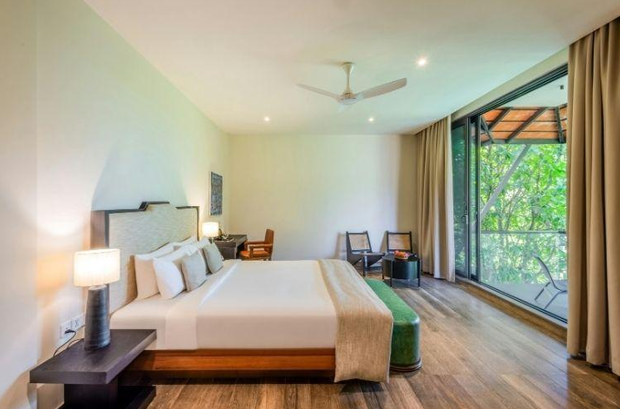
Think back to your favorite vacation. Chances are, what stands out isn’t just the destination. It’s the feeling. Maybe it was waking up to sunlight filtering through linen curtains, lingering over breakfast without checking the time, or unwinding in a space that instantly made you feel calmer.
Travel has a unique way of resetting our minds, but the principles behind that feeling don’t have to disappear when the trip ends. More homeowners are taking inspiration from memorable travel experiences to create living spaces that encourage relaxation, comfort, and everyday well-being. Instead of reserving that holiday mindset for a few weeks each year, they’re bringing elements of it into daily life.
Table of Contents
Good Design Creates a Feeling, Not Just a Look
Luxury hotels and thoughtfully designed vacation rentals don’t just rely on expensive furniture or striking architecture. They carefully shape how a space feels.
Comfortable seating encourages people to slow down. Soft lighting creates a sense of warmth. Natural materials like wood, linen, and stone add texture without overwhelming the room. Every choice serves a purpose.
The same thinking works at home. Investing in timeless pieces, such as quality designer couches, creates inviting spaces where people naturally gather, read, rest, or enjoy conversations. Rather than chasing short-lived decorating trends, focusing on comfort and longevity often delivers the greatest impact.
The goal isn’t to recreate a five-star resort. It’s to create a home that welcomes you in the same way your favorite destination does.
Borrow the Best Ideas From Hospitality Design
Hotels spend enormous amounts of time understanding how people interact with their surroundings. Many of their design choices are surprisingly simple to recreate.
Create spaces with a purpose
One reason vacation accommodation feels relaxing is that every area has a clear function. A balcony invites morning coffee. A reading nook encourages quiet time. A dining table becomes somewhere to share meals rather than simply a place to eat quickly.
At home, defining spaces for specific activities helps create gentle boundaries between work, rest, and leisure, especially for people who work remotely.
Prioritize comfort over decoration
Beautiful interiors mean little if they’re uncomfortable to use.
Hotels understand that quality mattresses, supportive seating, and practical layouts often leave a stronger impression than decorative accessories. At home, choosing fewer, better-made pieces usually creates a calmer environment than filling every corner.
Reduce visual clutter
Many holiday rentals feel spacious because they aren’t overcrowded.
Keeping surfaces relatively clear, using concealed storage, and displaying only meaningful items helps reduce visual noise. This doesn’t mean adopting a minimalist lifestyle. Instead, it means making room for the things you genuinely enjoy.
Nature Is One of the Best Souvenirs You Can Bring Home
Many memorable destinations have one thing in common: a strong connection with nature.
Whether it’s a coastal retreat, a mountain cabin, or a countryside escape, natural surroundings help people slow down. Attention Restoration Theory suggests that natural environments can help restore directed attention after sustained concentration, and recent systematic reviews continue to find short-term mental-health benefits from restorative natural environments. The theory also explains why exposure to greenery can reduce feelings of mental fatigue.
Fortunately, you don’t need panoramic ocean views to enjoy some of these benefits.
Simple additions can make a noticeable difference:
- Open windows whenever possible.
- Add indoor plants.
- Maximize natural daylight.
- Choose natural fibres and materials.
- Use colours inspired by landscapes you enjoy visiting.
Biophilic design, which incorporates natural elements into built environments, has become increasingly popular because studies associate these features with improved well-being and stress recovery.
Slow Down the Pace at Home
Vacations naturally encourage slower routines. People linger over meals, read books they never seem to finish at home, and spend more time talking without distractions. Much of this happens because the environment supports those behaviours.
Creating similar opportunities at home doesn’t require dramatic changes. Instead of placing every chair around the television, consider arranging seating to encourage conversation. Create a comfortable corner for reading. Set the dining table properly even during the week. Leave your phone in another room while enjoying your morning coffee.
These small habits gradually shift a house from being purely functional to genuinely restorative.
Appeal to All the Senses
Travel memories are surprisingly sensory. You remember the scent of fresh sea air, the sound of birds in the morning, cool stone floors beneath your feet, or crisp cotton bedding after a long day of exploring.
Those sensory experiences can become part of your home, too. Choose soft textiles that feel comfortable year-round. Introduce subtle natural fragrances through fresh flowers or essential oils. Use layered lighting rather than relying solely on overhead fixtures. Even reducing background noise can make a room feel noticeably more peaceful.
Environmental psychology suggests that our surroundings continuously influence mood, behaviour, and cognitive performance, often without us consciously noticing.
Your Home Should Reflect Your Travels
One of the pleasures of travel is discovering objects with stories. Instead of filling shelves with generic decorations, display meaningful pieces collected over time. Handmade ceramics from Italy, woven baskets from Morocco, artwork from a local market, or photographs from memorable trips all create a home that feels personal rather than staged.
These objects become reminders of positive experiences while adding character that cannot be bought in a single shopping trip.
The most memorable interiors rarely follow one design style perfectly. Instead, they reflect the people who live there.
Rest Is a Design Feature
Modern life often celebrates productivity, but vacations remind us that rest has value too.
Spaces that promote psychological recovery allow people to step away from constant demands temporarily while supporting mental and emotional renewal.
That doesn’t require a spa room or home retreat. Sometimes it simply means creating one place where you genuinely enjoy sitting without feeling the need to multitask.
When comfort becomes part of your home’s design philosophy, relaxation becomes easier to prioritise.
Conclusion
The best vacations leave us feeling refreshed, connected, and present. While we can’t travel every weekend, we can borrow the principles that make those experiences so memorable.
A comfortable chair positioned beside a sunny window. Natural materials that age beautifully. Spaces designed for conversation instead of constant distraction. Personal mementos that remind us of adventures well lived.
Creating a home that feels like your favorite vacation isn’t about copying a destination. It’s about recreating the atmosphere that made you feel your best. When your surroundings encourage you to slow down, recharge, and enjoy everyday moments, coming home becomes something to look forward to every single day.