
Making informed decisions about reproductive health is crucial for anyone considering their options. This comprehensive guide covers everything you need to know about the abortion pill, including its usage, safety, legal context, and where to find it. For those searching locally, understanding the specific landscape for the abortion pill in Boca Raton, Florida is especially important as state regulations may influence access and availability.
The accessibility of medical abortion methods continues to evolve. As access varies widely, it is essential to learn about the procedure, the medications involved, potential costs, and the laws that may affect your decisions. With the right information, individuals are empowered to make choices in line with their health and values.
Table of Contents
What Is the Abortion Pill?
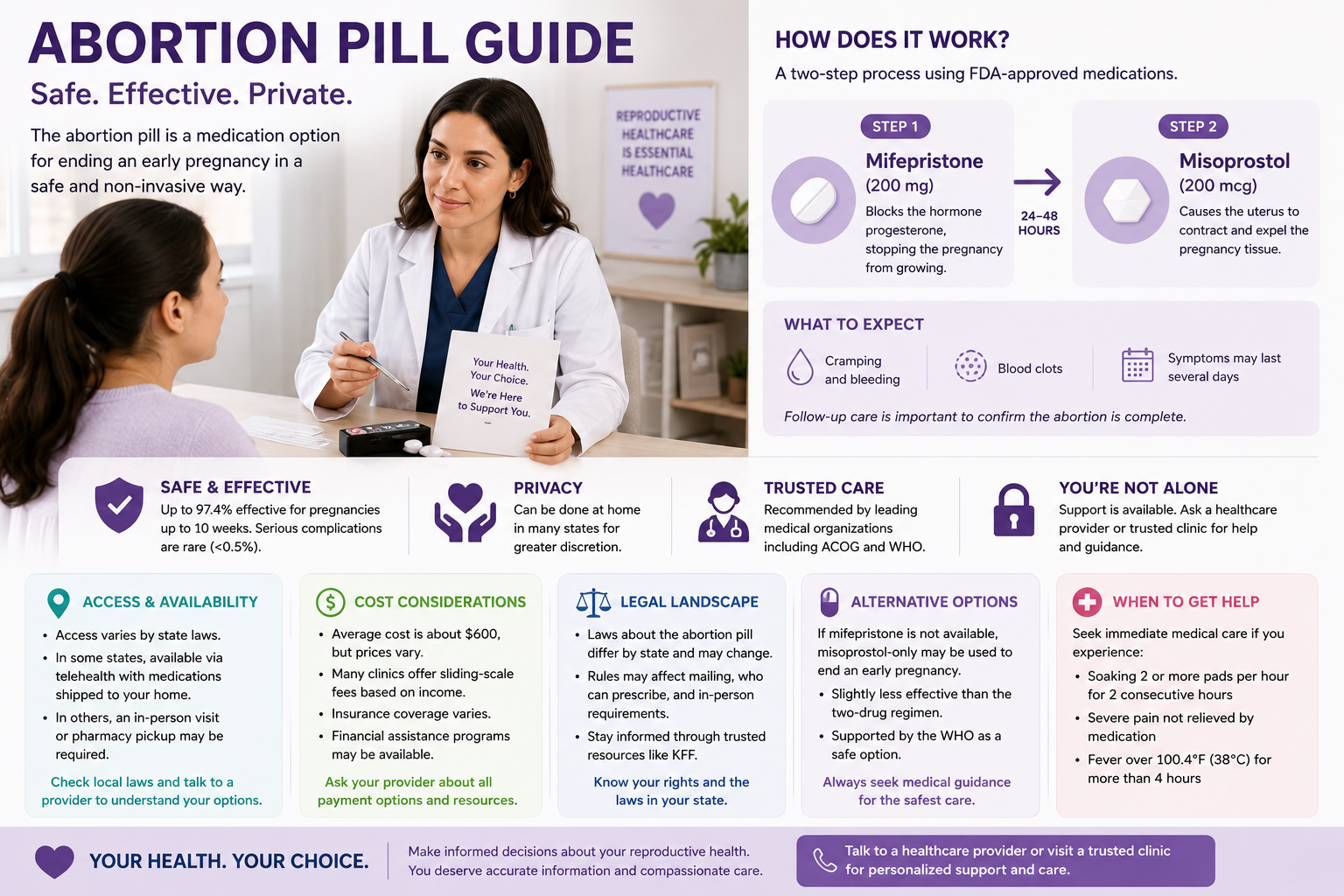
The abortion pill is a medical treatment designed to end an early pregnancy in a safe and non-invasive manner. The regimen relies on two medications. First, mifepristone blocks the hormone progesterone, which is essential for maintaining pregnancy. Without this hormone, the pregnancy cannot continue. The second pill, misoprostol, is taken at least 24 hours later. It causes the uterus to contract and expel the pregnancy tissue through the vagina. This approach offers privacy and can sometimes be completed at home, making it a preferred choice for many people.
According to Planned Parenthood, medical abortion has become the most common method for ending pregnancy in the United States. Its non-surgical nature and the option for telehealth access have increased its popularity and utility, especially in areas where abortion clinics are scarce or heavily regulated.
How Does It Work?
The abortion pill process is straightforward but requires careful adherence to the prescribed steps. The patient takes mifepristone first, which immediately starts to halt the development of the pregnancy. After 24 to 48 hours, misoprostol is taken. This second medication leads to cramping and bleeding, which are signs that the body is expelling the uterine contents. The process may resemble a heavy menstrual period for many and can last for several days.
It is normal to experience symptoms such as strong cramping, heavy bleeding, and the passage of blood clots. Follow-up care is essential to confirm that the procedure was complete and to address any complications, which are rare but possible.
Safety and Effectiveness
The medical abortion regimen has a long-standing record of safety and high effectiveness. The American College of Obstetricians and Gynecologists confirms that serious complications occur in fewer than 0.5 percent of cases. The abortion pill is around 97.4 percent effective for pregnancies up to 10 weeks. Side effects, such as nausea, diarrhea, or fever, can occur but are generally mild and manageable.
Women should know that, according to Planned Parenthood, emergency care is rarely needed, but symptoms like persistent heavy bleeding, severe pain, or high fever should be addressed by a medical professional immediately.
Access and Availability
Access to the abortion pill depends on state and local regulations. In some states, medical abortions can be obtained through telehealth appointments with the medications shipped to a patient’s home. In other locations, state law requires patients to have an in-person consultation or pick up the medications at a clinic. Certain states also restrict mailing abortion medications, making in-person visits mandatory. Consulting local resources, healthcare providers, or reputable telehealth services is the best way to determine local guidelines and ensure legal compliance.
Cost Considerations
The price of the abortion pill can vary significantly depending on location, provider, and existing insurance coverage. On average, the out-of-pocket cost is about $600; however, clinics may offer lower rates or accept sliding-scale payments based on income. Insurance coverage also varies by state and by individual plan. Some non-profits and assistance programs can reduce costs for qualifying patients. It is important to ask providers about all possible financial resources when considering this option.
Legal Landscape
The legal framework for obtaining the abortion pill is dynamic and changes frequently. Recent court decisions and state legislatures have influenced how and where the medication can be provided. Ongoing legal debates have led to increased scrutiny, particularly regarding whether the medications can be mailed, who is eligible to prescribe them, and the required waiting periods or in-person visits. Staying up to date through national resources such as the Kaiser Family Foundation (KFF) will help you stay aware of the latest changes and requirements in your region.
Alternative Options
If mifepristone is not available because of legal or supply constraints, a misoprostol-only regimen may be used as an alternative to terminate early pregnancies. While slightly less effective, research and the World Health Organization support this method as a safe and accessible solution when the standard regimen is not an option. Patients should still seek medical guidance and support, whether using the two-drug regimen or misoprostol alone.
Conclusion
Understanding how the abortion pill works, its safety profile, costs, and the legal environment ensures that anyone seeking this method of care can make informed decisions. The evolving legal landscape makes up-to-date information and support from healthcare professionals essential. Additionally, seeking services from reputable sources ensures access to safe and evidence-based care for all individuals considering the abortion pill.