

If you’re curious about achieving smoother, brighter skin, you may have heard about dermaplaning Herndon VA. But what exactly is it, and how does it work? In this guide, we’ll break down everything you need to know, from the process itself to the benefits and what you can expect during a session.
Table of Contents
What Is Dermaplaning?
Dermaplaning Leesburg VA is a non-invasive exfoliation technique that gently scrapes away dead skin cells and thin facial hair using a surgical scalpel. Unlike shaving at home, dermaplaning is performed by trained professionals to ensure safety and precision.
This treatment is sometimes referred to as “epidermal leveling” because it removes the outermost layer of dead skin, showing a smoother, more radiant complexion underneath. While it sounds intense, the procedure is painless for most people and has minimal downtime.
How Does Dermaplaning Work?
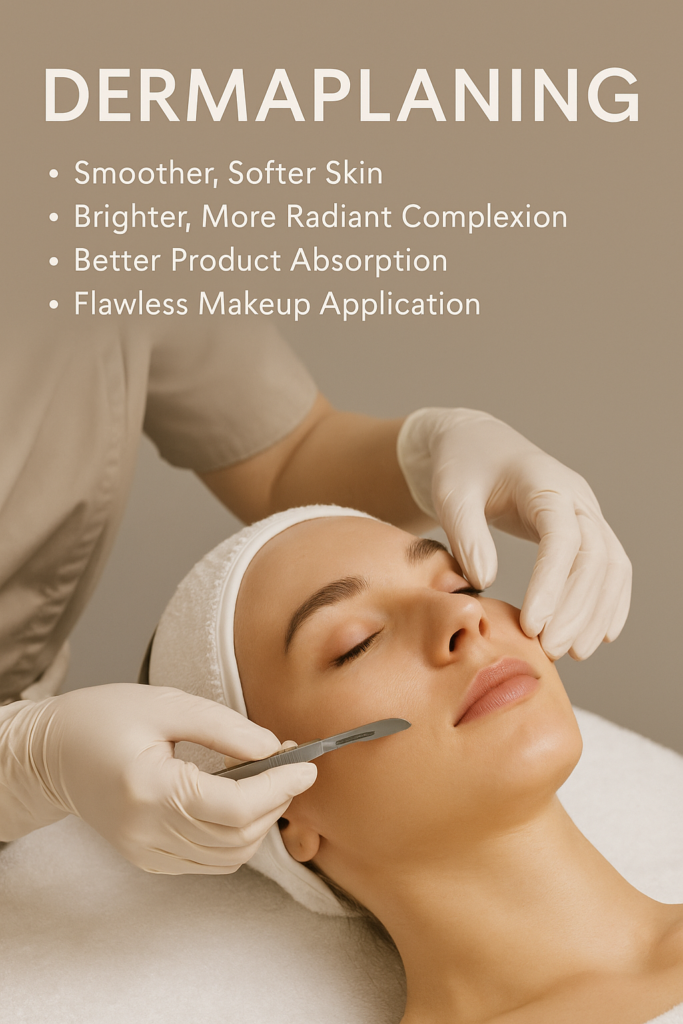
During a dermaplaning session, a licensed esthetician or dermatologist uses a small, sterile blade at a 45-degree angle to gently glide over your skin. The motion removes two things:
- Dead skin cells – This exfoliation helps prevent clogged pores, dullness, and uneven texture.
- Vellus hair – Also known as “peach fuzz,” this fine hair can trap dirt and oils, which can contribute to breakouts and a less smooth appearance.
The treatment lasts 30 to 60 minutes, depending on your skin type and the area being treated. Unlike chemical peels or microdermabrasion, dermaplaning does not use any harsh chemicals or abrasive particles. This makes it a great option for people with sensitive skin who still want effective exfoliation.
Benefits of Dermaplaning
Dermaplaning offers several skin benefits, making it a popular choice in skincare. Here’s what you can expect:
1. Smoother, Softer Skin
By getting rid of dead skin cells and peach fuzz, dermaplaning creates a silky-smooth surface. Your skin will feel noticeably softer to the touch immediately after the treatment.
2. Brighter, More Radiant Complexion
Dead skin cells can make you look dull and tired. By exfoliating the outer layer, dermaplaning reveals fresh, healthy skin, giving you a natural glow.
3. Better Product Absorption
Without the dead skin cells, your serums, moisturizers, and other treatments can penetrate more effectively, making your skincare routine more efficient.
4. Makeup Applies More Smoothly
If you struggle with uneven application or a cakey look, dermaplaning can help. Foundation and other makeup glide on effortlessly over a smooth, fuzz-free canvas.
5. Gentle and Safe for Most Skin Types
Unlike more aggressive treatments, dermaplaning is generally safe for people with sensitive skin, mild acne scars, or rosacea. However, it may not be suitable for those with active acne, eczema, or open wounds, so a consultation is essential before treatment.
What to Expect During a Dermaplaning Session
If you’re new to dermaplaning, here’s what a typical session looks like:
- Consultation: Your esthetician will review your skin concerns and medical history, and determine whether dermaplaning is right for you.
- Cleansing: Your skin will be cleansed to get rid og makeup, oils, and impurities.
- The Procedure: Using a sterile scalpel, the professional will gently scrape away dead skin cells and peach fuzz. This usually takes about 20–30 minutes for a full face treatment.
- Moisturizing and Protection: After dermaplaning, a soothing moisturizer and sunscreen are applied to protect your newly exposed skin.
Most people experience no discomfort, though you may feel a slight scraping sensation. There is generally no downtime, and you can return to normal activities immediately. However, it’s important to use sunscreen daily after the procedure, as your skin will be more sensitive to UV rays.
How Often Should You Dermaplane?
For most skin types, dermaplaning can be done every 3–4 weeks. This schedule allows your skin to naturally renew while maintaining a smooth, radiant texture. Overdoing it can cause irritation, so it’s important to follow your esthetician’s recommendations.
Dermaplaning vs. Other Exfoliation Methods
It’s helpful to compare dermaplaning to other popular exfoliation treatments:
- Chemical Peels: Use acids to remove skin layers; may cause redness and downtime.
- Microdermabrasion: Uses tiny crystals or a diamond tip to exfoliate; can be slightly abrasive for sensitive skin.
- At-home Scrubs: Less precise and can be too harsh, potentially causing micro-tears in the skin.
Dermaplaning stands out because it’s gentle, immediate, and safe for most people, while still delivering noticeable results.
Who Should Consider Dermaplaning?
Dermaplaning is ideal for anyone looking to:
- Smooth rough skin texture
- Remove fine facial hair
- Brighten a dull complexion
- Improve makeup application
- Enhance absorption of skincare products
It’s not recommended for people with active acne cysts, severe rosacea, or other open skin conditions. A professional consultation ensures the treatment is safe and effective for your skin type.
Final Thoughts
Dermaplaning is a safe, effective, and beginner-friendly way to achieve smoother, brighter skin. With its combination of exfoliation and peach-fuzz removal, it delivers immediate results that leave your face soft, radiant, and ready for flawless makeup application. Whether you’re preparing for a special event or just want to improve your skincare routine, dermaplaning is a treatment worth considering.
If you’re ready to try dermaplaning, schedule a consultation with a licensed esthetician who can guide you through the process and tailor the treatment to your skin’s needs. With proper care, the benefits of dermaplaning can be long-lasting and transformative, giving your skin the glow you’ve always wanted.