
Pursuing a negligence lawsuit is a complex and multifaceted process that requires a systematic approach to collecting and presenting evidence. The outcome of such cases often hinges on how thoroughly claimants can demonstrate that the other party failed to exercise reasonable care, directly causing injury or loss. The chances of a successful outcome increase significantly when you understand what is necessary to establish liability in court. Whether you have experienced a slip-and-fall at a local business, been involved in a motor vehicle accident, or suffered any injury due to someone else’s carelessness, working with a qualified Vinings negligence attorney is often crucial to navigating the legal process effectively and ensuring your case is supported by the right evidence. Attorneys have experience in dealing with insurers, opposing legal teams, and the court system, which can be vital for success in your claim.
Every negligence claim must meet specific legal criteria, and your success will often hinge on the thoroughness of your records, observations, and the various reports you collect. Gathering this information early and efficiently can make a meaningful difference. Time is often of the essence because many types of essential proof, such as photographs or physical evidence at an accident scene, can be lost or compromised the longer you wait. Ensuring you know what to collect and how to protect it from loss will help you build a robust and convincing case that stands up in court.
Table of Contents
Understanding the Elements of Negligence
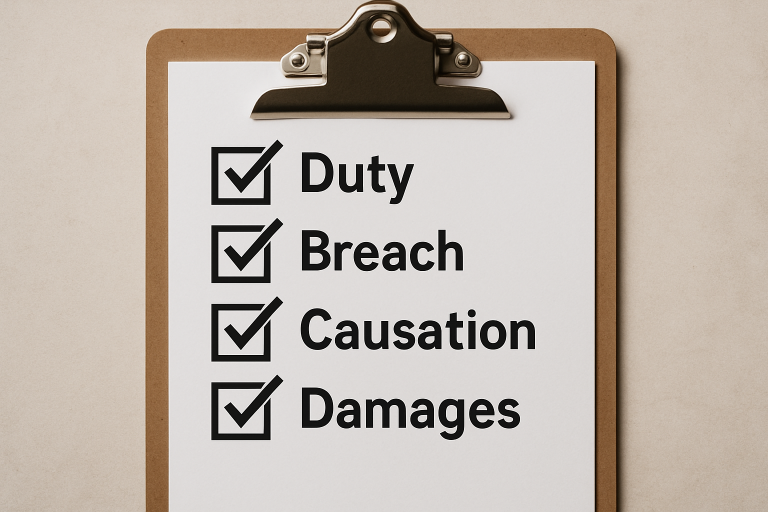
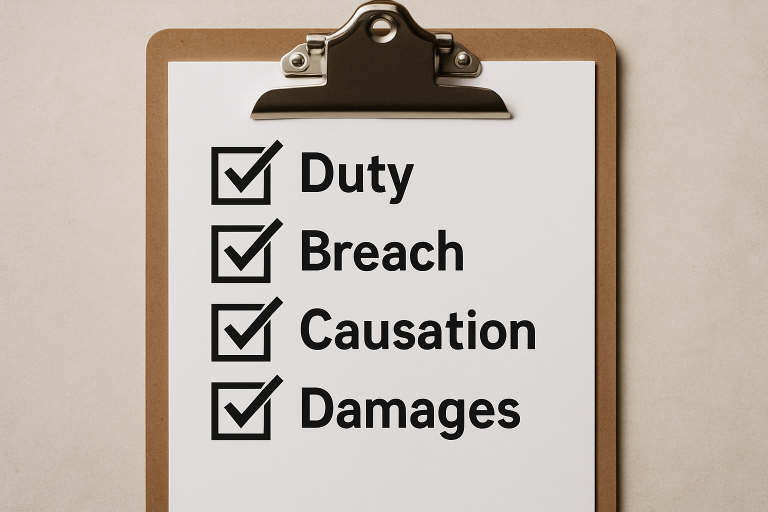
Any successful negligence lawsuit depends on your ability to clearly prove four legal elements. Each one requires carefully collected documentation and credible testimony. Legal professionals consider these elements the backbone of every negligence claim, and proving each one can be the difference between winning compensation or having your claim dismissed:
- Duty of Care: The defendant owed you a duty of care, like drivers who adhere to traffic laws or property owners who keep the premises safe.
- Breach of Duty: It must be demonstrated that the defendant did not fulfill this obligation due to careless behavior, violations of safety rules, or disregard for known warnings or protocols.
- Causation: A direct link must exist between the breach and your harm, backed by expert testimony establishing how the defendant’s actions caused your injuries.
- Damages: You must have experienced actual, measurable harm such as injuries, medical expenses, property damage, lost wages, or emotional distress, with appropriate documentation.
Each of these elements forms a building block of your argument in court. Comprehensive evidence under each can significantly boost your claim’s credibility and make it much harder for the opposing party to dispute your version of events. Failing to prove even one element can result in your claim being dismissed, which is why attention to detail and methodical preparation are so important.
Gathering Crucial Evidence
The core of a negligence lawsuit lies in comprehensive evidence. The goal is to eliminate doubt about what happened and who is responsible by providing a trail of documentation and supporting information. Common categories of proof include:
- Medical Records: These documents serve as proof of injuries, treatments, and prognosis. Keep all doctors’ notes, discharge summaries, receipts, and correspondence.
- Witness Statements: Witnesses can reinforce your account and fill in gaps, offering external validation. Conducting quick interviews and gathering written statements helps preserve memories and strengthen your case.
- Photographic Evidence: Photos and videos of the scene, injuries, or damage serve as undeniable evidence, particularly when timestamped digital images are used.
- Official Reports: Police, incident, or workplace reports offer objective accounts, support your version of events, or identify inconsistencies.
When your claim is documented with a rich foundation of records and accounts, it eliminates many grounds for doubt and establishes a persuasive case. Accident scene evidence and immediate documentation often make or break a negligence action. The more contemporaneous the documentation, the more compelling it is in legal proceedings.
Preserving Evidence Promptly
Evidence can rapidly deteriorate or be tampered with if not protected, including memories fading, footage being overwritten, or evidence being cleaned or repaired. Acting quickly is essential to fulfill legal obligations and preserve the evidence. Sending a spoliation letter formally requests preservation, highlights its significance, and requires the other party to avoid destruction under penalty of perjury. Proper preservation impacts whether evidence is available and admissible in court. Careless handling or delays can damage credibility and weaken your case, risking the loss of vital support regardless of the facts.
Consulting Legal Professionals
Most individuals lack the experience, resources, or legal expertise to effectively gather and safeguard evidence. Consulting a qualified attorney early on can help avoid errors that might impede recovery. A knowledgeable lawyer can spot overlooked evidence, start the collection process, and request records or preservation measures. Their guidance is crucial in complicated legal procedures and negotiations with insurers or opponents. Experienced legal support can also foresee potential issues, counter the defense, and prepare you for hearings or trial if your case advances.
Conclusion
Achieving a successful negligence lawsuit is rooted in your ability to clearly establish each of the four key legal elements and support them with robust, well-preserved evidence. Begin by understanding your case’s strengths and weaknesses, act quickly to gather and protect essential documents and testimony, and always consider seeking help from legal professionals. By taking a systematic approach and leveraging expert resources, you maximize your chances of pursuing justice and securing fair compensation for your injuries and losses. Ultimately, diligence, organization, and professional support are your best tools in building a persuasive negligence claim.