


A comfortable home is about more than cooling in summer and heating in winter. True climate management balances temperature, humidity, airflow, and air quality so each room feels right with minimal energy waste.
Table of Contents
What Whole-Home Climate Really Means
Think of your house as a system. Insulation, windows, ducts, and equipment all interact, and small changes in one part ripple through the rest. Start by setting clear comfort goals for different zones so you can match technology to real needs.
Equipment is only half the story, controls and design do the rest. The second piece is choosing partners who can see the whole picture, and the team behind Lorenz Plumbing Heating & Air says that whole-home comfort comes from right-sized equipment, sealed ducts, and smart scheduling that work together. With that mindset, you prevent hot and cold spots, lower bills, and reduce noise at the same time.
Heat Pumps, Furnaces, And Hybrid Setups
Modern heat pumps offer efficient cooling and dependable heat, even in many cold climates. Paired with a furnace in a dual-fuel setup, they can switch sources automatically based on outdoor temperature and energy cost. That means comfort stays steady, and the system picks the cheapest path.
Right-sizing matters more than brand logos. Oversized units short-cycle, creating humidity swings and higher wear. Undersized units run forever and still miss the target. Ask for a load calculation so capacity matches your home instead of rough guesses.
Hybrid systems combine the strengths of heat pumps and furnaces for year-round efficiency. By automatically choosing the most cost-effective source, they keep indoor temperatures steady without extra manual intervention.
Proper sizing is important: too large causes short cycles and uneven humidity, and too small struggles to reach comfort goals.
Smart Thermostats And Smoother Control
Smart thermostats learn your routines, pre-cool before peak heat, and pause when you are away. Features like geofencing and weather-aware scheduling trim run time without you thinking about it. The trick is to keep schedules simple, so the system does not fight your habits.
Add room sensors where comfort matters most. A single hallway thermostat cannot sense the nursery or the home office behind a closed door. With a few sensors, your system can prioritize rooms where people are actually sitting, not just the place where the thermostat hangs.
Airflow And Ductwork You Can Trust
Air that never reaches its room is money lost. Leaky or undersized ducts create noise, dust, and uneven temperatures. Sealing, balancing, and insulating ducts often delivers faster comfort gains than swapping equipment.
Grilles and vents count too. Keep returns clear, open supplies fully, and avoid closing vents to “force” air elsewhere – that adds static pressure and strains the blower. If some rooms still lag, consider a small booster fan or a duct redesign rather than a bigger unit.
Humidity And Indoor Air Quality
Humidity drives comfort as much as temperature. In summer, aim for 40 to 50 percent to avoid sticky air and musty smells. In winter, limit indoor water to prevent condensation on windows. Dehumidifiers and variable-speed systems help keep the range stable.
Filtration keeps air fresher and equipment cleaner. MERV 11 to 13 filters capture fine particles without choking airflow in many systems. For sensitive spaces, pair filtration with source control – kitchen exhaust, bath fans, and sealed combustion appliances reduce pollutants before they circulate.
- Run the bath and kitchen fans long enough to clear water and odors
- Change filters on a schedule, not just when they look dirty
- Use ceiling fans to feel cooler at higher thermostat settings
- Add a door sweep or weatherstrip to stop drafts at their source
Zoning And Room-Level Control
Zoning divides your home into areas with separate dampers and controls. It is useful for multi-story homes or layouts with big temperature differences. When designed well, zoning reduces the tug-of-war between floors and cuts run time during off-hours.
In smaller homes, smart vents or room-by-room mini splits can handle problem spaces without reworking main ducts. The key is not to overcomplicate, aim for the fewest zones that solve real comfort gaps, then keep the rules easy to understand.
Monitoring, Maintenance, And The Long Game
Energy monitors show which appliances spike usage and when. Tie that insight to simple rules – pre-cool before the afternoon peak, delay laundry until evening, and keep doors closed in conditioned rooms – to lower bills without sacrificing comfort.
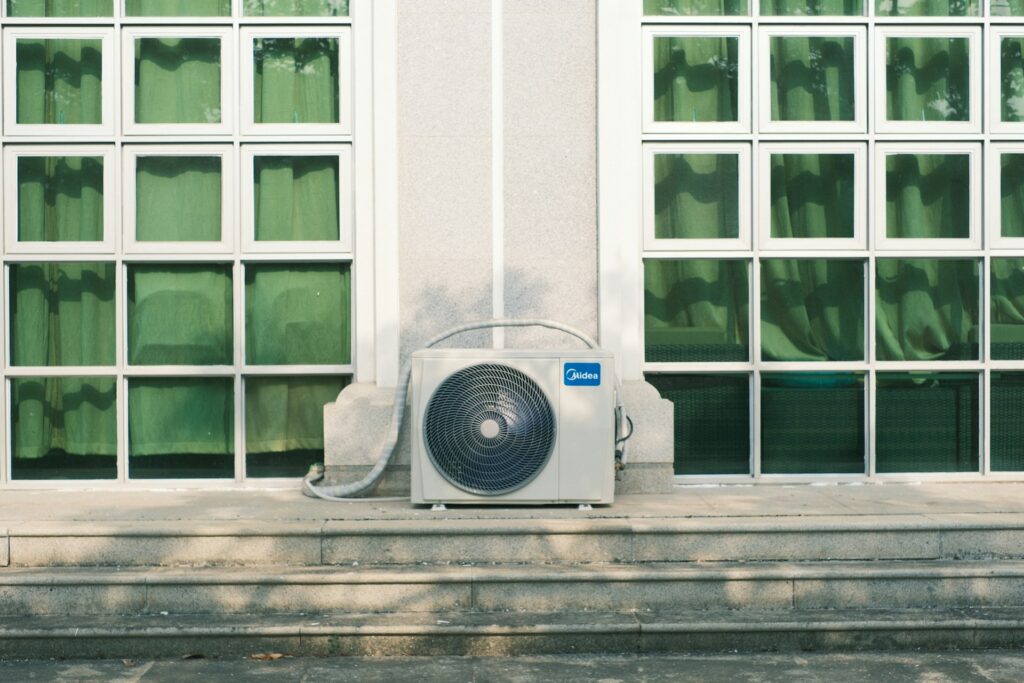
Maintenance is where performance is protected. Clean outdoor coils, clear debris, and check refrigerant charge annually. Review thermostat schedules at season changes so setbacks match your routine. A 15-minute check can save hours of frustration later.
A modern home climate plan blends efficient equipment, sealed airflow paths, and smart control. Start with system thinking, keep settings simple, and measure results. With those habits, comfort feels effortless, and your utility costs stay predictable year-round.