
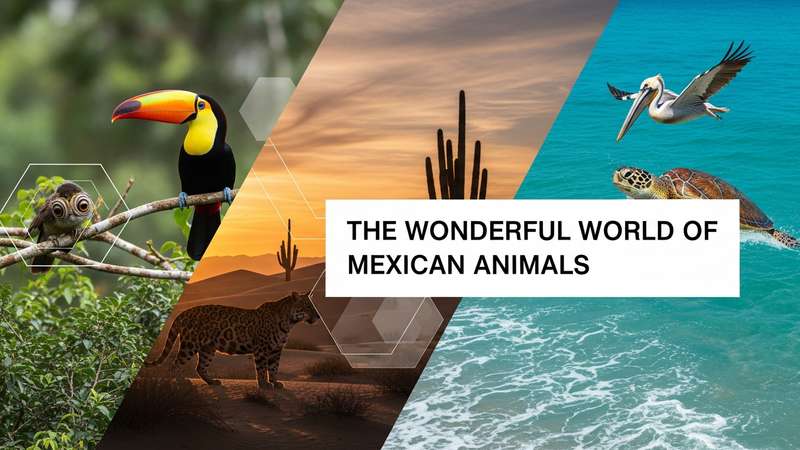
Across golden deserts, lush rainforests, and turquoise coastlines, Mexico reveals a hidden rhythm pulsing through every creature that calls it home. From the quiet power of the jaguar to the magical glow of the axolotl, each species tells a story deeply tied to the nation’s heritage and folklore. For travelers and wildlife lovers, there’s more to see than rare species, there are living legends where conservation meets culture. Let’s journey through this natural artistry and uncover the heart of Mexico through its extraordinary animals.
Table of Contents
- 1 Mexico’s Most Iconic Wildlife
- 2 Animals Woven into Mexican Culture and Folklore
- 3 Rare and Endemic Species Found Only in Mexico
- 4 Conservation Comebacks: Stories of Hope
- 5 Major Threats to Wildlife in Mexico
- 6 How to Responsibly See Animals in Mexico
- 7 Wild Reflections on Mexico’s Nature
- 8 FAQs about Mexican animals
Mexico’s Most Iconic Wildlife
Mexico’s natural world is full of energy and color, reflecting the country’s vast range of climates and ecosystems. From thick rainforests and misty peaks to sweeping deserts, every landscape shelters unique species that have shaped both the land and the people who live there. Among them, some stand out as timeless emblems of Mexico’s wild spirit.
These celebrated animals inspire conservation projects and ecotourism alike, representing the balance between resilience in nature and a deep spiritual bond with the land.
The Jaguar: King of the Jungle
The jaguar, Mexico’s largest feline, still rules the jungles of the Yucatán Peninsula and the wetlands of Chiapas and Campeche. With its golden coat covered in striking dark rosettes, this apex predator keeps ecosystems steady by managing prey populations. Once close to disappearing, the jaguar is now making a strong comeback thanks to years of focused conservation work.
According to the 2024 national census, the country’s jaguar population has grown by almost 30 percent in the past ten years, now totaling more than 5,300 across 15 states. Biologist Gerardo Ceballos notes, “Before, the jaguar was virtually unknown. Now it’s one of the most recognized animals in Mexico.” That success comes from combining science with local community programs that reduce human-wildlife conflict, creating a sustainable model of coexistence that’s inspiring the rest of Latin America.
The Spider Monkey
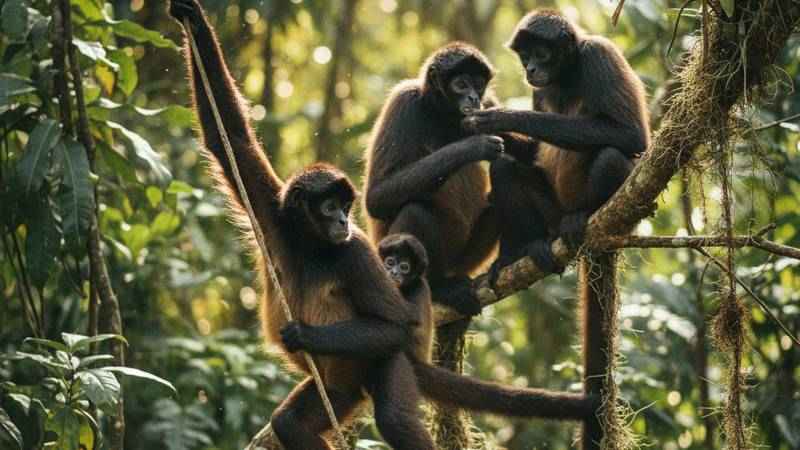
Swinging gracefully through tropical canopies, the spider monkey embodies both energy and family bonds. Found mainly in Chiapas, Campeche, and Quintana Roo, these social primates communicate through expressive sounds and physical gestures. With their long limbs and prehensile tails acting like a fifth arm, they move through the trees like born acrobats.
Behind their playful movements lies a crucial role: spider monkeys are expert seed dispersers, helping forests regenerate and thrive. Sadly, continued deforestation shrinks their habitat, so every sighting feels like a reminder of what could be lost. Their story naturally connects to the broader relationship between animals, culture, and spirit in Mexico’s history.
Animals Woven into Mexican Culture and Folklore
Animals hold a revered place in Mexico’s mythology, art, and folklore. From ancient Aztec gods to the lively, alebrijes, fantastical wooden creatures painted in bright colors, each animal stands for more than survival. They carry ancestral lessons and express the deep harmony between people and the natural world.
The Golden Eagle: A National Symbol
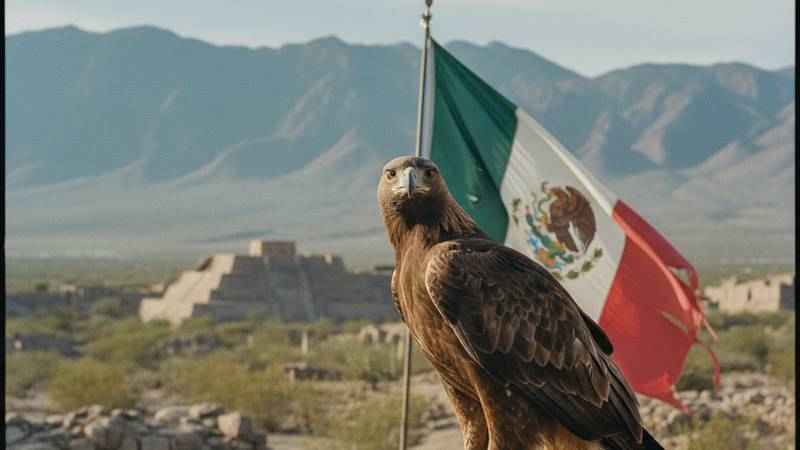
The golden eagle is more than a majestic bird of prey, it’s the heart of Mexico’s identity. It appears proudly on the national flag, echoing the Aztec legend of Tenochtitlan’s founding, when an eagle perched on a cactus with a serpent in its beak showed the people where to build their city.
Strong and regal, the golden eagle represents courage, independence, and freedom. Today it soars above the highlands and rocky plateaus of northern and central Mexico. Protecting its habitat doesn’t just preserve a predator, it preserves a living symbol deeply embedded in the nation’s history.
The Axolotl: The Mythical Water Dog
Few creatures spark curiosity quite like the axolotl. Native to the ancient canals of Xochimilco near Mexico City, this aquatic salamander amazes scientists with its power to regenerate limbs and even parts of vital organs. In Aztec mythology, the axolotl embodies Xolotl, the god who turned into this animal to avoid sacrifice, symbolizing change, adaptability, and new beginnings.
Pollution and habitat destruction have left the species critically endangered, so its fate largely depends on urban conservation. Still, its influence endures through art, science, and pop culture. From murals to folk carvings to modern design, the axolotl remains both a cultural gem and a scientific marvel. That same blend of myth and biology defines other rare creatures found only in Mexico.
Rare and Endemic Species Found Only in Mexico
Mexico ranks among the planet’s top biodiversity hotspots, sheltering hundreds of animals found nowhere else on Earth. These unique species flourish in environments ranging from dry desert plateaus and volcanic lakes to tropical mangroves and cool alpine forests. Their presence proves just how vital Mexico is to the health of the global ecosystem.
The Vaquita: The World’s Rarest Marine Mammal
The vaquita, a tiny porpoise that lives only in the northern Gulf of California, is the rarest marine mammal on Earth. Experts believe fewer than ten remain. These shy cetaceans have nearly vanished due to illegal gillnets used to catch the totoaba, a fish prized for its valuable swim bladder.
Despite international aid and stricter rules, accidental entanglement continues. Conservation groups such as the World Wildlife Fund point out that saving the vaquita’s environment also protects countless other marine species. Its story stands as a serious warning of how fragile coastal ecosystems can be.
The Coati: The Social Forest Dweller
Playful, curious, and easy to recognize with its pointed snout and striped tail, the coati is a favorite resident of Mexico’s southern forests. These raccoon relatives live in tight-knit female-led groups and communicate through a mix of chirps, squeals, and gestures.
While foraging for insects or fruit, coatis help aerate soil and spread seeds, key for healthy forests. Tourists often spot them in Oaxaca and Chiapas, where their bold, friendly nature wins hearts quickly. They represent the peaceful harmony between humans and wildlife and serve as icons for broader conservation programs aimed at saving jaguars and Mexican wolves.
wildlife recovery programs demonstrate how cooperation across borders continues to improve survival chances for species like the vaquita, jaguar, and wolf, solidifying Mexico’s leadership in biodiversity protection.
Conservation Comebacks: Stories of Hope
Despite the many challenges, Mexico’s dedication to conservation has brought remarkable turnarounds. These successes, built on partnerships among scientists, NGOs, and local communities, show that with commitment and creativity, even species once thought lost can return.
The Return of the Mexican Wolf
Once extinct in the wild, the Mexican wolf, or lobo Mexicano, is reclaiming its home ranges in northern Mexico and the southwestern United States. By 2024, about 286 individuals were roaming free, an 11 percent jump from the year before and the ninth year of steady growth.
This comeback is largely due to innovative genetic fostering that places captive-born pups into wild dens, boosting diversity. As Stewart Liley from the New Mexico Department of Game and Fish explains, “Genetic management using pups from captivity is showing results.” It proves what persistence, science, and teamwork can do when united behind a common goal.
The Jaguar’s Resurgence
The jaguar’s recovery mirrors the wolf’s but on a broader scale. Once hunted and displaced by deforestation, jaguars have begun returning to protected regions throughout southern Mexico. Over 920 motion-activated cameras now monitor more than 400,000 hectares, tracking their numbers while education programs teach farmers how to protect livestock safely.
According to Ceballos, the renewed protection has revived not just the species but its cultural importance as well. The jaguar’s return protects ecosystems and rekindles national pride, reminding everyone that safeguarding biodiversity also honors Mexican identity.
Major Threats to Wildlife in Mexico
Even with these encouraging stories, Mexico’s wild landscapes still face serious pressures. Expanding farms, habitat loss, and wildlife trafficking are eroding the environments that support both communities and ecosystems. Finding balance through sustainable development remains a crucial goal.
Habitat Loss and Fragmentation
Deforestation led by logging, agriculture, and expanding cities poses the biggest ecological challenge. Every year, vast sections of forest disappear, breaking habitats apart and leaving animals like jaguars, monkeys, and migratory birds struggling to survive without the large ranges they need. Even designated reserves face encroachment and damage.
Community reforestation and eco-tourism projects are beginning to turn things around, restoring degraded land into productive, biodiversity-rich spaces that also create local jobs.
The Illegal Wildlife Trade
Exotic parrots, sea turtles, and reptiles continue to be trapped for the black market. In January 2026, Mexico’s environmental agency PROFEPA teamed up with Humane World for Animals to fight this illegal trade through better data collection, stronger law enforcement, and tighter cooperation across agencies.
These combined efforts focus on prevention and accountability, both crucial for keeping rare wildlife in the wild rather than in cages. Alongside enforcement, public education campaigns urge people to reject illegal animal products, helping cut demand at its source.
How to Responsibly See Animals in Mexico
Travelers hoping to experience Mexico’s wildlife firsthand can support conservation through responsible tourism. Ethical travel ensures encounters that respect animals, educate visitors, and benefit local communities.
Choosing Ethical Tours and Sanctuaries
When planning wildlife excursions, choose certified eco-guides who follow sustainable principles. Responsible operators keep groups small, encourage quiet observation, and avoid any activities that disturb natural behavior. Steer clear of places offering direct interactions or performances involving animals.
Mexico’s 2026 ban on dolphin shows reflects this growing awareness. Around 350 captive dolphins are now being moved to protected coastal sanctuaries, such as those in the Bay of Campeche, where visitors can learn about them in humane, natural settings.
Top Destinations for Wildlife Spotting
Mexico offers endless chances for responsible wildlife viewing. In Baja California Sur, watch gray and humpback whales breach beside the shore. In the mountains of Oaxaca, birdwatchers spot stunning endemic species, while in Quintana Roo, the Sian Ka’an Biosphere Reserve immerses visitors in encounters with manatees, crocodiles, and rare birds in a pristine UNESCO World Heritage site.
Whether exploring mountain forests, dusty deserts, or coral lagoons, travelers help protect Mexico’s natural treasures and ensure that wildlife and cultural heritage thrive together.
Wild Reflections on Mexico’s Nature
Mexico’s wildlife tells a living story of strength, respect, and renewal. From the power of the jaguar and flight of the golden eagle to the fragile endurance of the vaquita, each species reflects the country’s incredible diversity. Victories like the return of the Mexican wolf show what teamwork can achieve. Yet lasting protection depends on collective choices, ethical tourism, sustainable growth, and restoring lost habitats. Every action taken today helps secure a future where Mexico’s most iconic animals continue to flourish, reflecting the unwavering bond between its people and its wild beauty.
FAQs about Mexican animals
What is the traditional animal of Mexico?
Mexico’s national animal is the golden eagle, featured on the coat of arms as a sign of strength and freedom.
What animals are sacred to Mexico?
The Xoloitzcuintli, or Xolo dog, is sacred in Mexican tradition, especially among Maya and Aztec peoples, who believed it guided souls to the afterlife.
What is Mexico’s version of a raccoon?
In Mexico, especially across the Riviera Maya, coatis are affectionately called “Mexican raccoons.” They behave similarly but are more social and active by day.
What is Mexico’s spirit animal?
The _alebrije_ is often viewed as a spiritual guide, blending real and mythical animals to represent creativity, protection, and unity between people and nature.
What are the most iconic animals native to Mexico?
Among Mexico’s most emblematic animals are the jaguar, Mexican wolf, and vaquita porpoise, each essential to the country’s ecosystems and cultural heritage.