
Table of Contents
Introduction
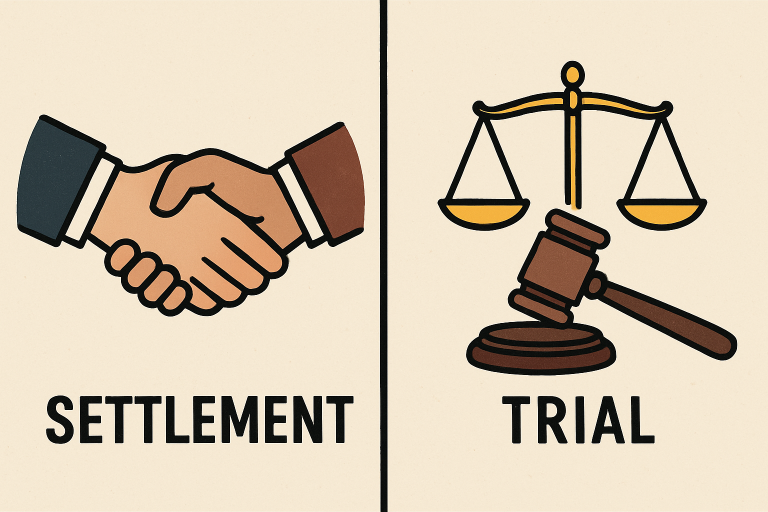
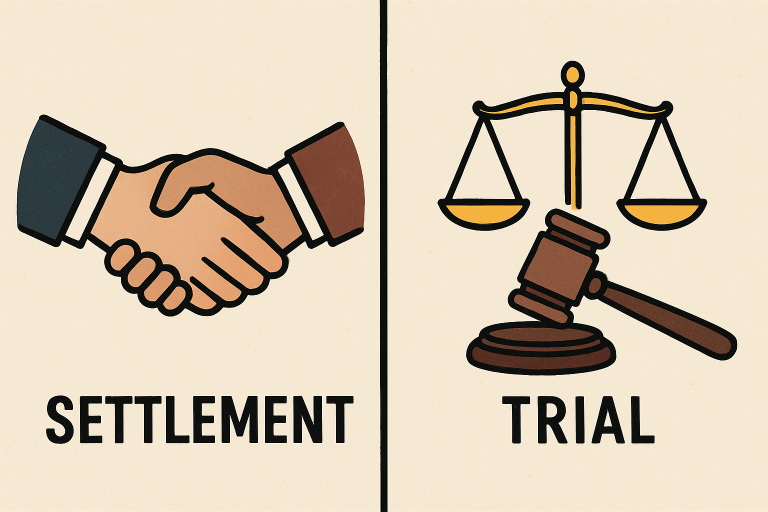
When you are injured through no fault of your own, a personal injury claim can help you seek compensation for your losses. One of the first significant decisions you may face is whether to resolve the case by negotiating a settlement or taking your case before a judge or jury. Knowing the pros and cons of both paths is crucial for making the best decisions possible. Consulting qualified personal injury lawyers in PA can help you evaluate your options based on the specific facts of your case.
Every personal injury case is unique, but understanding the differences between settlements and trials gives you a foundation for discussion with your attorney. Many clients are surprised to learn how these choices may impact their timeline, privacy, and overall compensation. Your decision should be informed by your goals, risk tolerance, and the speed with which you need access to compensation.
Understanding Settlements
A settlement is an agreement that resolves a legal claim without a trial. In a typical personal injury case, your attorney and the opposing party’s insurer communicate back and forth to negotiate an appropriate amount of compensation. This process concludes when both parties agree to the terms, and the case is officially closed. Because settlements do not require court intervention, they are the most common resolution for personal injury claims.
Most settlements involve compromise. Plaintiffs may receive a guaranteed payout faster, although the amount may be less than what a jury might award at trial. Nevertheless, many injured individuals value the privacy and efficiency of avoiding the courtroom.
Advantages of Settlements
- Faster Resolution: Settlement negotiations usually result in a payment timeline measured in weeks or months, delivering much-needed funds promptly.
- Reduced Costs: Attorney fees, expert witness costs, and other legal expenses are usually much lower because the litigation is short-lived.
- Privacy: Settlement paperwork can include confidentiality agreements to keep the matter and compensation amount private.
- Certainty: Once negotiations conclude, you are guaranteed a specific outcome and can avoid the unpredictability of trial.
Disadvantages of Settlements
- Potentially Lower Compensation: Defendants and insurers are motivated to settle for as little as possible, so plaintiffs may receive less than they would in a trial victory.
- No Admission of Fault: Most settlements do not include an admission of wrongdoing, leaving some plaintiffs unsatisfied.
- Finality: Settlements end your right to pursue more compensation or file future claims from the same incident.
Understanding Trials
If you and the opposing side cannot agree on a fair settlement, the case may proceed to trial. This means presenting your evidence and arguments before a judge, or often a jury, who will decide fault and damages. While going to trial is relatively rare, it may be necessary when liability is strongly disputed or when the parties are far apart in negotiations.
Trials place your fate in the hands of strangers, so the stakes are usually higher. The entire process may take many months to several years, depending on caseload and complexity, which can be a stressful experience for the injured party.
Advantages of Trials
- Potential for Higher Compensation: Juries can award more substantial damages, particularly in cases of egregious wrongdoing or severe injury.
- Public Record: A favorable verdict is on record, which may help vindicate the plaintiff or send a broad message about safety standards.
- Establishing Precedent: A court decision can establish a legal precedent, guiding similar future cases.
Disadvantages of Trials
- Longer Process: Trials have multiple stages, from discovery to appeal, causing significant delays before any compensation is received.
- Higher Costs: Litigation involves higher attorney fees, extensive discovery, and expert testimony, often making trials more expensive.
- Uncertainty: The verdict and compensation amount are unpredictable and determined by the judge or jury.
- Emotional Toll: Preparing for and testifying in court can be mentally and emotionally exhausting, particularly for those recovering from serious injuries.
Factors Influencing the Decision
Several critical factors can weigh heavily on whether a settlement or a trial is best. These include:
- Strength of Evidence: If you have corroborating evidence and expert testimony to back your claim, taking the case to trial might yield a larger award.
- Financial Needs: Those facing immediate medical bills or lost wages may prefer the guaranteed, quicker payout of a settlement.
- Risk Tolerance: Some individuals are more comfortable with the uncertainty of the legal process if it means a greater chance of a larger verdict.
- Desire for Privacy: Settlements are generally private, while trials are public record, so plaintiffs who value discretion may lean toward settlement.
Statistical Insights
According to the U.S. Department of Justice’s most recent civil justice statistics, only about 4% to 5% of personal injury cases are decided at trial, with the vast majority being settled out of court. These figures reflect the practicality, speed, and reduced stress of negotiating settlements. For a deeper look at nationwide civil case outcomes, see the Justia Personal Injury Law Center.
Conclusion
Choosing between settlement and trial in a personal injury case is a deeply personal decision that should be made with a clear understanding of your rights, your needs, and the specifics of your situation. For most, settlement offers speed and certainty, but a trial can occasionally deliver recognition and greater compensation. Regardless of your path, working with an experienced personal injury attorney dramatically increases your chances of a favorable outcome and ensures your interests are protected from start to finish.