
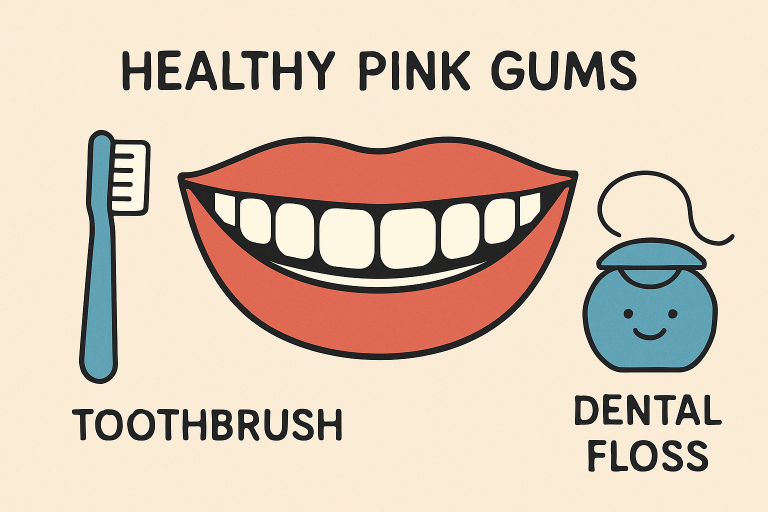
Taking care of your gums is not just about preserving a bright smile—it’s crucial to your overall health. When gums are neglected, conditions like gingivitis and periodontitis can develop, putting you at risk for tooth loss and even systemic health problems. Thankfully, straightforward daily habits can make a dramatic difference. For those seeking specialized care, gum disease treatment Manhattan, NY, provides comprehensive support through holistic dentistry for preventing and addressing gum issues.
Gum health is often overlooked, yet it forms the foundation of your oral hygiene. Excellent oral care routines, healthy lifestyle choices, and regular professional check-ups each play a vital role in preventing gum problems before they become severe.
It’s essential to remember that healthy gums not only support teeth but also contribute to your body’s ability to fight infections and maintain overall well-being. Prevention is always more effective than cure, and minor adjustments to your daily habits can yield remarkable results for your long-term health. Addressing problems early can prevent more serious complications, making regular attention to gum care a wise investment.
In addition to proper habits at home, professional advice and advanced treatments are available if you notice problems such as redness, swelling, or persistent bad breath.
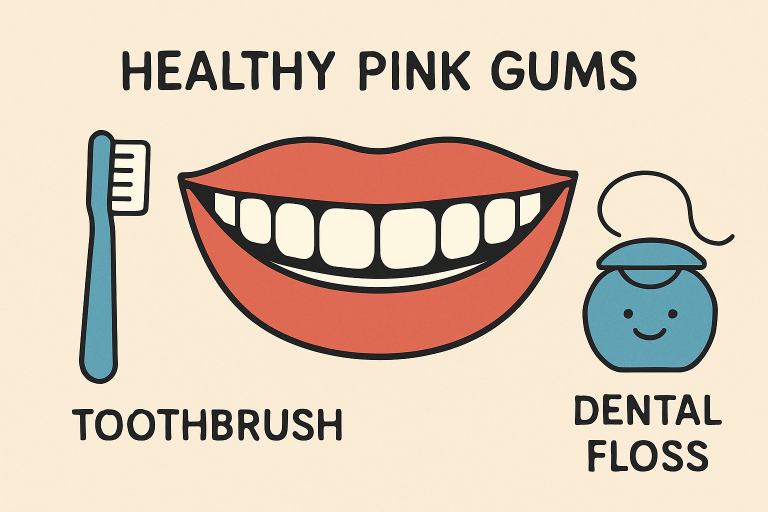
Table of Contents
Daily Oral Hygiene Practices
Thorough brushing at least twice daily with a fluoride toothpaste and a soft-bristle brush helps remove plaque before it can harden into tartar. Hold your toothbrush at a 45-degree angle at the gumline, using gentle, circular strokes. Flossing every day is equally important, as it removes debris and plaque lodged between teeth where your toothbrush can’t reach, helping you maintain healthy gums and reducing the risk of gum disease. Don’t overlook brushing your tongue, which harbors bacteria that can contribute to gum problems and bad breath.
Balanced Diet for Gum Health
Nutrition plays a critical role in gum health. Foods rich in vitamin C, such as bell peppers, kiwis, and strawberries, promote gum tissue repair and help the body fend off infection. Leafy greens and whole grains provide other essential minerals and vitamins that help combat inflammation and support the health of gum tissue. Reducing your intake of sugary snacks and beverages can further lower your risk of tooth decay and gum disease. Drinking water after meals also helps rinse away food particles and acids.
Regular Dental Checkups
Routine dental visits are crucial for maintaining your gum health. Dentists and hygienists can remove tartar that regular brushing and flossing cannot, and they spot early signs of gum disease—like swollen or bleeding gums—before these issues worsen. The American Dental Association recommends seeing your dentist at least every six months for professional cleaning and evaluation. Failing to address these visits increases the risk of untreated gum problems.
Avoid Tobacco and Limit Alcohol
Smoking and chewing tobacco are leading causes of gum disease. These habits impair blood flow, making it harder for your gums to heal from even minor injuries or inflammation. Quitting tobacco products can significantly restore oral health and lower the risk of severe gum disease. Excessive alcohol consumption, meanwhile, can dry out the mouth, reduce saliva, and make the oral cavity more susceptible to harmful bacteria. Limiting alcohol consumption contributes to a healthier mouth environment.
Manage Stress
Stress has a direct effect on your immune system, making you more prone to infections—including gum disease. People under constant stress may unconsciously neglect oral hygiene and may even develop habits such as teeth grinding. Incorporating stress-relief techniques, such as regular exercise, deep breathing, or mindfulness activities, can support gum health as part of a comprehensive wellness approach.
Stay Hydrated
Saliva plays a major role in oral health by washing away food particles and neutralizing acids. Staying hydrated by drinking water supports saliva production, keeping your gums moist, and helping prevent bacterial buildup. Water is also the best option for cleansing your mouth after meals, especially if brushing isn’t immediately possible.
Use Mouthwash
An antimicrobial or therapeutic mouthwash can bolster daily cleaning routines. Mouthwash reaches areas that brushing and flossing sometimes miss, reducing plaque and lowering the risk of gingivitis. Just remember that mouthwash is a complement to, not a substitute for, brushing and flossing.
Protect Your Teeth During Physical Activities
Physical injuries can result in gum trauma or even tooth loss. Wearing a properly fitted mouthguard during contact sports, such as football, basketball, or martial arts, can protect your teeth and gums from damage. Mouthguards are also useful for activities like cycling and skateboarding. Consider consulting your dentist about customized options for the best protection.
Consistent oral care, smart dietary choices, and regular professional check-ups are the cornerstones of gum health. Early intervention and awareness of lifestyle risks can help protect your gums for years to come and support your overall well-being.
Conclusion
Maintaining healthy gums is essential not only for a radiant smile but also for your overall well-being. Consistent daily oral hygiene, a balanced diet, regular dental visits, and mindful lifestyle choices—such as avoiding tobacco, limiting alcohol consumption, managing stress effectively, and staying hydrated—form the foundation of lasting gum health. Combining these habits with professional guidance ensures early detection and effective management of potential issues, helping you prevent complications before they arise. By prioritizing your gum care today, you invest in a healthier mouth and a stronger, more confident future.