
Choosing the right roofing solution is vital for any homeowner looking to improve their property’s protection, efficiency, and curb appeal. Today, innovations in roofing design and materials open doors to more sustainable, cost-effective, and resilient options than ever before. For anyone considering whether to repair or replace a roof, understanding these advancements is key to making an informed investment.
Modern roofing addresses everything from environmental impact to ease of maintenance, giving homeowners control over both the look and longevity of their homes. Factors like climate, local regulations, and personal budgets all play a role. Still, new products and installation techniques are making roofing more adaptable and efficient across a wide range of properties. Thanks to these solutions, homes can be better protected and more comfortable year-round.
Leveraging sustainable technologies and smart systems, residential roofing is shifting from mere protection to holistic performance. Homeowners no longer need to choose between environmental responsibility and durability; today’s materials and systems often deliver both. These innovative options are not just for new builds, as many can be incorporated into renovations and upgrades for existing homes.
For those comparing options, it is helpful to consult comprehensive resources such as By Design & Viz’s overview of modern roof types, which explains the benefits and limitations of current roofing alternatives.
Table of Contents
Sustainable Roofing Materials
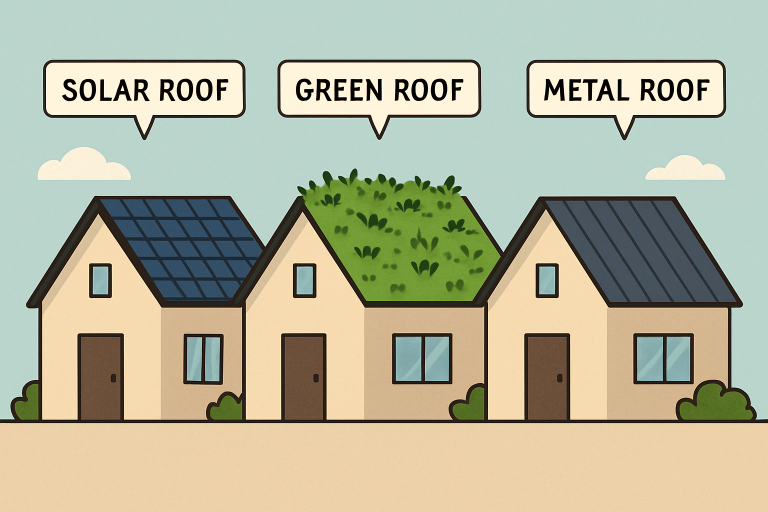
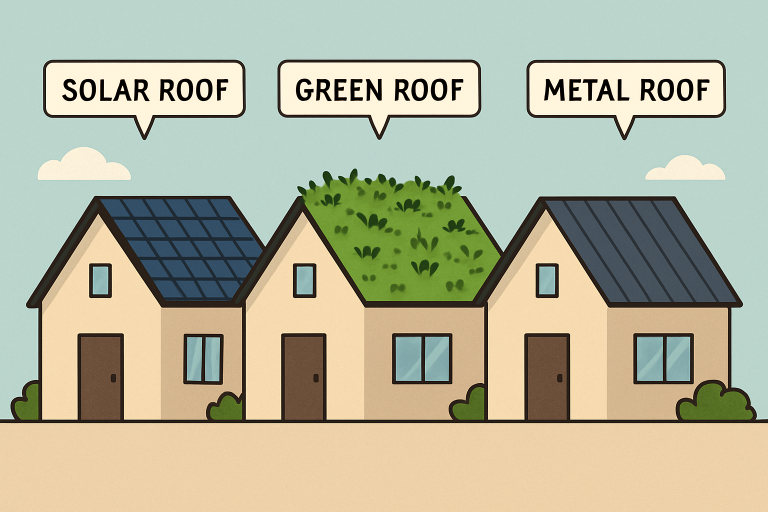
Sustainable roofing materials are gaining traction as environmental concerns become more central to home improvement decisions. Modern options include recycled shingles made from plastic or rubber waste, which mimic natural appearances while reducing landfill burden and saving energy. Metal roofing is another sustainable choice because it lasts more than five decades and is recyclable at the end of its useful life. In addition to these, solar tiles double as roofing material and energy generators, providing smart returns on investment over time. The growth in sustainable options ensures homeowners can prioritize eco-friendliness without sacrificing performance.
Integrated Solar Roofing
The integration of solar energy technology into roofing is transforming how homes generate and store power. Unlike traditional solar panels that sit atop existing shingles, solar shingles and tiles blend into the roof’s main design. This seamless integration minimizes visual disruption while enabling energy production directly from the structure. As more local and federal incentives become available and the technology itself grows more efficient, solar-integrated roofing is shifting from an eco-luxury to a mainstream upgrade for energy-conscious households. For those interested in the financial benefits of solar, the U.S. Department of Energy offers detailed insight into solar home design and savings potential.
Advanced Waterproofing and Weather Resistance
Weather protection remains at the core of roofing functionality. Today’s systems utilize synthetic underlayments, multi-layer sealing technology, and high-impact shingles to guard against wind, rain, ice, and hail. Recent material technologies, such as self-sealing membranes and robust adhesives, ensure maximum resistance without sacrificing breathability, which is key to preventing moisture and mold build-up beneath the surface. Collectively, these advances contribute to roofs that last longer and require fewer repairs, even in areas prone to storms and extreme weather shifts.
Smart Roofing Systems
Modern rooftops are now equipped with intelligent sensors and remote monitoring tools that allow homeowners to track temperature, humidity, and potential leaks in real time. These smart systems can send automatic alerts to a homeowner’s phone or email, allowing small issues to be addressed before they escalate into costly problems. For those with investment properties, vacation homes, or frequent travelers, these systems offer immense peace of mind. The continued rise of smart roofing technology is expected to drive higher standards in both maintenance efficiency and long-term roof performance.
Energy-Efficient Designs
Next-generation roof designs focus on both insulation and ventilation. Innovative technologies like radiant barriers and reflective coatings help maintain interior temperatures, reducing the need for continuous heating or cooling. Integrated passive ventilation systems circulate air beneath roofing surfaces, mitigating moisture accumulation and further supporting climate control. These combined strategies not only create more energy-efficient homes but also lower utility costs and carbon footprints, making them attractive for eco-minded homeowners.
Lightweight and Durable Materials
Advancements in material science have led to the creation of composite shingles, engineered polymers, and metal alloys that offer outstanding strength without excess weight. These materials alleviate the structural demands often placed on older homes while still providing high resistance to environmental threats like heavy snow or intense solar exposure. Additionally, lighter construction makes installation easier and reduces labor costs, further boosting the appeal of these cutting-edge options for new builds and remodels alike.
Green Roofs and Living Systems
Green roofs, designed to support vegetation over a waterproof barrier, are increasingly common in both urban and suburban settings. By absorbing rainwater, they mitigate runoff and reduce flooding risks, while the plant layer buffers indoor temperatures and improves local air quality. Initially a niche choice for stormwater management in cities, green roofs are now recognized as a viable solution for property owners interested in both beauty and performance. Their ability to support native plants and pollinators is an added ecological benefit.
Low-Maintenance Roofing Options
Low-maintenance roofing is a top priority for today’s busy families. Innovative features such as algae-resistant granules, self-cleaning coatings, and durable composites significantly minimize routine upkeep. Some roofs even incorporate nanoparticle coatings that mimic the hydrophobic lotus effect, causing water and dirt to bead off the surface naturally. By reducing the need for frequent cleaning or repairs, these materials keep roofs in peak condition for years, maximizing both value and convenience for homeowners.
Modern roofing technology provides homeowners with choices that optimize durability, sustainability, efficiency, and aesthetic appeal. By investigating the latest advancements and pairing them with expert installation, homeowners can enjoy peace of mind and improved property value for decades to come.