
Sacramento Rental Rates and Income Eligibility Guidelines
We understand that finding an apartment in Sacramento that fits your budget can feel like a challenge. Our city is growing, and with nearly half of its housing being rented, many residents are looking for quality living options that are also affordable. As of October 2026, the average one-bedroom apartment rents for about $1,942, highlighting the strong need for budget-friendly choices.
This guide is designed to help you find your next home. We will explain what “affordable” truly means in Sacramento and break down typical rent ranges by unit size. We will also cover income limits, the application process, and where to find the best housing options. For more specific Sacramento affordable housing resources, we recommend exploring trusted local organizations.
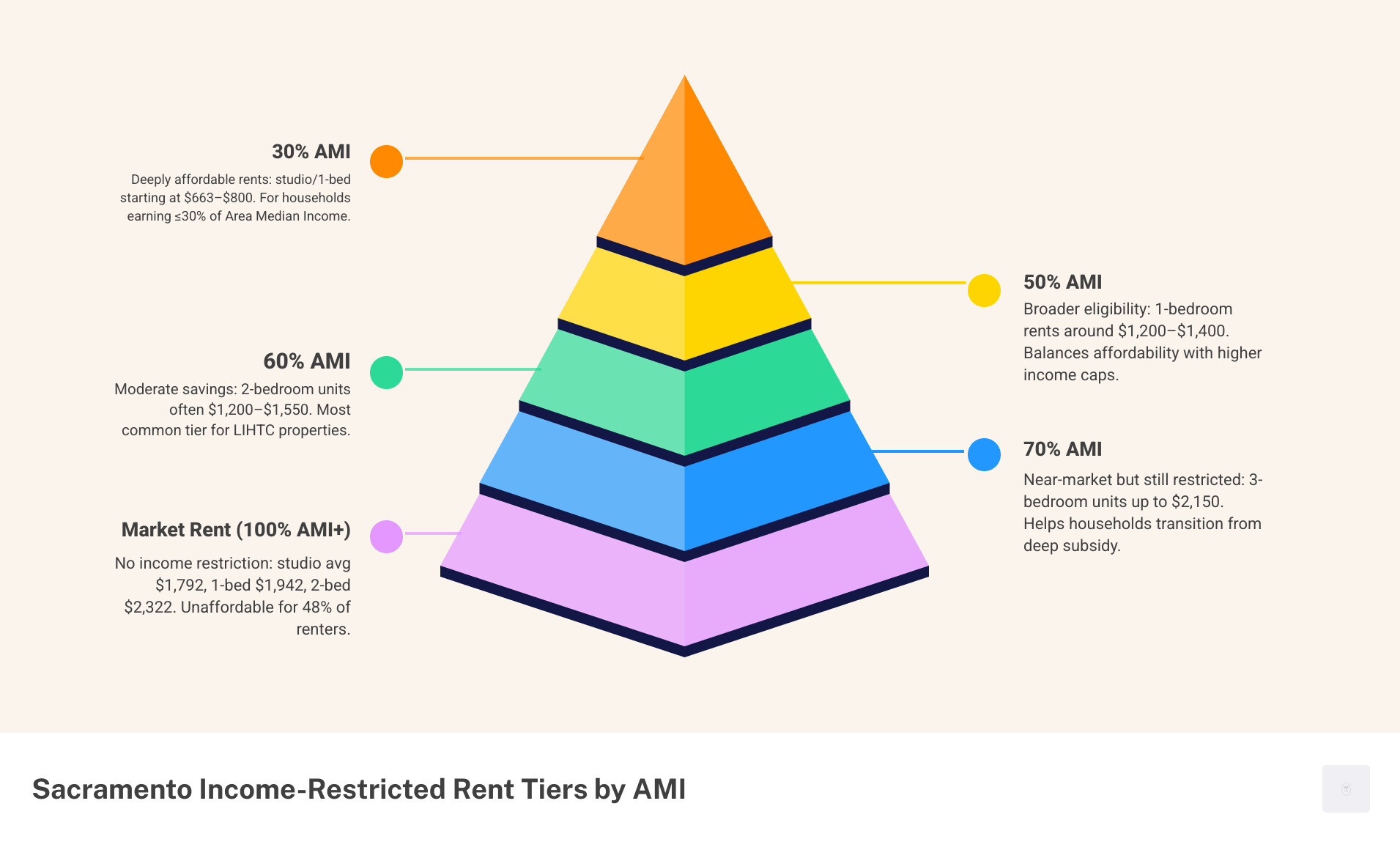
Understanding what constitutes an “affordable apartment” in Sacramento begins with the Area Median Income (AMI). AMI is a figure calculated annually by the Department of Housing and Urban Development (HUD) for each metropolitan area. In Sacramento, affordability is typically determined by comparing a household’s income to this AMI. Affordable housing programs then set rent limits based on percentages of the AMI, often targeting households earning 30%, 50%, 60%, or sometimes 70% of the AMI. This tiered approach ensures that housing remains accessible to individuals and families across various income levels.
For instance, a household earning 30% of the AMI would qualify for the lowest rent tiers, while those at 60% or 70% AMI would qualify for slightly higher, but still below-market, rents. These income limits vary based on household size, as a larger family requires a higher income to meet the same percentage of AMI.
To put this into perspective, let’s look at the general market rent benchmarks in Sacramento as of October 2026:
- Studio apartments: average around $1,792 per month.
- One-bedroom apartments: average around $1,942 per month.
- Two-bedroom apartments: average around $2,322 per month.
These figures represent market-rate rentals, which can be challenging for many households. Affordable housing developments, however, offer significantly lower rents. For example, some income-restricted units can start as low as $663 for a one-bedroom at the 30% AMI level, or $919 for a three-bedroom at the same income tier.
When considering affordable housing, it’s also crucial to factor in utility allowances. Many affordable housing properties include some utilities, such as water, sewer, and garbage, in the monthly rent, which further reduces a tenant’s overall housing cost. Others may require tenants to pay for electricity, cooking fuel, and cooling, while the owner covers heating, hot water, trash, and pest control. Always clarify what utilities are included to accurately budget your housing expenses.
The following table illustrates the general difference between market-rate rents and typical income-restricted rents for various unit sizes in Sacramento, based on recent development data:
Unit Size Average Market Rent (October 2026) Typical Income-Restricted Rent (Range) Studio $1,792 $800 – $1,100 1-Bedroom $1,942 $663 – $1,550 2-Bedroom $2,322 $795 – $1,860 3-Bedroom N/A (higher than 2-bed) $919 – $2,150 Note: Income-restricted rents vary significantly based on AMI percentage (30%, 50%, 60%, 70%) and specific property programs.
Key Sacramento Affordable Housing Resources and Assistance Programs
Sacramento offers a variety of affordable housing programs designed to assist low-income residents. These programs often come with specific eligibility criteria and application processes, but they are vital pathways to securing stable and affordable housing.
Core Programs and Sacramento Affordable Housing Resources
One of the most prevalent types of affordable housing is supported by the Low-Income Housing Tax Credit (LIHTC) program. LIHTC properties are privately owned but receive federal tax credits in exchange for setting aside a certain percentage of units for low-income tenants at restricted rents. These properties are a cornerstone of affordable housing development in Sacramento, offering brand-new or recently renovated apartments at accessible price points.
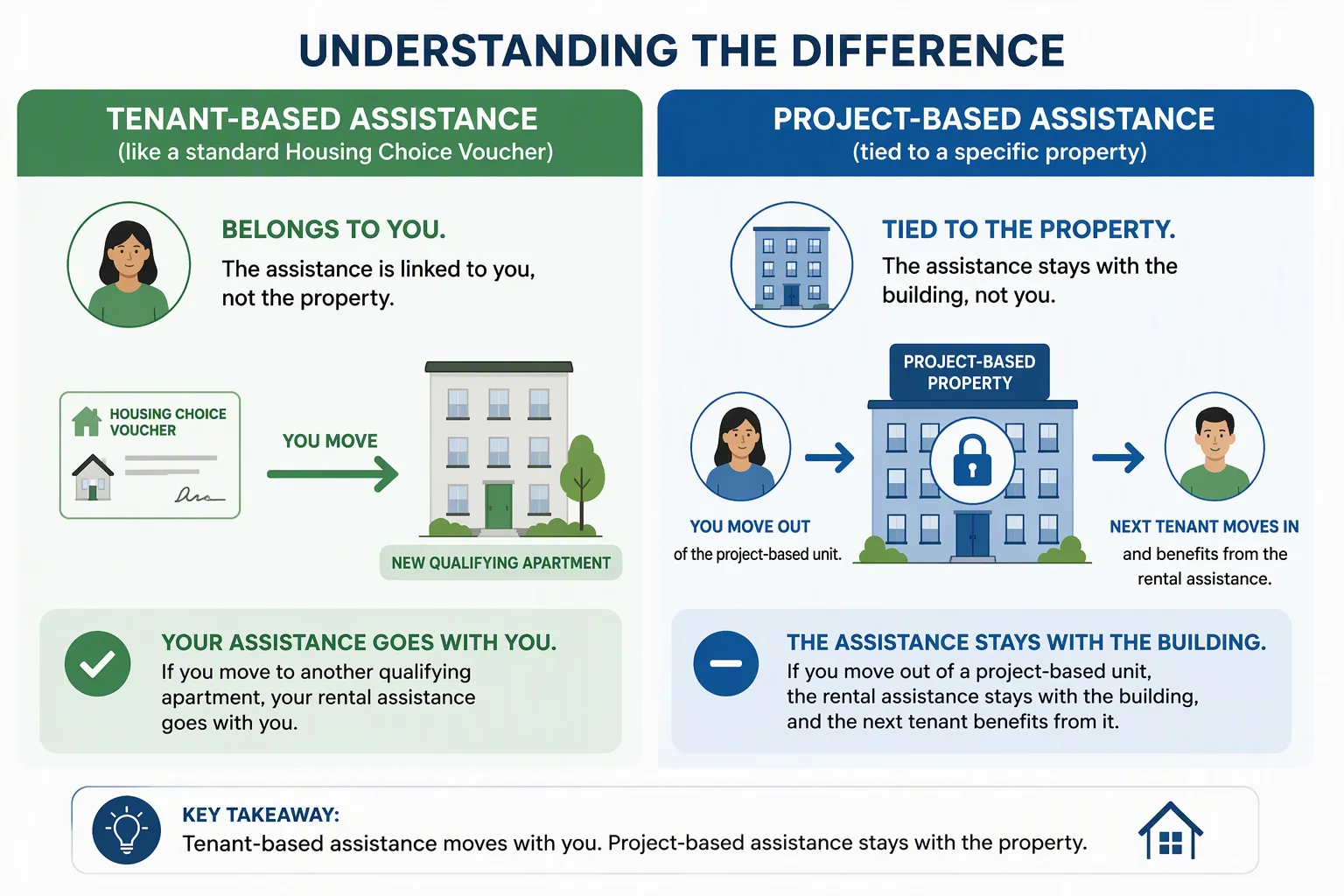
Another significant program involves Project-Based Vouchers (PBV). Unlike tenant-based vouchers, PBVs are attached to specific housing units, meaning the subsidy remains with the property. Access to PBV units is typically by referral from housing authorities or partner agencies, often targeting specific populations like those experiencing or at risk of homelessness.
The widely recognized Section 8 (Housing Choice Voucher) program provides tenant-based subsidies, allowing eligible low-income families, seniors, and persons with disabilities to choose their own housing in the private market. The voucher then pays a portion of the rent directly to the landlord. Many affordable properties in Sacramento explicitly welcome Section 8 vouchers, making them a crucial tool for renters.
Furthermore, Permanent Supportive Housing (PSH) units are available for individuals and families who have experienced chronic homelessness, often integrating housing with supportive services like case management and mental health assistance. Developments like “On Broadway” and “Rivo” dedicate a significant portion of their units to PSH residents.
All affordable housing programs in Sacramento are subject to Fair Housing compliance, ensuring non-discriminatory practices. Many new developments also include a percentage of accessible units for persons with mobility, hearing, vision, or other sensory impairments, with reasonable accommodations available upon request. For a comprehensive list of Sacramento affordable housing resources, including local programs and support, we encourage you to visit dedicated platforms.

Digital Search Portals and Sacramento Affordable Housing Resources
Finding an affordable apartment in Sacramento often starts with knowing where to look online. Several digital platforms and property management registries specialize in listing income-restricted properties:
- AffordableHousing.com: This platform positions itself as a leading source for affordable rentals, often providing detailed information on eligibility and application processes.
- Apartment.com, RentCafe, and Trulia: These major rental marketplaces allow users to filter searches specifically for “low-income/income-restricted” housing. They also offer filters for unit size, amenities, and crucial features like “pet-friendly” options, which are vital for many households.
- Property Management Websites: Companies like EAH Housing and Mercy Housing, which manage many affordable properties in Sacramento, often list their available units and waitlist information directly on their websites. New developments like “On Broadway” and “The Heights on Stockton” provide direct application portals through their management companies.
When navigating these portals, look for specialty housing filters that allow you to narrow down options by criteria such as “low-income/income-restricted,” “military,” “student,” or “senior” housing. The “pet-friendly” filter is also invaluable for those with animal companions, as many affordable properties now accommodate pets, though often with specific policies and deposits.
The application process for affordable housing typically requires a comprehensive set of documents to verify eligibility. While specific requirements may vary by program and property, here is a general list of what prospective renters should prepare:
- Proof of Income: Recent pay stubs (typically 3-6 months), tax returns (W-2s or 1099s), Social Security benefit letters, pension statements, or unemployment verification.
- Proof of Assets: Bank statements, investment account statements, and documentation of any other assets.
- Identification: Government-issued photo ID (driver’s license, state ID, passport) for all adult household members.
- Social Security Cards: For all household members.
- Birth Certificates: For all minor household members.
- Proof of Household Size: Marriage certificates, divorce decrees, child custody agreements, or other documents verifying family composition.
- Rental History: Previous landlord contact information, lease agreements, or rent receipts.
- Credit Report: Some properties may require a credit check, though the criteria for affordable housing can be more flexible than market-rate rentals.
- Background Check: Criminal background checks are standard.
- Proof of Disability (if applicable): For accessible units or reasonable accommodation requests.
- Section 8 Voucher (if applicable): Your official voucher documentation.
Having these documents ready can significantly streamline the application process and help you secure an apartment more quickly once a suitable unit becomes available.
Top Neighborhoods and High-Quality Communities Across Sacramento
Sacramento’s commitment to affordable housing is evident in the strategic placement of new and existing developments across various neighborhoods. These communities are often chosen for their access to public transit, services, and job centers, enhancing the quality of life for residents.
Several areas in Sacramento are emerging as hubs for affordable housing:
- Central City / Broadway Corridor: This area, particularly around the Broadway Blue Line light-rail station, is home to new developments like “On Broadway.” This project not only provides 140 affordable units but also aims to be a catalytic site for economic revitalization, integrating housing with ground-floor commercial spaces.
- North Sacramento / Woodlake: The Woodlake neighborhood, specifically, features communities like “Rivo.” These developments are strategically located within a 1-minute walk of the Arden/Del Paso Station light rail, offering excellent connectivity. They also benefit from proximity to parks and shopping centers like Arden Fair.
- Stockton Boulevard: “The Heights on Stockton” is a significant development in this area, offering 200 units across various AMI tiers. It’s part of a citywide plan to reduce chronic homelessness and is situated near essential services, schools, and libraries.
- South Sacramento / 95823 Area: This region, including areas like Sky Parkway, offers a mix of affordable options, with some listings explicitly welcoming Section 8 vouchers and featuring community amenities like swimming pools and gyms.
- 95817 ZIP Code (North Oak Park): This area also shows a concentration of affordable rentals, with units often priced under $2,000, including a mix of apartments and townhouses.
These developments are not just about providing shelter; they are designed to be vibrant communities that support their residents.
Modern Community Features and Sustainable Amenities
Affordable apartment communities in Sacramento are increasingly incorporating modern amenities and sustainable features that enhance resident well-being and reduce living costs. Common offerings include:
- Energy-Efficient Appliances: Many new developments come equipped with energy-efficient refrigerators, dishwashers, and other appliances, which help lower utility bills for residents.
- EV Charging Stations: Reflecting a commitment to sustainability, some properties now include electric vehicle charging stations, making green transportation more accessible.
- Community Centers and Rooms: These spaces serve as hubs for resident activities, workshops, and gatherings, fostering a sense of community.
- Co-working Areas: With the rise of remote work, on-site co-working spaces, as seen at “Rivo,” provide residents with professional environments without the need for an expensive office.
- Bike Storage: Secure bicycle storage is a common amenity, especially in transit-oriented developments, encouraging eco-friendly commuting.
- Courtyards and Playgrounds: Outdoor spaces like courtyards and play structures offer safe and accessible areas for relaxation and recreation for families.
- Resident Services: Many affordable communities provide on-site resident services, such as resource coordination, financial literacy workshops, after-school homework help, and even on-site childcare, as offered at “Rivo.” These services are invaluable for supporting families and individuals.
- Transit Passes: Some developments, like “Rivo,” even offer residents transit passes to encourage the use of public transportation, further reducing transportation costs and environmental impact.
These thoughtful amenities contribute significantly to the quality of life in affordable housing, proving that budget-friendly living doesn’t mean sacrificing comfort or convenience.
Securing an affordable apartment in Sacramento involves a detailed application process, often accompanied by waitlists due to high demand. Understanding this process and being prepared can significantly improve your chances.
The typical application process includes:
- Online or Paper Applications: Most properties offer online applications, but paper forms are usually available upon request.
- Required Documentation: As mentioned earlier, you’ll need to provide extensive documentation, including proof of income (recent pay stubs, tax returns), assets, and identification for all household members.
- Background and Credit Checks: Applicants will undergo background checks and credit screening. While specific criteria for affordable housing can be more flexible than market-rate rentals, a history of responsible financial behavior is generally preferred.
- Waitlists: Due to the high demand for affordable housing, many properties operate on a waitlist system. It’s common for waitlists to be long, sometimes even years. Some properties may open their waitlists for specific periods, so it’s important to monitor their websites or sign up for email alerts.
- Application Timelines: The processing duration can vary. Some applications may be processed within weeks, while others, especially those involving complex income verification or specific program requirements, may take longer.
Once approved, prospective tenants will typically need to pay a security deposit, which is often equivalent to one month’s rent. In some cases, programs or non-profits may offer assistance, such as one month paid in advance for deposit assistance, to help low-income individuals cover these upfront costs.
It’s also worth looking out for move-in specials or leasing incentives. While less common for deeply subsidized units, some properties might offer promotions like “one month free” or waived application fees, especially for units at higher AMI tiers or during specific leasing periods. Digital search portals often have filters to specifically identify properties offering such specials. Always inquire directly with the leasing office about any available incentives or fee waivers when you apply.
Frequently Asked Questions About Affordable Living in Sacramento
We often encounter common questions from individuals and families seeking affordable housing in Sacramento. Here are answers to some of the most frequently asked questions:
How is affordability determined for Sacramento apartment rentals?
Affordability for apartment rentals in Sacramento is primarily determined by the Area Median Income (AMI), as calculated by the Department of Housing and Urban Development (HUD). Housing programs set specific income tiers (e.g., 30%, 50%, 60%, or 70% of AMI) that a household’s gross income must fall within to qualify. These income limits are adjusted based on household size, recognizing that larger families have higher needs. For each income tier and unit size, a maximum rent cap is established, ensuring that the rent is considered affordable for the target income group. This system ensures that households are not spending more than 30% of their income on housing, which is the widely accepted standard for affordability.
What is the cheapest rent available for an apartment in Sacramento?
The absolute cheapest rent available for an apartment in Sacramento can vary significantly and is typically found within deeply subsidized affordable housing programs, particularly those targeting the 30% AMI level. Based on recent information, some LIHTC base rates for a one-bedroom unit can start as low as $663 per month. For market-rate “budget” rentals, listings on various platforms have shown units starting around $1,079 to $1,175 per month, often for studios or smaller one-bedroom units. These extremely low rents are usually for income-restricted properties, meaning you must meet specific eligibility criteria to qualify. It’s important to search dedicated affordable housing platforms and property management websites for the most current and lowest-priced listings.
Do affordable housing developments in Sacramento allow pets?
Yes, many affordable housing developments in Sacramento are increasingly becoming pet-friendly. Recognizing the importance of pets to families, properties like those listed on Trulia and RentCafe often allow pets, though with specific pet policies and regulations. These policies typically include limits on the number, size, or breed of pets, and often require a separate pet deposit or monthly pet rent. When searching online, make sure to use the “pet-friendly” filters to narrow down your options. Additionally, properties must adhere to assistance animal guidelines, meaning service animals and emotional support animals are generally permitted without breed or weight restrictions, provided proper documentation is supplied, and are not subject to pet fees. Always confirm the specific pet policy with the leasing office before applying.
Conclusion
Finding an affordable apartment in Sacramento is a journey that requires understanding the landscape of income-restricted housing, knowing where to look, and being prepared for the application process. As Sacramento continues to grow, our commitment to providing quality, budget-friendly homes remains strong, with new developments and programs continually emerging to meet the needs of our diverse community.
By leveraging the resources available, understanding AMI guidelines, and exploring the vibrant, amenity-rich communities across the city, you can discover a home that offers both housing stability and long-term affordability. These efforts not only provide essential shelter but also contribute to neighborhood revitalization and foster stronger, more resilient communities. We believe that everyone deserves a safe and affordable place to call home, and Sacramento is dedicated to making that a reality for its residents.