
Table of Contents
- 1 The Crucial Role of Windows in Indoor Air Circulation
- 2 How Window Styles Affect Ventilation Patterns
- 3 Optimal Placement and Orientation for Airflow
- 4 Window Size: Bigger Isn’t Always Better
- 5 Modern Solutions: Window Technology and Features
- 6 Ventilation Strategies for Different Climates
- 7 Tips for Homeowners to Boost Airflow Through Window Selection
- 8 Bringing It All Together: Real-World Benefits of Thoughtful Window Design
The Crucial Role of Windows in Indoor Air Circulation
Windows are more than just architectural features; they are integral to the health and comfort of your home environment. By letting in fresh air and circulating out stagnant air, windows directly impact how you feel indoors. Proper airflow reduces indoor air pollution, eliminates musty odors, and maintains a comfortable temperature throughout the day. It only takes a few strategic adjustments to significantly impact home ventilation.
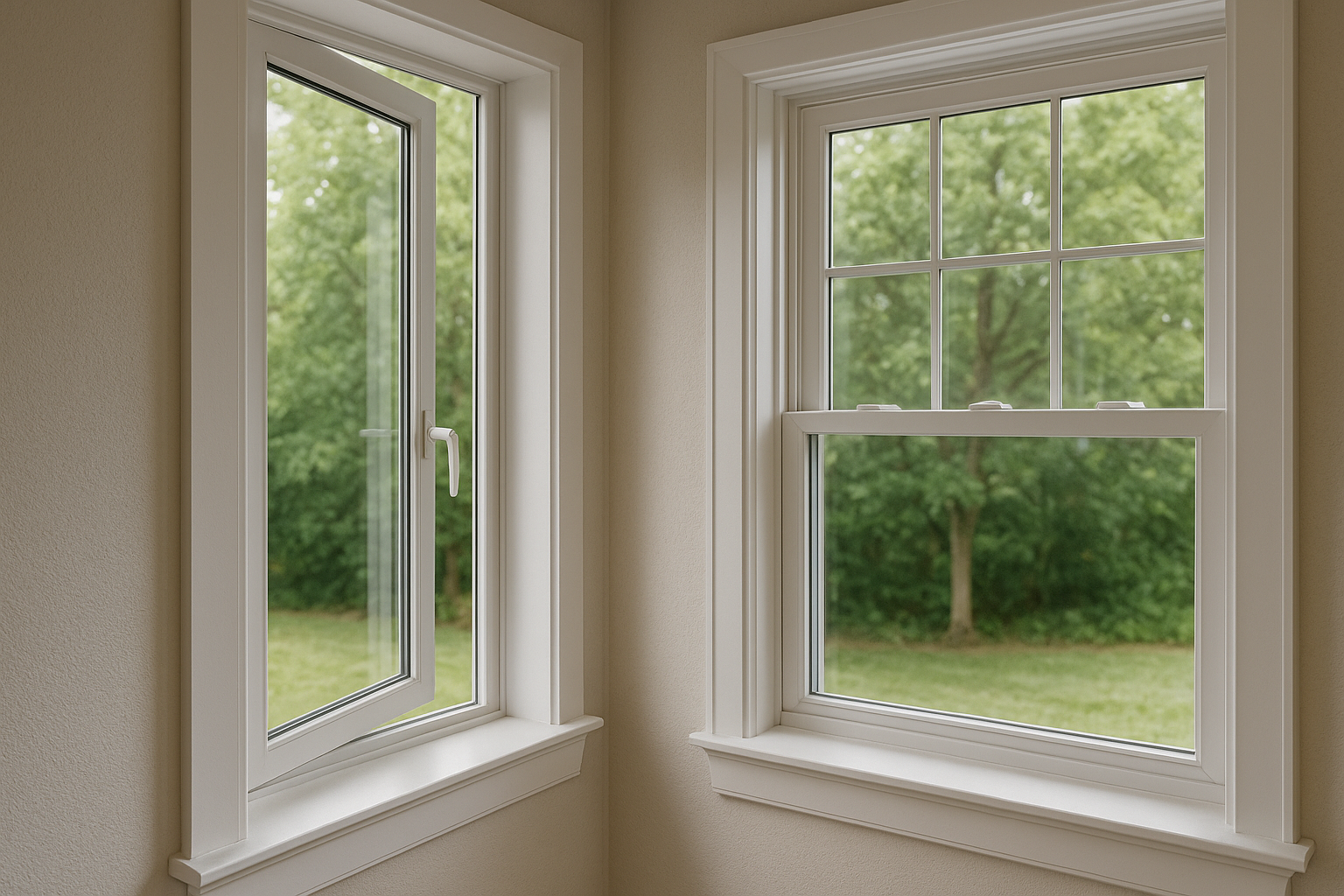
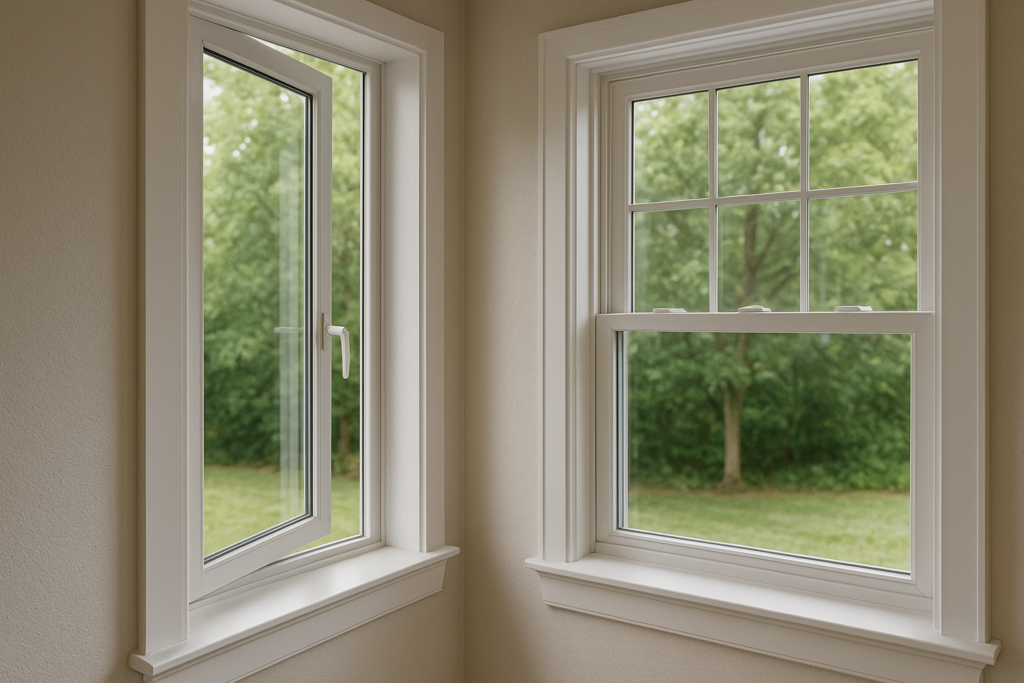
Much of your home’s ventilation efficiency comes down to the style of windows you choose and how they’re employed. For example, evaluating casement vs double hung windows reveals key differences that affect style and how effectively each pushes and pulls air through your living spaces. The design, operation, and functional differences between window types can significantly impact your comfort, energy use, and indoor air quality.
How Window Styles Affect Ventilation Patterns
Each window style offers a unique way to direct airflow: casement windows hinge at the side and open outward, acting like sails to capture breezes; double-hung windows let both sashes move for continuous air movement; awning windows hinge at the top, providing rain protection when open; sliding windows create broad horizontal channels; fixed windows, though great for light, offer no ventilation and are best used with operable units. Choosing the right style based on local conditions and venting needs can outperform mechanical ventilation in energy savings and air quality.
Optimal Placement and Orientation for Airflow
Window placement can be just as critical as window style. Cross-ventilation—placing windows on opposite sides of a room or house—creates a pathway for air to move through, flushing out stale air and drawing in refreshing breezes. The orientation of your windows also matters; southern-facing windows in the Northern Hemisphere catch gentle seasonal winds but may need exterior shading to reduce summer heat gain. Elevation plays a role, too: Combining high and low windows allows warm air to rise and escape while cooler air is drawn in from below, balancing temperatures throughout the year.
Window Size: Bigger Isn’t Always Better
Intuitively, larger windows seem like they should bring in more air, but size must be matched with both room dimensions and the desired air movement. Oversized windows can circulate air inefficiently or cause unwanted drafts, while small, overcrowded windows may not provide sufficient ventilation. As a rule, window openings should comprise 10-20% of the room’s floor area. This proportion strikes a smart balance—enough to draw in daylight and maintain constant, controlled airflow without causing thermal discomfort or compromising your home’s energy performance.
Modern Solutions: Window Technology and Features
Contemporary window technology brings innovative options for homeowners upgrading ventilation without sacrificing security or style. Trickle vents, for example, let in fresh air continuously without allowing pests or rain. Tilt-turn windows offer flexible control—tilting inward at the top for secure ventilation, or swinging open fully for maximum airflow. Multi-locking mechanisms provide peace of mind, while automation—windows that open or close based on humidity or CO2 levels—means your home can ‘breathe’ even when you’re away.
Ventilation Strategies for Different Climates
Window solutions must be matched to local climate conditions for the best results. In humid or rainy areas, awning windows allow ventilation while blocking out moisture. In cold climates, double- or triple-glazed windows insulate effectively, and features like trickle vents or adjustable sashes permit airflow without significant heat loss. Hot, arid climates benefit from higher, narrow window placements that capture breezes but avoid unwanted solar gain. Tailoring your ventilation strategy ensures year-round comfort, no matter where you live.
Tips for Homeowners to Boost Airflow Through Window Selection
- Mix window styles—such as pairing casements with double-hung windows—to access different airflow patterns in other rooms.
- Position new or replacement windows to capitalize on local wind directions and seasonal changes.
- Choose screens and grids with large open areas to maximize breeze while keeping insects at bay.
- When retrofitting, look into insertion windows for existing frames to tweak airflow without expensive or invasive remodeling.
For homeowners interested in improving air quality and comfort through window choices, the EPA’s guide to indoor air quality offers additional details on how components like windows factor into a healthy home.
Bringing It All Together: Real-World Benefits of Thoughtful Window Design
Strategically placed windows improve air quality, comfort, and energy efficiency. Well-ventilated spaces lead to better sleep, fewer allergies, and lower indoor pollutants. Regular maintenance, like cleaning tracks and checking seals, enhances ventilation and adds long-term value.