
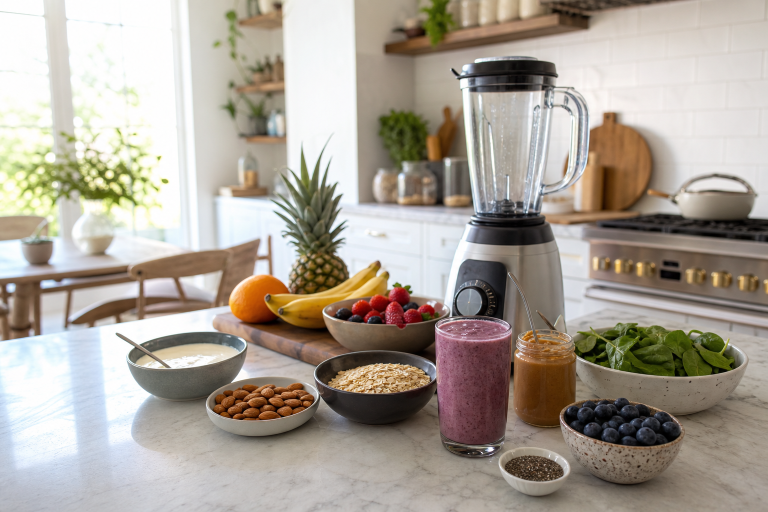
A smoothie can be an easy breakfast, a refreshing snack, or a practical post-workout option, but the most satisfying versions include more than fruit and ice. Starting with quality ingredients, including organic smoothies made with produce, protein, and smart add-ins, can make it easier to create a drink that tastes good and fits into everyday routines. Balance does not require a complicated recipe or expensive supplements. A few familiar ingredients can provide creaminess, flavor, fiber, and staying power, whether the goal is a light afternoon snack or a more substantial breakfast.
Table of Contents
- 1 Why Balance Matters In A Smoothie
- 2 The Five-Part Smoothie Formula
- 3 Choose A Smart Liquid Base
- 4 Add Protein For Staying Power
- 5 Build In Fiber And Healthy Fats
- 6 Control Sweetness Without Losing Flavor
- 7 Improve Texture And Flavor
- 8 Match The Smoothie To The Day
- 9 Common Smoothie Mistakes To Avoid
- 10 A Simple Five-Step Method
- 11 Common Questions About Balanced Smoothies
- 12 Final Thoughts
Why Balance Matters In A Smoothie
A fruit-only smoothie may be delicious, yet some people feel hungry again soon afterward. Berries, juice, and ice make a refreshing drink, while berries blended with plain yogurt, ground seeds, and water provide a more complete mix. Protein, fiber, and fat can slow the rush from a very sweet drink and make the smoothie feel more substantial.
The Five-Part Smoothie Formula
Use a simple five-part formula: choose a liquid, add fruit or vegetables, include a protein source, add a fiber-rich or healthy-fat ingredient, and finish with flavor. The formula is flexible. A quick snack may use only a few components, while breakfast may include all five.
- Liquid: Water, milk, or an unsweetened plant-based alternative.
- Produce: Fresh or frozen fruit, vegetables, or both.
- Protein: Yogurt, tofu, cottage cheese, soy milk, or protein powder.
- Fiber and healthy fat: Oats, chia seeds, flaxseed, avocado, or nut butter.
- Flavor: Cinnamon, ginger, cocoa, citrus zest, mint, or vanilla.
Choose A Smart Liquid Base
Liquid controls both texture and nutrition. Water keeps a smoothie light, dairy milk adds creaminess and protein, and unsweetened soy milk is a useful plant-based choice with more protein than many alternatives. Almond and oat beverages can work well, although labels vary widely. For an occasional savory meal out, a delicious smash burger can fit into a balanced lifestyle, especially when flexibility, rather than rigid food rules, guides everyday choices.
Add Protein For Staying Power
Protein helps turn a light drink into a breakfast or recovery snack that better matches a busy day. Plain Greek yogurt, cottage cheese, silken tofu, unsweetened soy milk, nut butter, and simple protein powders are all workable options. Powders are optional, not essential. Whole-food ingredients often provide plenty of body and flavor. Anyone managing kidney disease, allergies, or another medical condition should seek personalized advice before making major dietary changes.
Build In Fiber And Healthy Fats
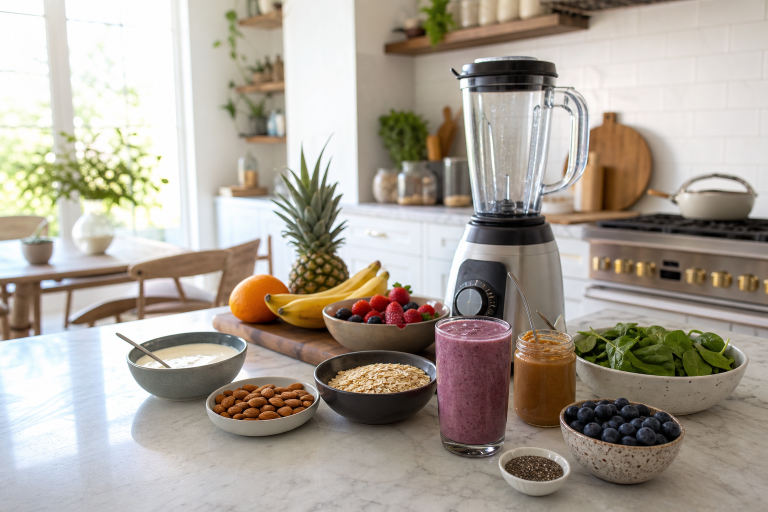
Fiber-rich foods can promote fullness and help create a smoothie that feels more like a meal than a sweet beverage. The fiber found in whole fruits, vegetables, oats, nuts, and seeds is especially useful because these ingredients also contribute texture and nutrients. Try one or two additions instead of loading in everything at once:
- Chia seeds or ground flaxseed
- Rolled oats
- Berries or leafy greens
- Avocado
- Peanut, almond, or sunflower seed butter
Increase high-fiber ingredients gradually if they are new to your usual eating pattern, and drink enough fluids throughout the day.
Control Sweetness Without Losing Flavor
Ripe bananas, mango, pineapple, and frozen berries can provide plenty of sweetness without making juice, syrup, or honey the main event. Cinnamon, vanilla, unsweetened cocoa powder, ginger, and citrus zest add interest without extra sugar. If a blend still needs sweetness, use a small amount of date or pair sweet fruit with tart berries or plain yogurt. Fruit contains natural sugar and calories, so portion size still matters.
Improve Texture And Flavor
Texture can determine whether a smoothie becomes a repeat breakfast or gets forgotten after one try. Use frozen fruit instead of excessive ice for a thick, creamy result. Add the liquid slowly, blend the oats or seeds thoroughly, and allow very hard-frozen ingredients to soften for a few minutes first. The ingredient combinations in healthy smoothie preparation guidance also reinforce the value of limiting added sugars and choosing nutrient-dense mix-ins.
Match The Smoothie To The Day
For A Quick Breakfast
Include protein, produce, fiber, and enough volume to keep hunger manageable. If you are still hungry soon after, pair the smoothie with whole-grain toast, eggs, or another solid food.
For A Light Snack
Use a smaller portion with fruit, water or milk, and yogurt or a modest spoonful of seeds.
For Post-Workout Recovery
Combine carbohydrates and protein, such as banana, berries, milk, yogurt, or soy milk. More intense or longer activity may call for a larger serving.
For A Hot Day
Keep the mix bright and hydrating with cucumber, citrus, herbs, water-rich fruit, and frozen berries.
Common Smoothie Mistakes To Avoid
- Using juice as the primary liquid can make the drink overly sweet.
- Skipping protein when the smoothie is intended to replace a meal.
- Adding multiple sweeteners, flavored yogurt, dates, and honey in one blend.
- Using large amounts of calorie-dense ingredients, such as oils, nut butter, seeds, and powders.
- Ignoring portion size, especially with large restaurant-style smoothies.
A Simple Five-Step Method
- Start with about one cup of liquid.
- Add one serving of fruit, vegetables, or both.
- Choose one main protein source.
- Add one fiber-rich ingredient and one flavor booster.
- Blend, taste, and adjust with more liquid or frozen produce.
Keep notes on combinations that work. A short list of dependable recipes saves time, reduces food waste, and makes weekday choices easier.
Common Questions About Balanced Smoothies
Can A Smoothie Replace Breakfast?
It can, depending on its ingredients, serving size, and your appetite. A small fruit smoothie is usually better suited to snack time than a full breakfast.
Are Smoothies Better Than Juices?
Smoothies usually retain more of the whole produce, including pulp and fiber, while juice commonly removes much of it. Both can fit into an eating pattern, but added sugar and portions matter.
Should Greens Go In Every Smoothie?
No. Greens are useful, but vegetables can also come from soups, salads, grain bowls, and cooked meals.
Is Frozen Produce A Good Choice?
Yes. Frozen produce is convenient, often budget-friendly, and excellent for thickening smoothies while reducing waste.
Final Thoughts
A balanced smoothie does not need complicated rules. Combine produce with protein, fiber, a sensible liquid base, and flavors you genuinely enjoy. The best smoothie is one that suits the moment, supports your needs, and is easy enough to make again tomorrow. Start with fresh or frozen fruits and vegetables, then add ingredients such as yogurt, milk, tofu, nut butter, seeds, or oats to make the drink more satisfying. Adjust the texture with water, milk, or another preferred liquid, and use spices or natural flavors for variety. Keep portions practical, especially when adding calorie-dense ingredients such as nut butters or sweeteners. You can also prepare ingredients ahead of time by portioning fruit, greens, and other additions into freezer-safe containers. With a simple formula and a few favorite combinations, smoothies can become a convenient part of a regular breakfast, snack, or meal routine without requiring elaborate preparation.