
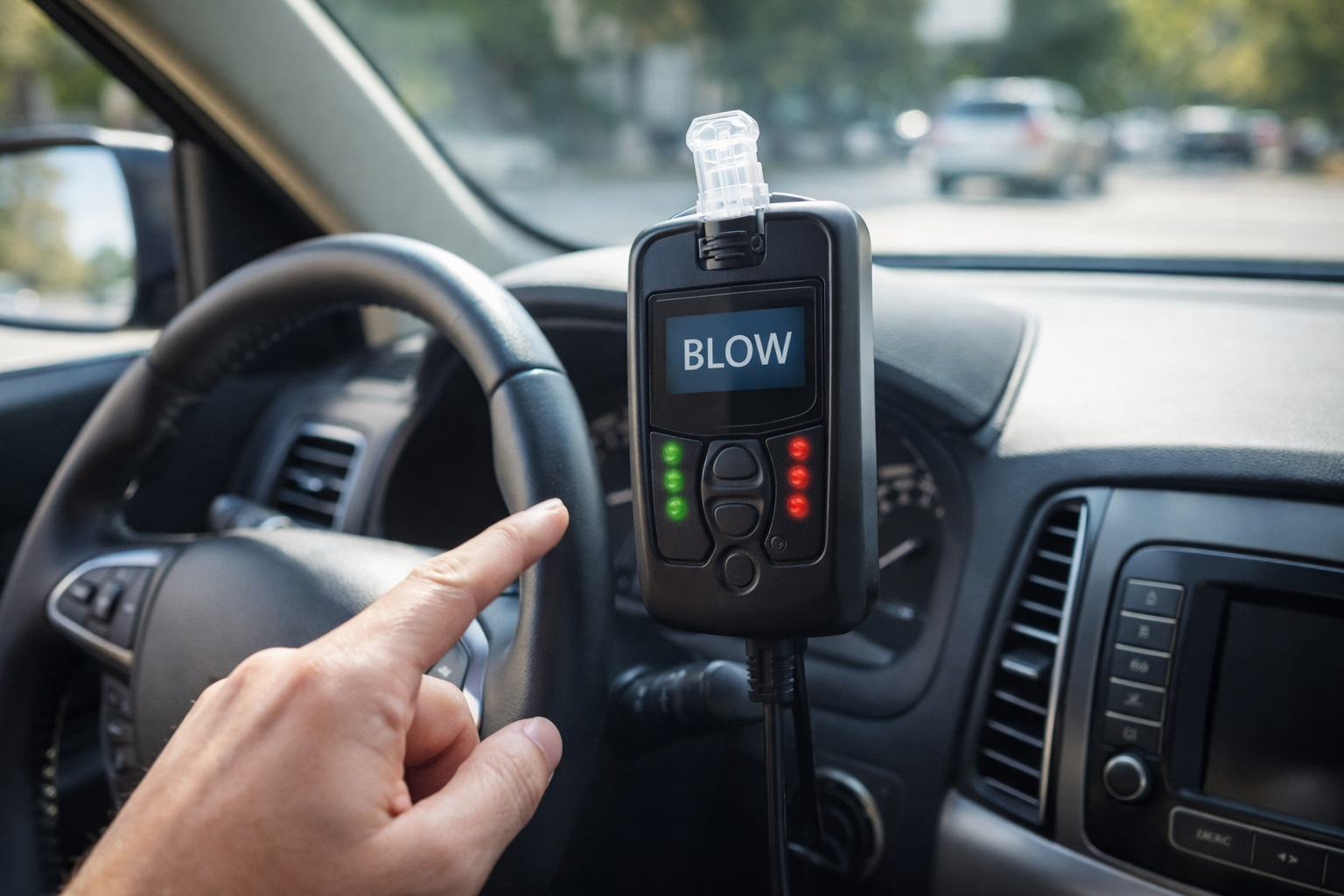
Driving under the influence continues to present a major risk on public roads, causing thousands of accidents and fatalities each year. To address this ongoing problem, ignition interlock devices have been introduced across many states as an effective preventive strategy. These devices not only help stop impaired drivers but also play an often-overlooked role: helping individuals regain their confidence on the road. The installation of an Ignition Interlock Device is a tangible step toward safer driving habits and steady self-assurance for those who have faced DUI charges.
Ignition interlock technology goes beyond legal compliance; it instills daily accountability and encourages responsible choices. With restored driving privileges, individuals can rebuild trust and independence. By regularly passing the device’s breath test, drivers begin to believe in their ability to make positive decisions, fostering a greater sense of control and reliability.
This positive shift impacts both private and professional spheres. Those returning to work or family life after a DUI often face skepticism, but the ongoing use of interlock devices can visibly demonstrate commitment to change. Over time, these small victories add up, laying the groundwork for renewed trust and confidence.
For anyone seeking a more comprehensive solution and reliable product options, the car breathalyzer selection offers effective tools that address impaired driving with ease and accuracy.
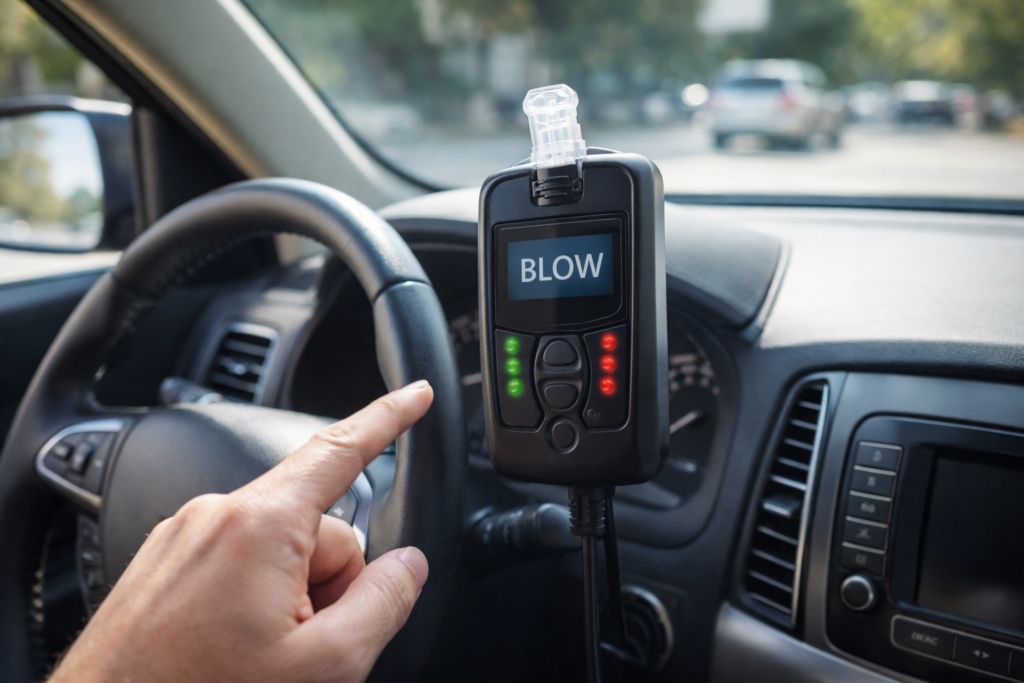
Table of Contents
Understanding Ignition Interlock Devices
An ignition interlock device operates as an in-car breathalyzer attached to the vehicle’s ignition system. Before the car can be started, the driver must blow into a mouthpiece, and the device measures blood alcohol concentration (BAC). If the reading is above the programmed limit, the engine remains locked, preventing the driver from operating the vehicle. This straightforward mechanism safeguards not only the individual but also everyone sharing the road with them.
Today’s devices are engineered to be discreet and user-friendly. Advances in technology have made them more accurate, less intrusive, and quicker to use. These improvements address lingering concerns and encourage consistent, proper use among drivers who may still feel apprehensive or embarrassed.
Enhancing Driver Accountability
Regular use of an ignition interlock device compels a driver to remain mindful and responsible before each trip. Knowing that the ignition requires a clean breath sample prompts individuals to plan ahead, whether it means declining a drink or arranging alternative transportation. This accountability carries over into daily routines, reinforcing good decision-making habits well beyond the duration of device use.
While many drivers are initially skeptical about how much these devices influence behavior, research supports their effectiveness. The National Highway Traffic Safety Administration highlights how interlock programs reduce incidences of repeat DUI offenses and support meaningful behavioral change. With every safe trip, drivers experience firsthand the rewards of responsibility and personal control.
Reducing Recidivism Rates
Ignition interlock devices are not just preventive technology; they have a proven record of lowering repeat DUI offenses. According to the Centers for Disease Control and Prevention, states that require these devices for all convicted drunk drivers have seen significant declines in reoffending. By physically preventing impaired driving, these systems bridge the gap between legal consequences and behavioral change, helping to break the cycle of risky conduct.
Integrating ignition interlocks with court-ordered treatment programs or probation conditions further enhances their impact. Individuals become aware that responsible actions are monitored and supported, offering additional motivation to make lasting changes.
Building Trust with Family and Employers
After a DUI conviction, regaining the trust of relatives, friends, and employers can seem daunting. The visible presence of an interlock device and the routine demonstration of sobriety offer constant reassurance to those who may be concerned about a relapse. For some families, knowing that a loved one is driving only after passing a breath test helps relieve anxiety and supports healing.
Employers, too, benefit from this transparency. Workers who consistently fulfill their obligations by using an interlock device demonstrate reliability and a genuine intent to turn their situation around. Over time, these positive actions replace doubt with confidence and respect, clearing the way for personal and professional redemption.
Addressing Common Misconceptions
Despite growing evidence of their value, myths about ignition interlock devices remain. Some believe the devices are too intrusive, unreliable, or could harm a vehicle’s electrical system. In reality, devices used today are rigorously tested for accuracy and safety. According to the National Highway Traffic Safety Administration, design improvements over the past decade have led to better performance, easier maintenance, and much less inconvenience for the average user.
It is also important to note that modern ignition interlocks feature tamper-detection systems and are generally supported by customer service resources, easing drivers’ concerns and simplifying any technical troubleshooting along the way.
Legal and Financial Considerations
The cost of installing and operating an ignition interlock device varies, but it is modest compared to the risks and expenses associated with repeat DUI offenses. Many states recognize affordability as a barrier and provide financial aid to qualifying participants. Choosing to comply with interlock requirements typically means retaining your driving privileges, avoiding escalated fines, and reducing the legal complexity of post-conviction life. For a broad overview of program benefits and regulations, drivers can consult official resources such as the National Highway Traffic Safety Administration.
Conclusion
Ignition interlock devices go beyond meeting legal mandates; they empower individuals to rebuild confidence behind the wheel. They promote public safety, encourage positive change, and allow drivers to prove, each day, their commitment to responsible decisions and renewed independence. By providing accountability and assurance, these devices help individuals restore relationships, keep jobs, and pave the way toward a safer driving environment for everyone.