
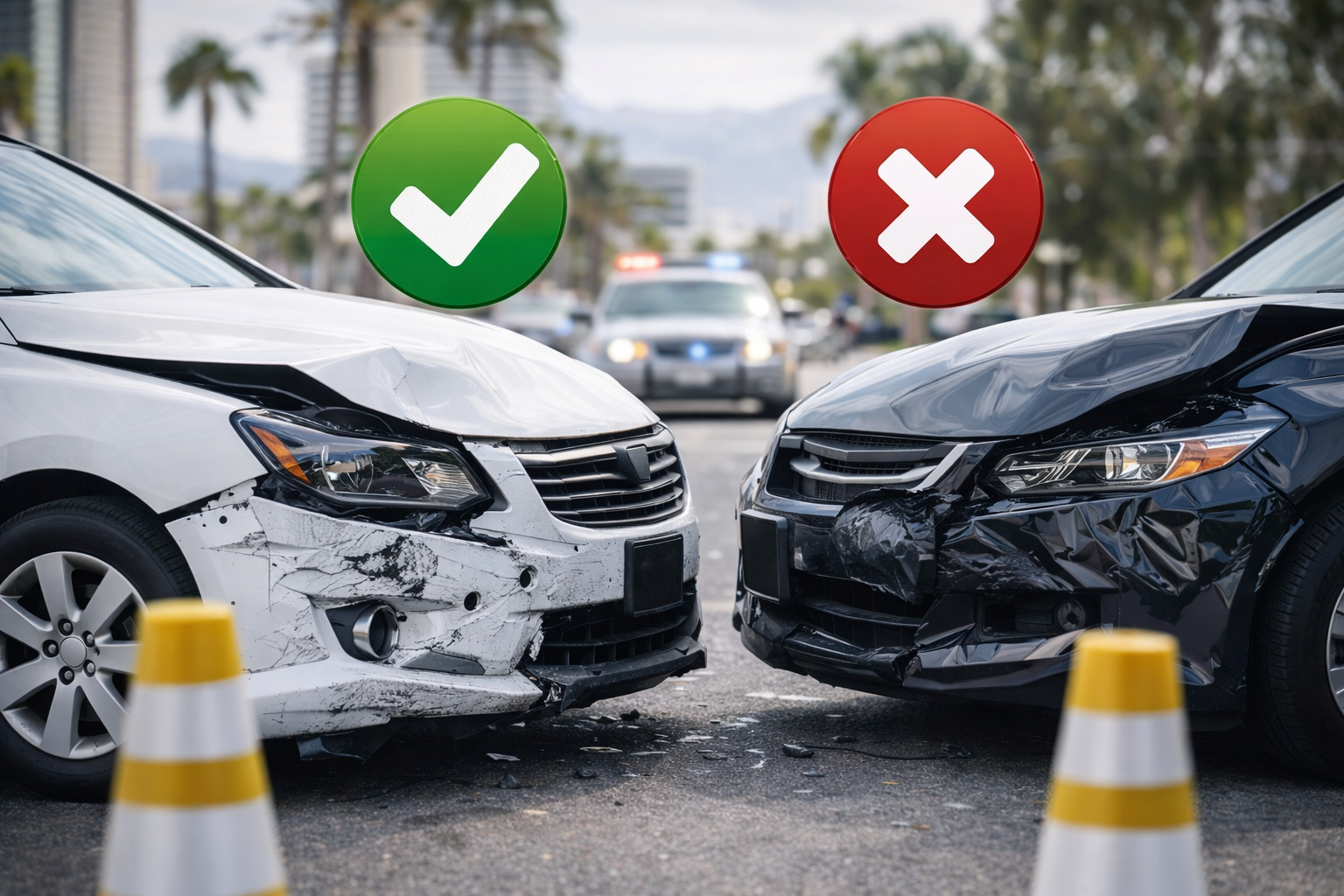
Car accidents are not always straightforward, especially when more than one driver’s behavior may have contributed to the collision. In Nevada, it is entirely possible for both drivers to be found at fault for a single accident. The intricacies of Nevada law, combined with the often-complicated facts on the ground in each crash, mean determining responsibility is not always black and white. Anyone involved in a collision should understand how shared fault is assessed, as it dramatically affects the compensation, if any, that drivers may receive. For a deeper dive into the rules and implications, review Brian Boyer Injury Lawyer’s explanation of shared fault accidents.
Nevada’s system takes into account when both drivers are at fault in a wreck. From legal standards to insurance procedures, the outcome of a crash in which liability may be shared can feel intimidating to those unfamiliar with state regulations. Knowing your rights and obligations can help you navigate the aftermath with confidence and ensure you protect your interests.
Table of Contents
Shared fault situations can arise in a number of ways on Nevada’s roads. Common instances include drivers failing to obey traffic signals, making abrupt lane changes, or failing to yield the right of way. Distracted driving or driving at inappropriate speeds are other everyday faults that can be shared among multiple motorists in a crash. In these cases, law enforcement and insurance companies will each conduct separate investigations to determine the percentage of fault that each party should bear.
Because Nevada allows comparative negligence, shared responsibility is not just a possibility; it is often the reality in multi-car collisions. When actions by each party contributed to the accident outcome, establishing fault becomes a matter of gathering details and building a persuasive narrative using available evidence. For an overview of how comparative negligence works across different states, you can review coverage from the NOLO Legal Encyclopedia.
Nevada Comparative Negligence Laws
Nevada has adopted the modified comparative negligence legal standard. Under NRS 41.141, you are entitled to compensation only if you are less than 51 percent responsible for the crash. That means if a jury finds you and the other driver each 50 percent at fault, you may each recover damages from the other, but your award will be reduced based on your percentage of fault. However, if you are found 51 percent or more at fault, you cannot recover any damages from the other driver, no matter how severe your losses. This system incentivizes fairness but also raises the stakes for defending your version of events.
How Fault Impacts Your Insurance Claim
Insurance companies in Nevada will carefully analyze police reports, witness statements, visual evidence, and even traffic camera footage to assign fault. Your financial recovery for repairs, medical bills, and other damages depends on your assigned percentage of fault. If you are 30 percent at fault, for example, your eventual financial award from the other party’s insurer would be reduced by 30 percent. Understanding this mechanism is vital if you wish to maximize your eventual settlement or court victory. Insurers may attempt to minimize their liability by shifting as much blame as possible onto claimants, so prompt and comprehensive documentation is key.
Legal Strategies When Both Drivers Are At Fault
When both drivers share some portion of responsibility, strategic negotiation and proper documentation are crucial. Each party needs to gather and present clear evidence about their own actions and to potentially rebut the other side’s version of events. The comparative negligence statute makes personal injury cases more complex, so accident victims in Nevada often seek guidance from skilled attorneys to protect their interests and negotiate effectively with insurers.
Immediate Steps After an Accident
- Take clear photographs from multiple angles, showing traffic signals, street signage, and vehicle positions.
- Collect statements and contact information from witnesses who observed the incident.
- Cooperate fully with law enforcement and provide honest, concise statements without speculating on blame.
- Seek prompt medical attention, even for minor injuries, to create a contemporaneous record that can protect your claim later on.
- Notify your insurer promptly and begin collecting evidence, such as repair bills, medical invoices, and correspondence related to the accident.
- If you suspect shared fault or are facing resistance from the insurer, consult a Nevada injury attorney experienced in comparative negligence cases for guidance.
Conclusion
In Nevada, both drivers can be found at fault for a car accident, and how that fault is divided will significantly impact every aspect of the claims and recovery process. Familiarity with comparative negligence laws, diligent evidence collection, and proactive communication with your insurer all serve to protect your rights. In cases where liability appears to be shared, consider seeking professional legal counsel for guidance on preserving your claim and ensuring a fair outcome for all parties involved.