
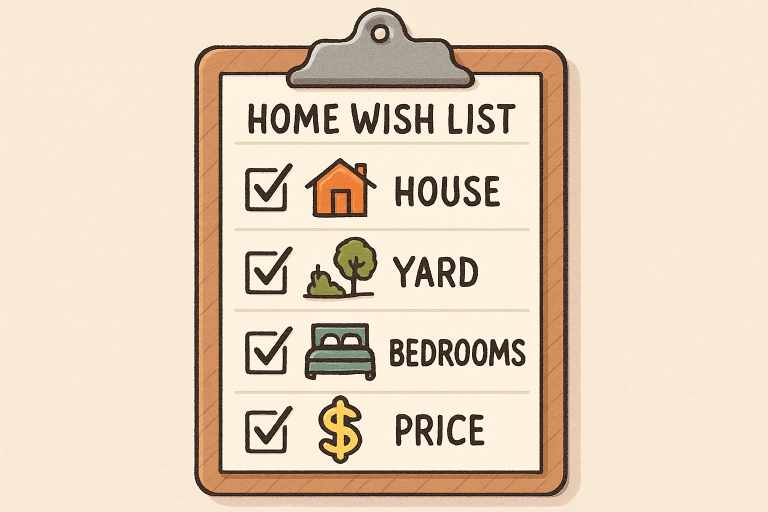
Finding your next home is a significant milestone, full of anticipation and numerous possibilities. This transition invites both excitement and a fair measure of stress as you reconsider your living circumstances. Whether you’re searching for a spacious family dwelling, a cozy retreat, or a luxurious escape near the beach, having a comprehensive home wish list in hand can simplify what is often an overwhelming process. The variety of choices available—such as exploring different neighborhoods, architectural styles, or special features in Naples FL homes for sale—can easily cause decision fatigue without a well-structured guide. By taking the time to put your priorities on paper, you can evaluate homes more objectively and ensure that the properties you visit genuinely fit your needs and aspirations. This wish list guides your home search, helping you avoid distractions and stay focused on your priorities to increase satisfaction. It highlights key features and prevents impulse decisions, ensuring each viewed home aligns with your needs and budget. Staying clear on must-haves versus nice-to-haves saves time and energy, making your search more effective.
Table of Contents
Assess Your Current Home
The first step in building your wish list is taking inventory of your present living space and evaluating both its strengths and its shortcomings. Pinpoint the elements that serve you well and those that cause frustration in your daily routine. Maybe you love your bright, open-concept kitchen where family and friends gather, but constantly find yourself longing for additional storage or a more functional laundry area tucked away from high-traffic zones. Perhaps a lack of natural light, awkward room flow, or insufficient outdoor space bothers you regularly. These everyday comforts and annoyances are valuable information that helps shape your search for a better fit. Take notes as you go through each room and ask yourself what you would change if you could, what you absolutely want to keep, and what you’re ready to leave behind. Noting these preferences makes it easier to identify what to seek—and what to avoid—in your next move, saving you time and disappointment as you narrow down your options.
Define Your Must-Haves
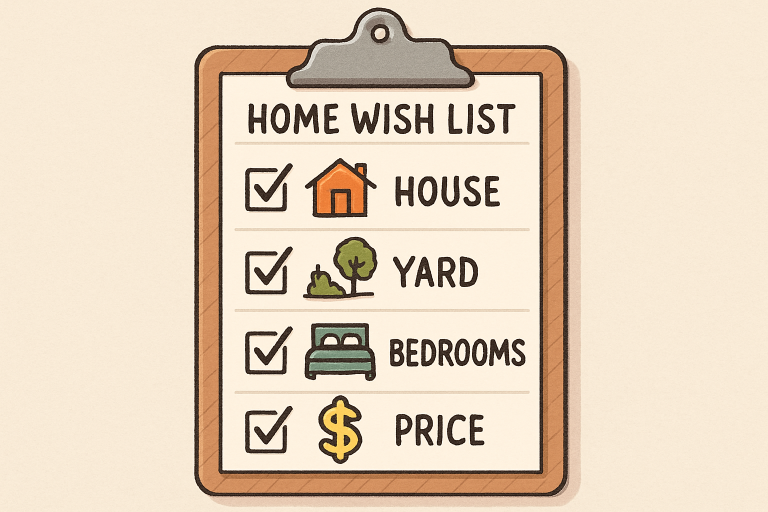
A successful wish list distinguishes between non-negotiables and nice-to-haves. Clarify the core features that will govern your search. For instance, you may require three bedrooms, a fenced-in yard for pets, or single-floor living for accessibility, depending on your lifestyle and household needs. Is an attached garage necessary for your family’s vehicles and storage, or are you open to creative alternatives? Would an extra living area, a chef’s kitchen, or a backyard pool be desirable upgrades you’d love but could live without? Prioritizing in this way brings clarity and keeps you from being sidetracked by unnecessary extras during showings and open houses. Armed with this prioritized list, you can make quicker, more confident decisions, which is especially useful in competitive markets where hesitation could mean losing out. Sharing this list with your agent ensures that new listings sent your way are already likely to meet your expectations, streamlining the search process even further.
Consider Future Needs
Anticipating future needs is critical for choosing a home you’ll love both today and years from now. If you expect to welcome more children, relatives, or visitors, space for a nursery, guest suites, or flexible common areas could be important. Even if your family situation is stable, future-proofing your investment with adaptable spaces can add significant value. Growing trends in remote work and hybrid learning make dedicated office spaces or extra rooms that can change purpose over time more valuable than ever. The ability to convert a den into a classroom or a playroom into a home office provides adaptability as circumstances change. The Time Guide to Buying Your First Home offers additional insight into future planning and evaluating market conditions, which can further guide you to make prudent, forward-thinking decisions. Think, too, about accessibility—single-floor homes, wide doorways, or the ability to install ramps could be essential if you plan to age in place or accommodate loved ones with mobility needs.
Location Preferences
Where you live often outweighs the specifics of your home itself. Neighborhoods differ vastly in amenities, commute times, school quality, safety, and walkability. Research local communities by exploring not only data online but by visiting them at various times of the day and week to get a genuine feel for their atmosphere and lifestyle offerings. Speak with potential neighbors if possible—people who live there can share real insight into what it’s like to be part of the community. Factors such as proximity to parks and green spaces for recreation, healthcare facilities, shopping, and easy access to major roads should always inform your decision. Consider the plans for the area as well, like zoning changes or development projects that could impact the neighborhood’s character. A thorough location search ensures the daily demands of life fit comfortably with your long-term aspirations, making it easier to settle in and thrive within your new surroundings.
Budget Realities
Home wish lists and budgets need to align for your search to be successful and sustainable. Start by evaluating your financial situation clearly, including your available savings, ongoing income, and foreseeable major expenses outside the mortgage. Naturally, purchase price is just the beginning—also account for closing costs, home insurance, property taxes, and anticipated long-term maintenance or upgrades. Unexpected repairs, assessments, and utilities can quickly add up, especially in older or larger homes. Utilize online affordability calculators and consult reputable resources to help set appropriate boundaries and keep expectations realistic throughout your search. Having a clear understanding of your true financial capacity helps avoid heartbreak and wasted efforts on homes that stretch you too thin. Sticking to a disciplined budget not only secures your peace of mind but also allows you to enjoy homeownership without unnecessary financial strain.
Stay Flexible
Adaptability can open doors to possibilities you may not have originally considered. While it’s important to honor your top priorities, the perfect home may require a bit of compromise—especially around cosmetic details, the age of the house, or minor location adjustments. Sometimes, being open to homes that need modest updates or are in up-and-coming neighborhoods can net you added value and a space you can truly make your own. Features such as smart storage solutions, a versatile layout, or the potential for future renovations or expansions could make a near-perfect match even better over time. Remember that paint and fixtures are easy to change, but structural issues or restrictive locations are tougher to fix. Flexibility also helps prevent frustration and keeps your search positive, so you don’t miss out on hidden gems that deserve a second look.
Consult Professionals
TEAM up with experienced real estate agents, mortgage brokers, and home inspectors from the very beginning of your journey. Qualified professionals bring insight into evolving market trends, hidden costs, negotiation strategies, and emerging neighborhoods. Their expertise and access to current listings take much of the guesswork out of the process, and they’ll also help you refine your wish list so your must-haves fit seamlessly with both your lifestyle and your budget. Whether you’re concerned about home inspections, contract terms, or zoning issues, your professional team can guide you to properties that match your overall vision and needs, while alerting you early to potential red flags. Working with pros not only maximizes your chances of landing the right home but also makes the process less stressful and more enjoyable from start to finish.
Conclusion
Creating a thoughtful and organized home wish list transforms an overwhelming home search into a focused, rewarding journey. It brings your priorities into sharp focus, helps you make more informed and confident decisions, and accelerates your path to a fulfilling next chapter. By carefully considering your current needs, planning for the future, balancing your dreams with financial practicality, and staying open-minded, you can turn your wish list into the blueprint for the perfect home. Whether you dream of sunlit coastal retreats, a bustling family oasis, or a chic urban pad, your wish list is the key to unlocking the door of a home you’ll cherish for years to come.