
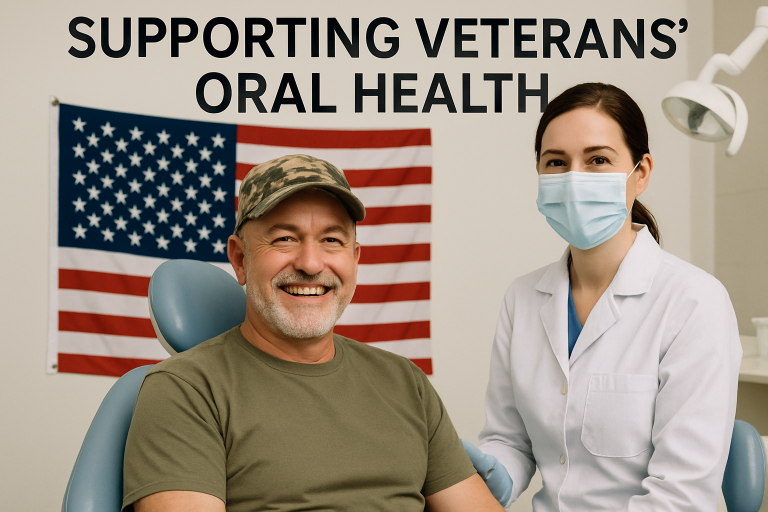
Access to dental care is a vital component of comprehensive health, yet many U.S. veterans struggle to get the dental services they need. Proactive knowledge can empower veterans to make informed decisions, and resources like dental insurance for vets can help bridge the gap when federal programs fall short. Dental health affects not only eating and appearance but also systemic conditions like heart disease and diabetes, making it especially important for veterans who may already face unique health challenges.
Despite the best efforts of the U.S. Department of Veterans Affairs (VA), dental benefits remain restricted by eligibility criteria, leaving fewer than one in five veterans who use VA health care facilities eligible for comprehensive dental care. This barrier to care has led to significant oral health disparities. Nonetheless, developments in recent legislation, additional insurance options, state initiatives, and nonprofit programs have expanded support for those previously left out.
Many veterans and their families want a simple guide to navigating current dental benefit options, including who qualifies, how to apply, and where to find additional support. Below, you’ll find detailed information to help veterans access dental services, apply for evolving benefits, and connect with organizations working to close the dental care gap.
Table of Contents
- 1 Current Dental Benefits for Veterans
- 2 Eligibility Criteria for VA Dental Care
- 3 VA Dental Insurance Program (VADIP)
- 4 Recent Legislative Developments
- 5 State Initiatives to Improve Dental Care Access
- 6 Nonprofit Organizations Supporting Veterans’ Oral Health
- 7 How to Apply for Dental Benefits
- 8 Conclusion
Current Dental Benefits for Veterans
The Department of Veterans Affairs provides extensive medical services to veterans, yet its dental coverage remains narrowly limited. Currently, only about 15% of nearly nine million enrolled veterans qualify for free VA dental care, leaving the vast majority to shoulder significant out-of-pocket expenses or skip necessary dental visits entirely. This lack of access can worsen oral health, contributing to cavities, gum disease, and complications linked to chronic conditions such as diabetes and heart disease. Recognizing the profound health implications, lawmakers and veterans’ advocacy organizations are increasingly pushing for expanded dental benefits, aiming to ensure that all veterans receive the oral care they need and deserve.
Eligibility Criteria for VA Dental Care
Eligibility for VA-provided dental care hinges on strict requirements. Veterans may qualify if they:
- Have a service-connected dental disability or condition
- Are former prisoners of war
- Hold a service-connected disability rating of 100%
- Are actively participating in a VA vocational rehabilitation program
If you don’t meet these conditions, you are not eligible for free VA dental services and must look for alternative programs or insurance plans.
VA Dental Insurance Program (VADIP)
For the vast majority of veterans who don’t qualify for complimentary VA dental care, the VA offers the Dental Insurance Program (VADIP). VADIP enables veterans and certain family members to purchase dental insurance at rates lower than most commercial insurers. Services covered range from preventive and diagnostic visits to more extensive restorative procedures. The program is administered by private insurance companies and provides several plan types to accommodate varying needs and budgets. Learn more about how VADIP works by reviewing coverage descriptions on the VA’s official website: VA Dental Insurance Program (VADIP).
Recent Legislative Developments
The landscape of veterans’ health services is shifting fast due to legislative action. The Senator Elizabeth Dole 21st Century Veterans Healthcare and Benefits Improvement Act, enacted in January 2025, has been a pivotal step toward addressing systemic gaps in care. Although implementation is ongoing, this landmark law aims to modernize VA benefits and improve dental access, funding pilot programs and research to expand eligibility and coverage. For ongoing updates on legislative activity related to veterans’ health, consider resources on the VA’s official website, including the Elizabeth Dole 21st Century Veterans Healthcare and Benefits Improvement Act of 2025.
State Initiatives to Improve Dental Care Access
States are playing an increasingly active role in assisting veterans denied federal dental benefits. Florida recently launched the statewide Veterans Dental Program, coordinated by the Florida Veterans Foundation in April 2025. This initiative connects eligible veterans with free dental services, provided in collaboration with nonprofit dental clinics and local health partners. These programs typically have private insurance companies administer the program, including cleanings, fillings, and emergency dental work at no charge. Such state-level actions are being watched for potential adoption in other regions.
Nonprofit Organizations Supporting Veterans’ Oral Health
Nonprofit organizations have become essential for filling gaps left by federal and state programs. Delta Dental, in partnership with the Dental Lifeline Network, has created paths for thousands of veterans to receive no-cost dental care nationwide. Their efforts have translated to millions of dollars in donated dental services, annually improving oral and overall health for veterans most at risk. Many local charities and veteran-focused foundations provide a broad range of services, including outreach events, full-mouth restorations, and mobile dental clinics to reach underserved areas.
How to Apply for Dental Benefits
- Check your eligibility via your local VA medical center or the VA’s official website (see VA Dental Benefits for eligibility information).
- Investigate VADIP plan offerings and select coverage that fits your needs and budget.
- Research local and state-specific programs or nonprofit organizations that may provide dental services in your area if VA or VADIP is not a fit.
Many states and organizations keep updated lists of dental assistance programs, so do not hesitate to reach out to your state veterans’ affairs office for support.
Conclusion
Dental health plays a critical role in overall well-being, influencing nutrition, confidence, and long-term quality of life. Unfortunately, many veterans still encounter obstacles in accessing timely, affordable dental care, leaving essential needs unmet. Federal programs, state initiatives, and nonprofit organizations are increasingly working together to expand coverage, streamline services, and remove barriers, ensuring veterans receive the care they deserve. By staying informed about eligibility requirements, evolving benefits, and local community resources, veterans and their families can navigate the system more effectively. Proactively leveraging these opportunities empowers veterans to maintain oral health, prevent complications, and enjoy a healthier, more fulfilling life.