
Table of Contents
Understanding Allied Healthcare
Allied healthcare refers to a broad group of health professionals who are not doctors, nurses, or dentists but deliver essential services in modern healthcare settings. These professionals focus on the identification, evaluation, and prevention of diseases and disorders, as well as direct patient care and rehabilitation interventions. Because allied health professionals are often on the frontline—assisting with therapies, diagnostics, and recovery—their expertise is central to a team-based approach in medical settings. Understanding the scope of these roles is also crucial for those managing allied health professional liability, ensuring both patient safety and practitioner protection.
As the healthcare sector evolves, allied health continues to expand to meet the needs of diverse patient populations. Whether in acute hospital environments, outpatient clinics, or home-based care, allied health professionals significantly enhance healthcare delivery and patient outcomes. Their unique skill sets and multidisciplinary collaboration help create holistic care plans tailored to individual patient needs.
In addition to hands-on care, allied health includes roles in health education, laboratory analysis, and medical imaging. This diversity means that allied healthcare presents extensive career options and pathways for growth, irrespective of the setting or patient demographic.
Increasingly, allied health professionals are recognized for their part in improving public health outcomes, optimizing healthcare resources, and augmenting interdisciplinary care. The World Health Organization acknowledges its central role in addressing global health challenges, particularly as populations age and chronic health conditions become more prevalent.
Categories of Allied Health Professions
Allied health professions fall into two core categories, each with distinct responsibilities and educational requirements:
- Technicians/Assistants: Professionals in these roles generally provide direct, supervised support to more highly educated technologists or therapists. Common examples include medical laboratory technicians, pharmacy assistants, and physical therapy aides. Their primary responsibility is to follow established procedures, record patient information, and ensure the smooth operation of clinical services.
- Therapists/Technologists: These allied health roles require a higher level of education and often involve autonomous clinical work. They are responsible for diagnosing, treating, and managing patient care. Examples include occupational therapists, speech-language pathologists, and radiologic technologists—each bringing specialized expertise to healthcare teams.
Common Allied Health Professions
The wide variety of allied health careers offers opportunities to specialize based on individual interests and skills. Some of the most prominent allied health professions include:
- Medical Assistants: Balance administrative and clinical responsibilities in physician offices and clinics, supporting workflow efficiency and patient experience.
- Physical Therapists: Help patients restore movement and manage pain after injuries or chronic conditions, often playing a key role in post-surgical recovery.
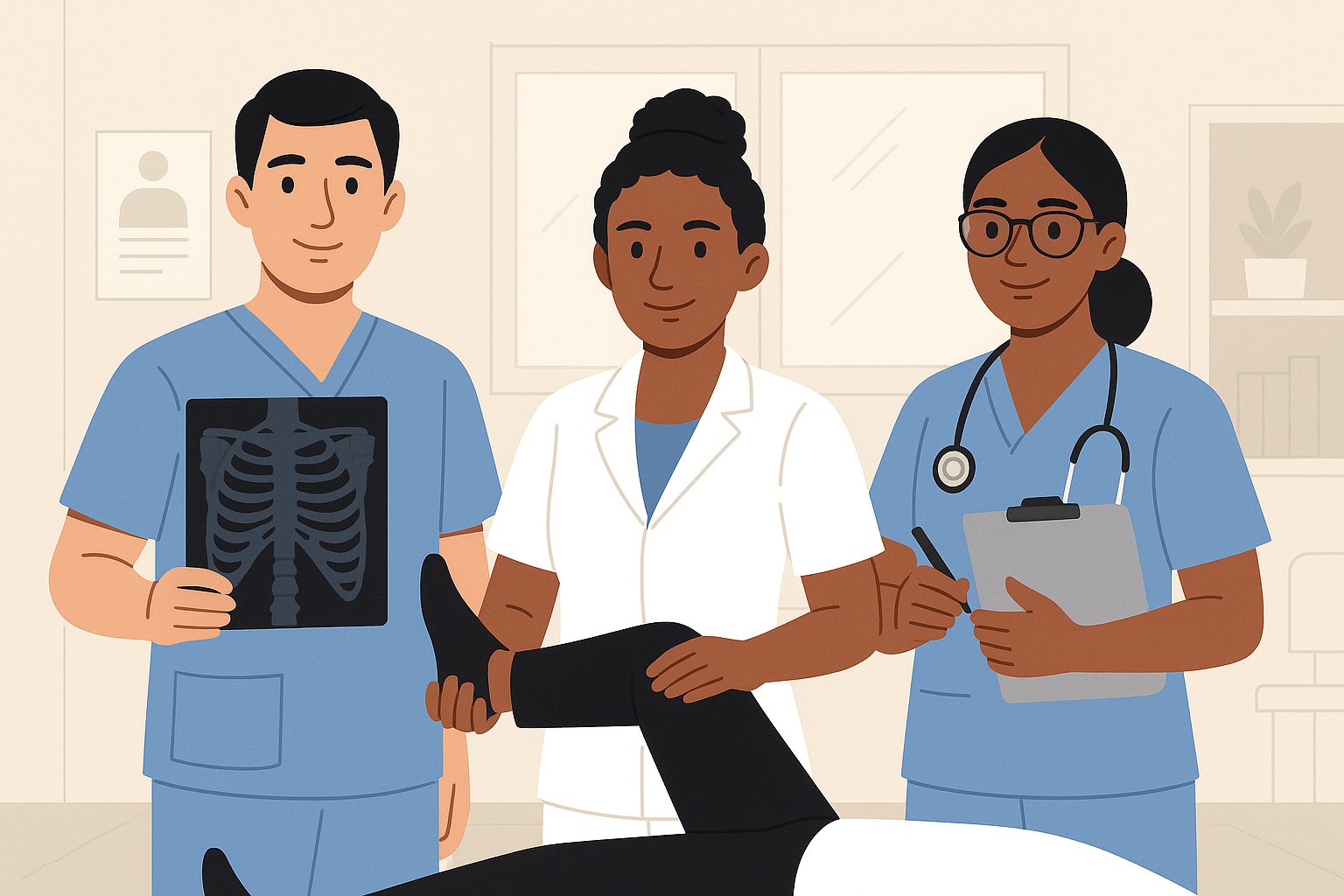
- Radiologic Technologists: Operate X-ray, MRI, CT, and other imaging equipment to help diagnose illnesses and injuries.
- Respiratory Therapists: Diagnose and treat patients with breathing or cardiopulmonary disorders, a critical function especially highlighted in acute care and ICU settings.
- Occupational Therapists: Work with patients to develop, recover, or maintain daily living and work skills, supporting independence and quality of life.
Educational Pathways and Certification
The educational journey for allied health careers ranges from post-secondary certificates and associate degrees to bachelor’s and even master’s programs. While entry-level technician or assistant positions may require only a year or two of formal training, advanced roles like occupational therapy or clinical laboratory science demand more comprehensive education and clinical experience.
Most allied health professions also require certification or licensure. Many certifications are provided through organizations such as the National Healthcareer Association (NHA) or the American Registry of Radiologic Technologists (ARRT), which ensure that professionals meet established industry competency standards. State licensing boards regulate practice in many disciplines, emphasizing continued professional development and ethical patient care.
Work Environments
Allied health professionals work in a diverse array of locations, catering to unique patient populations and medical needs. These include:
- Hospitals and acute care settings
- Outpatient clinics and physician offices
- Rehabilitation and long-term care facilities
- Community and public health organizations
- Schools, universities, and research institutions
- Patients’ homes through home healthcare programs
This breadth of settings allows allied health professionals to serve at every point of the care continuum—from prevention and early intervention to ongoing rehabilitation and chronic disease management.
Demand and Job Outlook
The demand for allied health professionals is expected to increase substantially over the next decade. According to the U.S. Bureau of Labor Statistics, employment of healthcare practitioners and technical occupations is projected to grow much faster than the average for all occupations, with millions of new roles expected to emerge by 2029.
The aging population drives this upward trend, expanded health insurance coverage, and a growing demand for preventive and outpatient care. As healthcare delivery shifts toward multidisciplinary, patient-centered models, allied health professionals are at the heart of this transformation.
Challenges and Considerations
Despite strong career prospects, allied health faces ongoing challenges, including workforce shortages, inconsistent recognition, and a need for greater career advancement opportunities. Employers and policymakers must work together to support professional development, address burnout, and ensure equitable access to certification and licensure.
Final Thoughts
Allied healthcare professionals are indispensable to modern medicine, providing essential services that span prevention, diagnosis, treatment, and rehabilitation. As healthcare continues to evolve and expand, the roles, recognition, and support structures for the allied health workforce will be more essential than ever. For aspiring professionals or those exploring a new career path, understanding the educational requirements, job outlook, and sector challenges can make all the difference in building a successful, rewarding future in allied healthcare.