
Wildlife plays an important role in the environment, but certain animals can create hazards when they move too close to homes. Some dig under foundations, others chew wiring, and many leave behind damage that becomes expensive to repair. Understanding how to recognize early signs of unwanted wildlife activity helps you protect your property and respond before a small issue becomes a major problem.
When homeowners stay observant and learn to spot patterns, they prevent structural wear, contamination risks, and long-term infestations. The following tips explain how to identify animals that may threaten your property and what signs to watch for throughout the year.
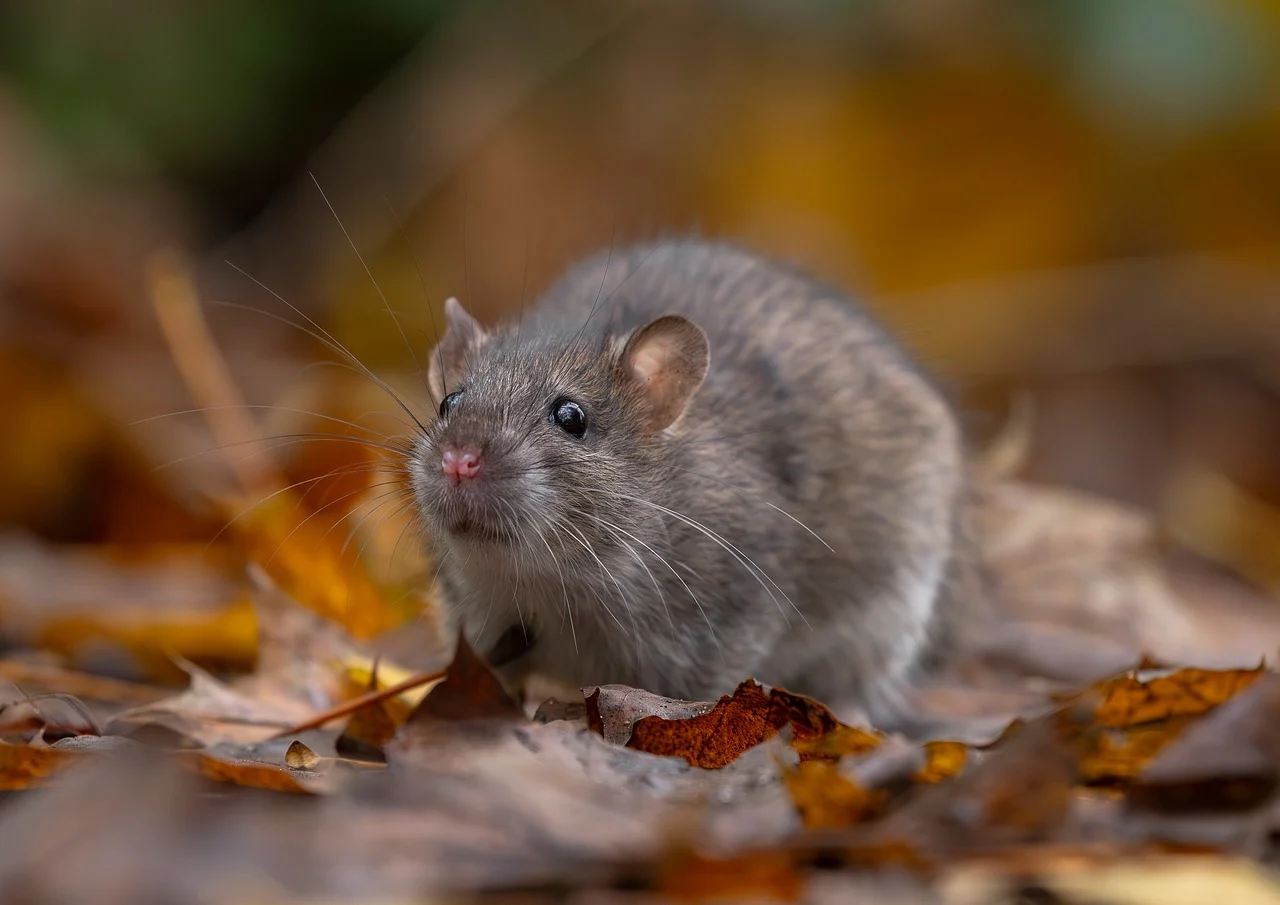
Table of Contents
- 1 Spotting Early Indicators of Rodents, Squirrels, and Other Small Pests
- 2 Recognizing Signs of Burrowing Animals Near the Foundation
- 3 Identifying Nesting Activity in Rooflines and Attics
- 4 Watching for Damage to Plants, Gardens, and Outdoor Structures
- 5 Checking for Tracks, Scents, and Trails Around the Property
- 6 Listening for Sounds That Suggest Hidden Animal Activity
Spotting Early Indicators of Rodents, Squirrels, and Other Small Pests
Small animals often leave subtle clues long before they are seen in person. Droppings, bite marks, and shredded materials signal that rodents or other pests have moved too close. Squirrels, for example, frequently chew through insulation or build nests inside attics. When these signs appear, many homeowners consider squirrel control in Minneapolis or seek help from nearby wildlife specialists to stop the issue before it worsens.. Early identification prevents these animals from causing costly issues with wiring, wood framing, or stored belongings.
Unusual noises are another strong indicator. Scratching inside walls, rustling in the attic, or rapid scurrying near vents often means animals have entered the home. Squirrels and rodents widen entry points, allowing even more wildlife to move inside. Addressing the issue promptly helps maintain home safety.
Watching for changes near exterior areas also provides clues. Chewed fencing, disturbed mulch, or damaged garden beds often point to small animals exploring for food or shelter.
Recognizing Signs of Burrowing Animals Near the Foundation
Certain animals prefer to live underground. Moles, groundhogs, voles, and chipmunks often dig tunnels near the foundation, garden, or yard edges. Fresh soil mounds, raised lawn ridges, and loose dirt around sidewalks indicate burrowing activity. While these animals may seem harmless, their tunnels weaken soil stability and can eventually affect structural integrity.
Burrowing creatures disrupt root systems and damage landscaping. When tunnels extend toward sheds or garages, moisture problems may follow. Recognizing these signs early helps prevent erosion, collapse, or water redirection that harms the property.
Inspecting the perimeter of your home regularly keeps these early indicators from going unnoticed.
Identifying Nesting Activity in Rooflines and Attics
Roofs and attics offer warmth and shelter, making them attractive to birds, raccoons, bats, and squirrels. Nesting materials such as twigs, dried leaves, and shredded fabric often indicate that an animal has found an entry point. Small gaps near eaves, chimney bases, or loose shingles typically serve as access areas.
Once inside, nesting animals produce damage quickly. Urine and droppings create health risks, while constant movement disrupts insulation. Larger animals like raccoons may tear through ductwork or wiring. Observing unusual airflow, daylight through roof gaps, or strong odors suggests that immediate inspection is necessary.
Preventing access early reduces the risk of repair costs and protects your home from additional intrusions.
Watching for Damage to Plants, Gardens, and Outdoor Structures
Backyard activity reveals much about the wildlife nearby. Deer often leave behind stripped bark, nibbled shrubs, or trampled plants. Rabbits chew low vegetation, leaving clean-cut stems. Birds may dig through mulch searching for insects. Recognizing these signs helps homeowners identify which animals are active in their yard.
Damage to outdoor structures offers more clues. Scratch marks on decks, chew patterns on wooden posts, or disturbed trash cans often indicate raccoons or opossums. These animals search for food at night and leave behind scattered debris.
Monitoring garden beds, lawn edges, and outdoor bins gives homeowners consistent insight into nighttime wildlife behavior.
Checking for Tracks, Scents, and Trails Around the Property
Footprints, fur patches, and narrow trails across the lawn often reveal the presence of wildlife before damage becomes noticeable. Animals tend to follow the same paths as they move between shelter and food sources. Trampled grass or repeated muddy tracks show how frequently animals visit.
Stronger scents serve as another early indicator. Skunks, for example, leave behind a very recognizable odor even when not seen. Musky smells in corners of the yard or under decks may signal nesting animals.
Observing these patterns helps determine which species pose potential risks and which areas of the property they frequent most.
Listening for Sounds That Suggest Hidden Animal Activity
Sound travels easily through walls, ceilings, and crawl spaces. Tapping, gnawing, chirping, or fluttering noises can indicate an animal presence. These sounds often increase at night when many species become more active.
Different animals produce different sounds. Rodents create fast, repetitive movements. Birds may flap or scratch lightly. Larger mammals generate heavier thumps. Learning to identify these differences helps narrow down the potential issue.
Animals leave behind signs long before significant damage occurs. By observing your yard, home exterior, and interior spaces carefully, you can identify potential threats early and respond before issues escalate.
Understanding the behavior, patterns, and warning signs of wildlife helps you stay ahead of damage and maintain a safe property. With consistent attention and early intervention, your home remains protected, secure, and ready for every season.