
Table of Contents
Introduction to Craft Brewing
Craft brewing represents a captivating intersection where tradition meets innovation. Unlike mass-produced beers, craft brewers focus on quality, unique recipes, and local ingredients, infusing creativity into every batch. The process involves not only the application of scientific rigor but also an artisan’s touch, resulting in brews with remarkable diversity and character. Whether you are searching for your new favorite brewery near me or want to appreciate the nuanced process behind your next pint, understanding craft brewing deepens your enjoyment.
The craft brewing movement also fosters a strong sense of community. Local breweries serve as gathering places, helping to sustain local economies while offering distinct tasting experiences. These establishments are cultural hubs where tradition intertwines with experimentation, fueling a never-ending pursuit of the perfect pour.
As beer enthusiasts’ palates evolve, so too do the methods and ingredients that define the industry. The craft beer revolution demonstrates how science and artistry can collaborate, offering a range of styles from bold IPAs to delicate sours—all with a unique story behind each sip.
The Fundamental Ingredients
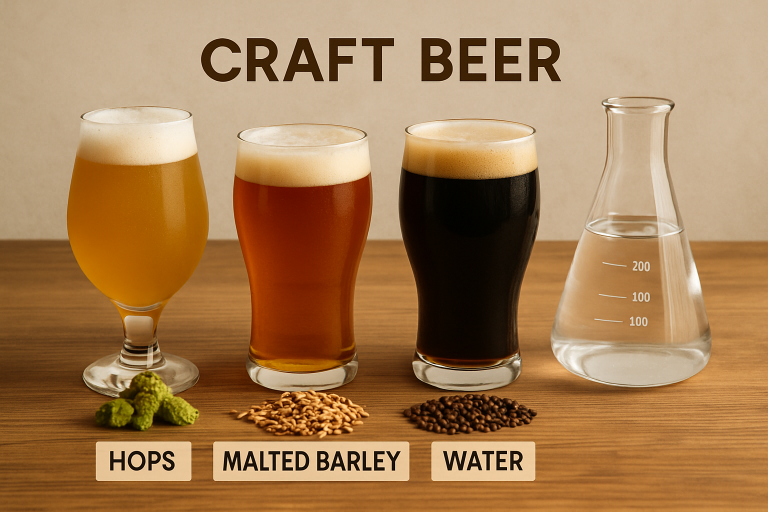
Every beer, no matter how complex, relies on four cornerstone ingredients:
- Water: Making up over 90% of beer, water’s chemistry dramatically alters the final taste and texture. Its natural mineral content can enhance specific beer styles.
- Malt: Most often sourced from barley, malt is the primary source of fermentable sugars, imparting color, sweetness, and body to the brew.
- Hops: These flavorful flowers balance the malt’s sweetness with bitterness, add aromatic qualities, and act as a preservative.
- Yeast: The fermentation powerhouse, yeast transforms sugar into alcohol and carbon dioxide, contributing unique flavor notes that range from fruity to spicy.
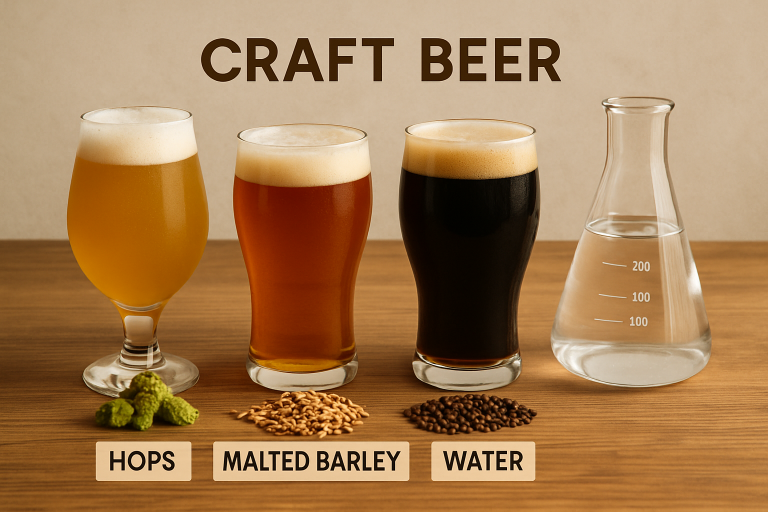
The flavor profile of a beer can be masterfully tailored depending on how these ingredients are sourced and combined.
The Brewing Process: A Step-by-Step Guide
- Mashing: Crushed malt mixes with hot water, converting starches into fermentable sugars through natural enzyme activity.
- Lautering: The wort—the sugary liquid—separates from grain husks for a clear extraction.
- Boiling: The wort is boiled, hops added in stages to create layers of bitterness and aroma while sanitizing the mixture.
- Cooling: Rapid cooling to yeast-friendly temperatures preserves flavor and prevents contamination.
- Fermentation: Yeast works its magic, converting sugars into alcohol and evolving flavors over several days or weeks.
- Conditioning: The beer matures in tanks or barrels, gaining complexity and carbonation.
- Packaging: Once matured, beer is packaged in kegs, bottles, or cans and prepared for enjoyment.
The Science of Flavor Development
Behind each glass is a symphony of chemical reactions. Tiny shifts in fermentation temperatures can yield massive changes in a beer’s aroma, producing anything from banana-like esters to spicy phenols, as covered in The New York Times feature on yeast-driven flavors. Exploring craft breweries near me reveals how these subtle variations come to life in different styles and batches, showcasing each brewer’s signature touch. Hop varietals, yeast strains, and the chosen malts all interact in complex ways, influencing bitterness, aroma, and finish. Brewers meticulously control these variables to craft beers that range from refreshingly crisp to robustly malty or tantalizingly sour.
Innovations in Brewing Techniques
New advancements are broadening the horizons for brewers. Controlled hydrodynamic cavitation, for example, offers a groundbreaking way to enhance brewing efficiency and boost flavor extraction without compromising beer quality. This method accelerates mashing and fermentation, enabling brewers to adapt to modern sustainability and production demands.
Artistic Expression in Craft Brewing
Science alone doesn’t define great beer: artistry gives each brew its soul. Brewers push boundaries by infusing beers with creative ingredients—think Persian ice cream-inspired lagers or green tea IPAs. The goal is not just to refresh but to inspire, surprise, and even tell a story through the glass. At acclaimed breweries across the country, no two releases are ever quite the same, capturing the evolving trends in craft beer and the ever-growing curiosity of consumers.
Challenges Facing the Craft Beer Industry
Despite its vibrancy, the craft beer world is not without its hurdles. Market saturation and the rise of alternative beverages have led to a recent 4% decline in U.S. production. Consumers have more choices than ever, so standing out requires continuous innovation and a deep understanding of community tastes. Brewers must adapt quickly—offering new styles, enhancing taproom experiences, and using sustainable practices to maintain relevance in an increasingly crowded field.
Final Thoughts
Craft brewing is as much a discipline as it is a celebration of creativity. Each pint reflects a careful orchestration of scientific precision, innovative thinking, and passionate artistry. Whether visiting a local taproom or discovering a new style, you’re tasting the culmination of continual evolution in one of the world’s most beloved beverages. The future of craft brewing lies in its ability to embrace both heritage and possibility, ensuring every brew tells a story worth savoring.